

Operation Process and Working Principle of White Clay Powder Pneumatic Conveying System
White clay powder pneumatic conveying systems are critical in industrial settings for efficiently transporting fine powders like white clay. These systems leverage air as the conveying medium, offering advantages such as reduced contamination, enhanced safety, and precise process control. Understanding the operation process and working principle of such systems is essential for optimizing performance and ensuring reliable material handling across various industries.
System Overview and Core Components
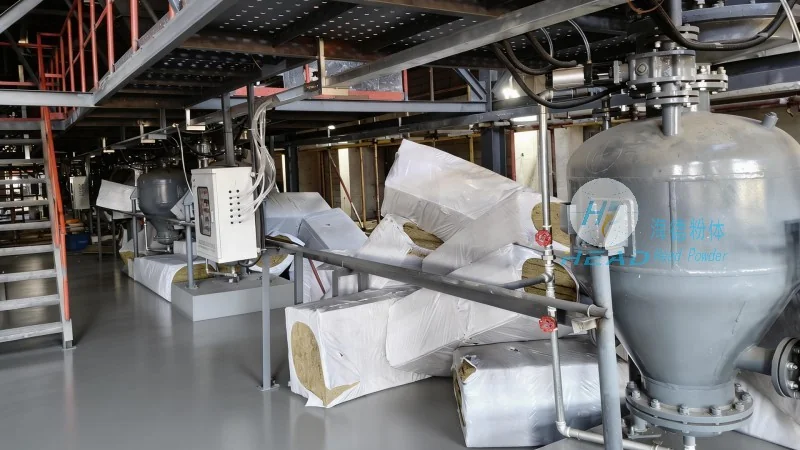
The white clay powder pneumatic conveying system typically comprises several key elements: a material hopper for storing the white clay powder, a feeder to regulate powder flow, a blower or compressor to generate air pressure or vacuum, a conveying line (usually made of stainless steel or corrosion-resistant materials), and a dust collector to capture airborne particles. The material hopper ensures a consistent supply of white clay, while the feeder (often a rotary valve or screw feeder) controls the feed rate to match system requirements. The blower or compressor creates the necessary air movement—either suction (vacuum) or pressure—to transport the powder through the line. The dust collector maintains air quality by capturing fine particles, preventing environmental contamination and ensuring system efficiency.
Step-by-Step Operation Process
The operation of the white clay powder pneumatic conveying system follows a sequential workflow. Initially, white clay powder is loaded into the material hopper. The feeder then regulates the flow rate, feeding the powder into the conveying line. The blower or compressor activates, creating a vacuum or pressure depending on the system design (suction or pressure type). As air flows through the line, it entrains the white clay particles, forming a slurry-like mixture that is transported to the destination. At the receiving end, a separator (e.g., a cyclone or baghouse) uses centrifugal force to separate the powder from the air. The white clay is discharged into a storage bin or processing equipment, while the air is either filtered and recirculated or vented, depending on design and environmental needs.
Working Principle: Physics of Particle Transport
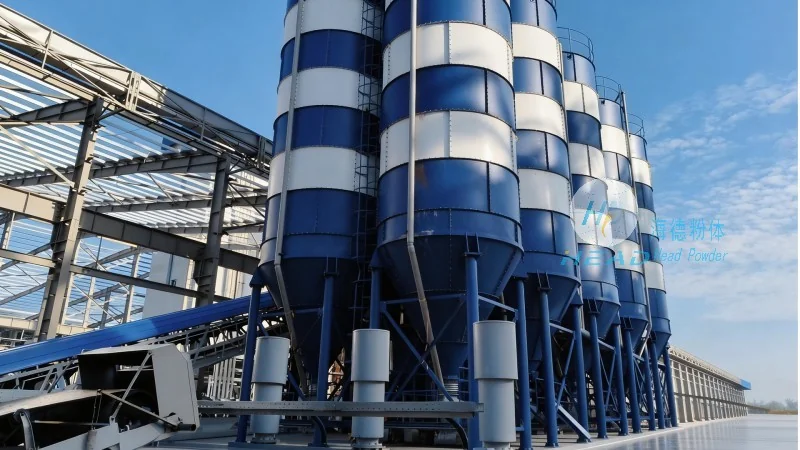
The working principle of the white clay powder pneumatic conveying system is rooted in fluid dynamics and particle mechanics. In a suction system, the blower generates a negative pressure (vacuum) that draws the white clay powder from the hopper into the line. The air velocity must exceed the minimum conveying velocity, which depends on factors like particle size, density, and moisture content—ensuring stable transport without particle deposition. In a pressure system, the blower supplies high-pressure air, pushing the powder forward. The system's design, including line diameter, length, and blower capacity, directly impacts efficiency. Key to success is maintaining air velocity above the threshold for the specific powder, preventing blockages and ensuring consistent flow.
Key Components and Their Functions
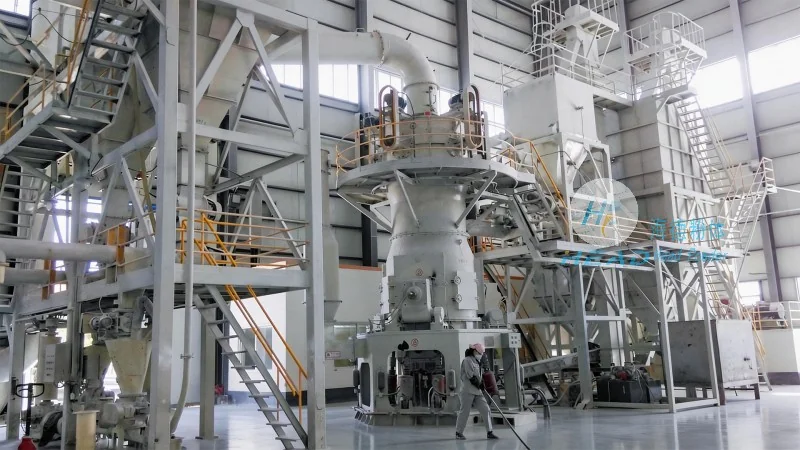
Several critical components ensure the system's reliability and performance. The material hopper provides storage and a controlled feeding mechanism, preventing overloading or underloading. The feeder (rotary valve or screw) regulates flow rate, maintaining consistent material delivery. The blower or compressor generates the necessary air pressure/vacuum, with adjustable capacity to match system demands. The conveying line, constructed from durable materials like stainless steel, minimizes friction and corrosion while withstanding operational pressures. The dust collector (baghouse or cyclone) captures fine particles, preserving air quality and preventing environmental impact. The separator at the receiving end uses centrifugal force to separate powder from air, ensuring clean discharge and preventing loss or contamination.
Benefits and Industrial Applications
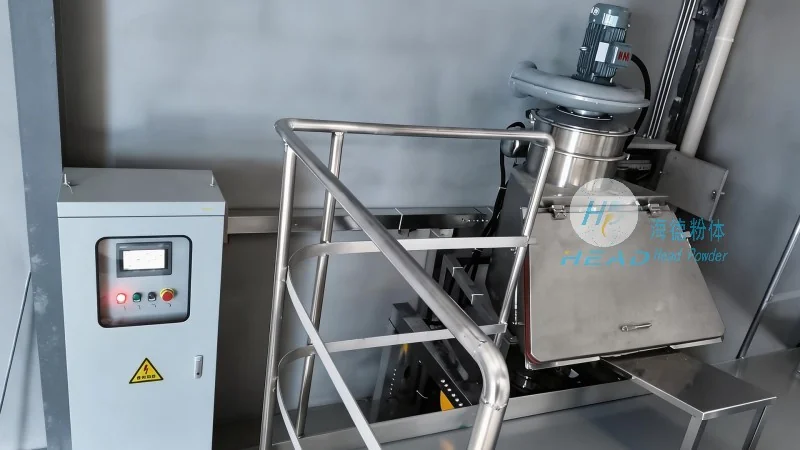
The white clay powder pneumatic conveying system offers significant advantages in industrial applications. It provides a hygienic, dust-free method of transporting white clay, which is vital in industries like pharmaceuticals, food processing, and cosmetics where contamination control is non-negotiable. The system enhances safety by eliminating manual handling of powders, reducing risks of dust explosions and respiratory hazards. Additionally, it enables precise process control, allowing accurate regulation of flow rate and pressure to maintain consistent product quality. The system is widely used in the white clay processing industry for moving raw materials from storage to processing equipment, as well as finished products to packaging or storage areas. It also supports applications in chemical, mining, and other sectors requiring efficient material transport.
About Shandong HeadPowder Engineering Co., Ltd.
Shandong HeadPowder Engineering Co., Ltd., operating under the brand name headpowder, is a leading manufacturer and supplier of pneumatic conveying systems and related equipment. Headquartered in Shandong, China, the company specializes in designing, manufacturing, and installing customized white clay powder pneumatic conveying systems tailored to client-specific needs. The company’s team of engineers and technicians leverages advanced technology and extensive experience to develop efficient, reliable systems that meet industry standards. Headpowder is committed to delivering high-quality products and exceptional customer service, ensuring clients receive durable, efficient, and cost-effective solutions. The company’s products are widely utilized in industries including chemical, food, pharmaceutical, and mining, where efficient material handling is critical to operational success.