

Operation Process and Working Principle of Automatic Waste Loading Powder Pneumatic Conveying System
For detailed information on the operation process and working principle of the automatic waste loading powder pneumatic conveying system, please refer to the following professional analysis. This system is a sophisticated piece of industrial equipment designed to efficiently handle the transport of bulk materials, particularly in waste management and powder processing applications.
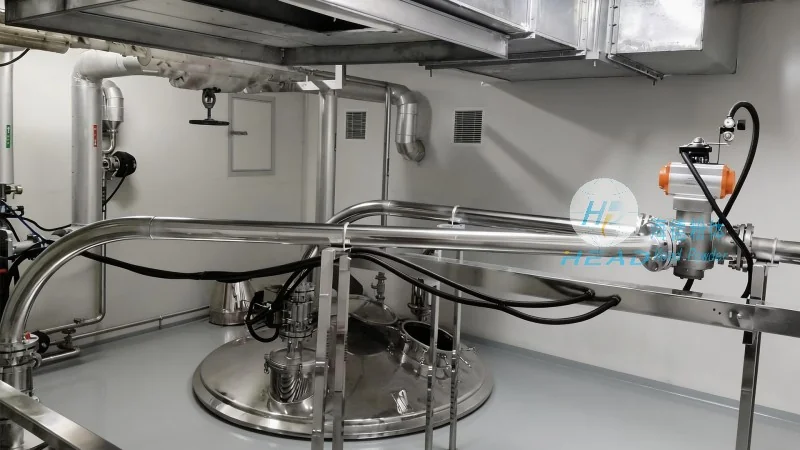
Company Profile: Shandong HeadPowder Engineering Co., Ltd.
HeadPowder, the manufacturer behind this advanced system, is a leading enterprise in the field of powder engineering and material handling solutions. With a strong focus on innovation and quality, the company has established itself as a trusted provider of industrial equipment for various sectors, including waste management, pharmaceuticals, and chemical processing. HeadPowder's commitment to excellence is reflected in the design and manufacturing of systems that meet stringent industry standards and customer requirements.
System Overview and Core Components
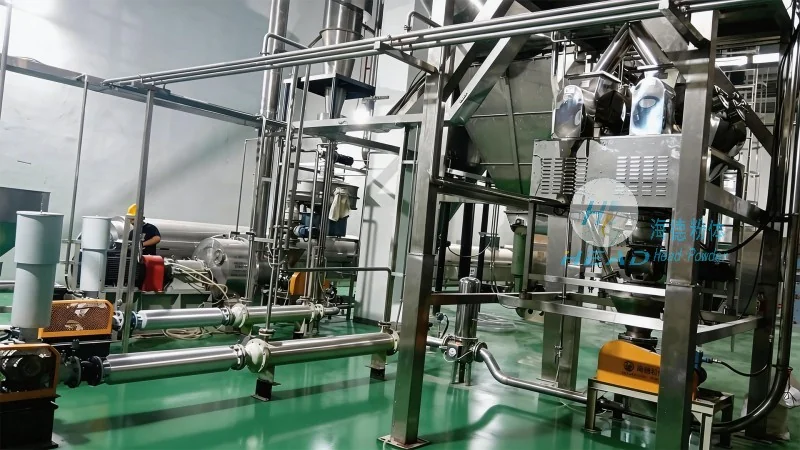
The automatic waste loading powder pneumatic conveying system is engineered to streamline the process of transporting bulk materials from a loading point to a processing or storage facility. The system typically consists of several key components, including a hopper for material storage, an air compressor to generate the necessary pressure for conveying, a pipeline network to transport the material, and a control system to manage the operation. The design ensures seamless integration and efficient material flow, minimizing downtime and maximizing productivity.
Working Principle of the Pneumatic Conveying Process
The core of the system operates on the principle of pneumatic conveying, which involves the use of compressed air to move bulk materials through a pipeline. When the system is activated, the air compressor generates high-pressure air that is directed into the pipeline. Simultaneously, the material is fed into the system, either through a hopper or a loading mechanism. The compressed air creates a flow that propels the material particles forward, allowing them to travel through the pipeline to the destination point. This method eliminates the need for mechanical components like belts or buckets, reducing maintenance requirements and enhancing safety.
Operation Process: From Waste Loading to Material Transport
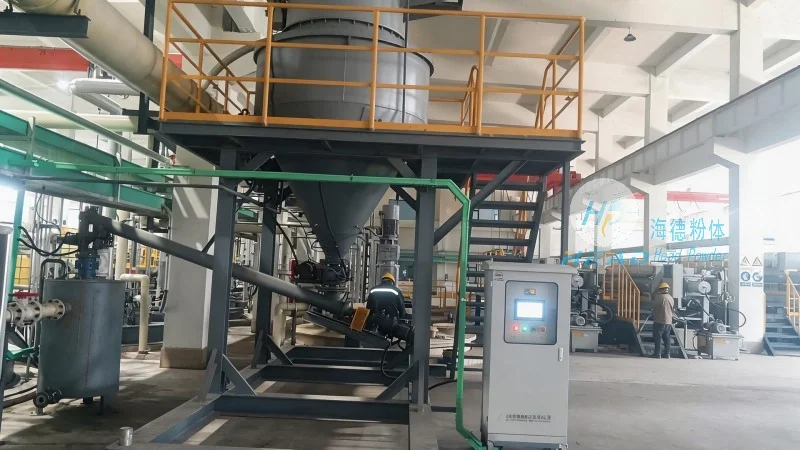
The operation of the automatic waste loading system begins with the loading of waste materials into the hopper. The hopper is equipped with a feeding mechanism that ensures a consistent flow of material into the system. Once the material is loaded, the control system activates the air compressor, which starts generating the required air pressure. The compressed air then flows through the pipeline, creating a vacuum or pressure differential that moves the material particles. The material is transported through the pipeline to the receiving unit, where it is discharged and processed further. The entire process is automated, with the control system monitoring and adjusting parameters to maintain optimal performance.
Key Advantages and Technical Features
This system offers several advantages over traditional material handling methods. Firstly, it provides a dust-free and hygienic environment, which is crucial for waste management applications where contamination control is essential. Secondly, the pneumatic conveying process reduces the risk of material degradation or loss, as the material is not exposed to external elements during transport. Additionally, the system is highly efficient, with minimal energy consumption and low maintenance costs. Technical features include adjustable air pressure control, which allows for customization based on the material properties and pipeline length. The system also incorporates safety features, such as pressure relief valves and emergency shut-off mechanisms, to ensure safe operation.
Application Scenarios and Industry Impact
The automatic waste loading powder pneumatic conveying system is widely used in various industries, particularly in waste management and recycling facilities. It is suitable for transporting a wide range of materials, including municipal solid waste, industrial waste, and recyclable materials. The system's ability to handle bulk materials efficiently makes it an ideal solution for facilities that require high throughput and reliable material transport. By improving the efficiency of waste processing and reducing operational costs, this system contributes to the sustainability and environmental responsibility of modern industrial operations.