

Operation Process and Working Principle of a Zinc Roast Sand Material Pneumatic Conveying System
HeadPowder, a leading engineering firm based in Shandong, China, specializes in the design, manufacturing, and installation of advanced pneumatic conveying systems for various industrial applications. This article provides a detailed overview of the operation process and working principle of a zinc roast sand material pneumatic conveying system, highlighting the key components, operational procedures, and technical considerations essential for efficient material handling in the zinc production industry.
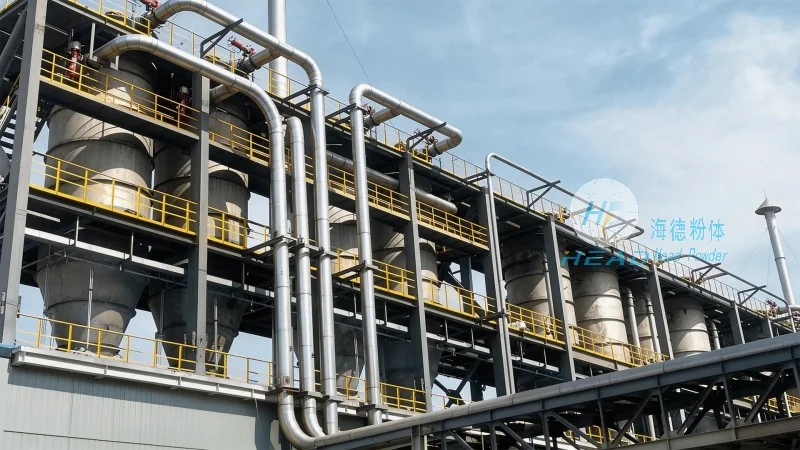
System Overview and Key Components
The zinc roast sand material pneumatic conveying system is a sophisticated piece of industrial equipment designed to transport zinc roast sand—a byproduct of the zinc smelting process—from one location to another within a production facility. The system typically consists of several critical components, each playing a vital role in the overall operation. These components include a material hopper, a rotary feeder, a pneumatic conveyor (either positive or negative pressure), a dust collector, and a discharge outlet. The material hopper serves as the storage vessel, holding the zinc roast sand before it is fed into the system. The rotary feeder regulates the flow of material from the hopper to the conveyor, ensuring a consistent and controlled feed rate. The pneumatic conveyor, which can operate under positive or negative pressure, is the core of the system, responsible for transporting the material through a pipeline. The dust collector is integrated to capture and filter any airborne particles, maintaining air quality and preventing contamination. Finally, the discharge outlet delivers the material to its final destination, such as a storage silo or processing unit.
Working Principle of the Pneumatic Conveying System
The working principle of the zinc roast sand pneumatic conveying system is based on the movement of material particles within a gas stream. In a positive pressure system, compressed air is introduced into the material hopper, creating an upward flow of air that lifts the zinc roast sand particles and propels them through the pipeline. The air and material mixture travels through the conveyor, with the air providing the necessary force to overcome the gravitational and frictional forces acting on the particles. The rotary feeder ensures that the material is continuously fed into the system, maintaining a steady flow rate. As the mixture moves through the pipeline, the air velocity is maintained at a level sufficient to keep the particles suspended, preventing clogging or blockages. The dust collector then separates the air from the material particles, typically using a cyclone or bag filter, and returns the clean air back to the system or releases it to the atmosphere. In a negative pressure system, the opposite occurs: a vacuum is created at the discharge end, drawing the material and air mixture into the pipeline and toward the material hopper. Both systems rely on the principles of fluid dynamics and particle mechanics to achieve efficient material transport.
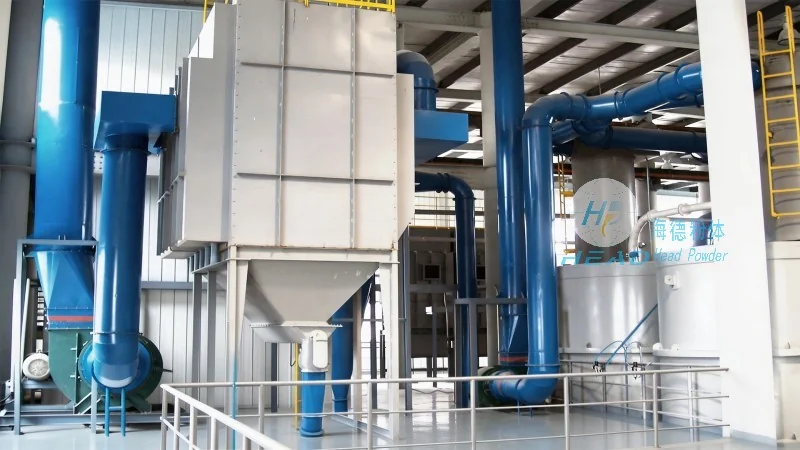
Operation Process: Step-by-Step Guide
The operation of the zinc roast sand pneumatic conveying system follows a systematic process to ensure smooth and reliable material handling. The steps involved are as follows:
- Material Loading: The zinc roast sand is loaded into the material hopper from a storage silo or other source. The hopper is designed with a sloped bottom to facilitate the flow of material into the rotary feeder.
- Feeder Operation: The rotary feeder is activated, and it begins to rotate, drawing material from the hopper. The feeder speed is adjusted to control the flow rate, which is critical for maintaining system efficiency and preventing overloading.
- Conveyor Activation: The pneumatic conveyor is started, either by introducing compressed air (positive pressure) or creating a vacuum (negative pressure). The air pressure or vacuum level is set based on the material characteristics, pipeline length, and system design.
- Material Transport: The zinc roast sand particles are lifted and transported through the pipeline by the air stream. The system monitors the flow rate and pressure to ensure that the material is moving at the desired speed and without any blockages.
- Dust Collection: As the material and air mixture reaches the dust collector, the air is filtered, and the material is separated. The collected material is then discharged into a receiving hopper or storage container.
- System Monitoring and Maintenance: Throughout the operation, the system is continuously monitored for pressure, flow rate, and air quality. Regular maintenance, such as cleaning the dust collector, checking the feeder, and inspecting the pipeline for wear or damage, is essential to ensure long-term system performance and reliability.
Technical Considerations and Optimization
Several technical factors must be considered to optimize the performance of the zinc roast sand pneumatic conveying system. These include:
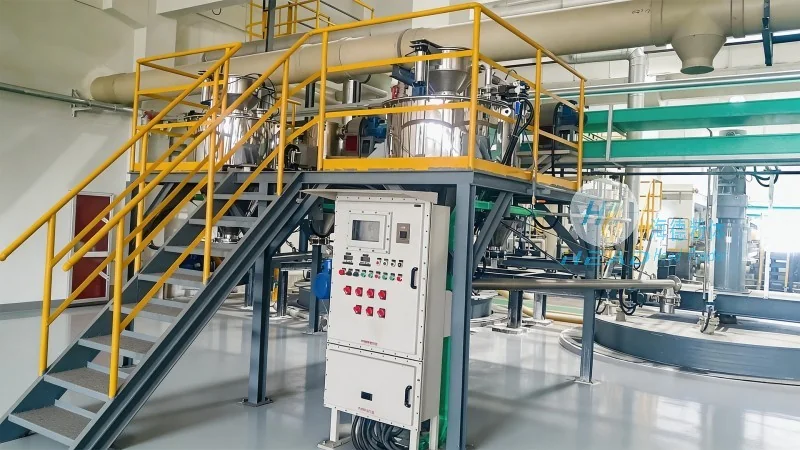
- Material Properties: The characteristics of the zinc roast sand, such as particle size, density, and moisture content, significantly impact system design. Larger or denser particles may require higher air velocities or different feeder designs to ensure efficient transport.
- Pipeline Design: The length, diameter, and layout of the pipeline are critical factors. Longer pipelines or higher elevations may require additional air pressure or vacuum to maintain the material flow. The pipeline is typically made of corrosion-resistant materials, such as stainless steel, to withstand the acidic nature of the zinc roast sand.
- Airflow Management: Proper airflow management is essential to prevent clogging and ensure consistent material transport. The system may include features like air locks or surge tanks to control the flow and maintain system stability.
- Energy Efficiency: Optimizing the system for energy efficiency is important for reducing operational costs. This can be achieved by selecting the appropriate air pressure, minimizing pipeline length, and using efficient feeder and dust collector designs.
Applications and Benefits
The zinc roast sand pneumatic conveying system is widely used in the zinc production industry for various applications, including:
- Transporting zinc roast sand from the roasting furnace to the storage silo or processing unit. This allows for efficient material handling and reduces the need for manual labor.
- Transferring material between different processing stages, such as from the roasting process to the leaching or filtration steps. The system ensures a continuous and controlled flow of material, improving overall production efficiency.
- Handling hazardous or difficult-to-handle materials, as the enclosed system prevents dust exposure and contamination. This enhances workplace safety and compliance with environmental regulations.
The benefits of using a pneumatic conveying system for zinc roast sand include improved operational efficiency, reduced labor costs, enhanced safety, and better environmental control. By leveraging the advanced engineering and expertise of HeadPowder, industries can achieve reliable and cost-effective material handling solutions tailored to their specific zinc production needs.