

Operation Process and Working Principle of Lithium Cobalt Oxide Material Pneumatic Conveying System
HeadPowder, a leading enterprise in the field of powder processing technology, specializes in the design, manufacturing, and installation of advanced pneumatic conveying systems tailored for handling lithium cobalt oxide (LCO) materials. This article provides a detailed overview of the operational process and working principles of such systems, emphasizing the efficiency and reliability crucial for modern battery material production.
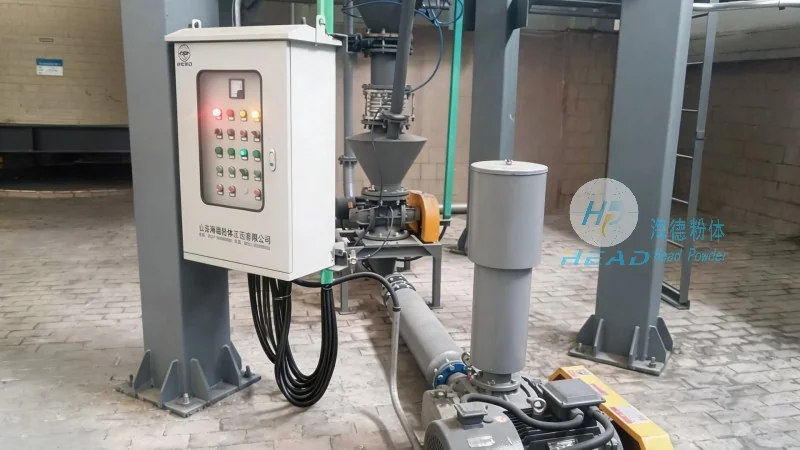
Introduction to Lithium Cobalt Oxide Material Pneumatic Conveying Systems
Lithium cobalt oxide (LCO) is a critical component in lithium-ion battery cathodes, known for its high energy density and performance. The efficient and safe transportation of LCO powder from storage to processing units is essential to maintain production line continuity and product quality. Pneumatic conveying systems offer a non-contact, dust-free, and flexible solution for handling such sensitive materials, making them the preferred choice in the battery material industry.
Company Profile: Shandong HeadPowder Engineering Co., Ltd.
HeadPowder, with its headquarters in Shandong, China, is a professional manufacturer specializing in powder engineering solutions. The company has extensive experience in developing customized pneumatic conveying systems for various industrial applications, including the battery material sector. By leveraging advanced technology and a team of skilled engineers, HeadPowder ensures that its systems meet the stringent requirements of handling lithium cobalt oxide and other high-value powders.
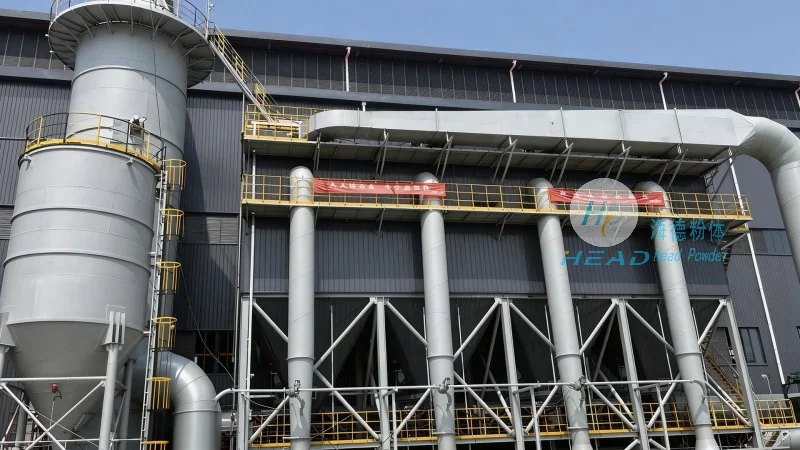
Working Principle of Pneumatic Conveying Systems for LCO Materials
The core of a pneumatic conveying system is the use of air or gas to transport powder through a pipeline. For LCO materials, the system typically operates under positive pressure, where a blower or compressor generates airflow that propels the powder particles. The process involves several key components: a hopper for material storage, a feeder to control the flow rate, a conveying line, and a receiver for the material at the destination. The system ensures that the LCO powder is moved without direct contact, minimizing the risk of contamination and degradation.
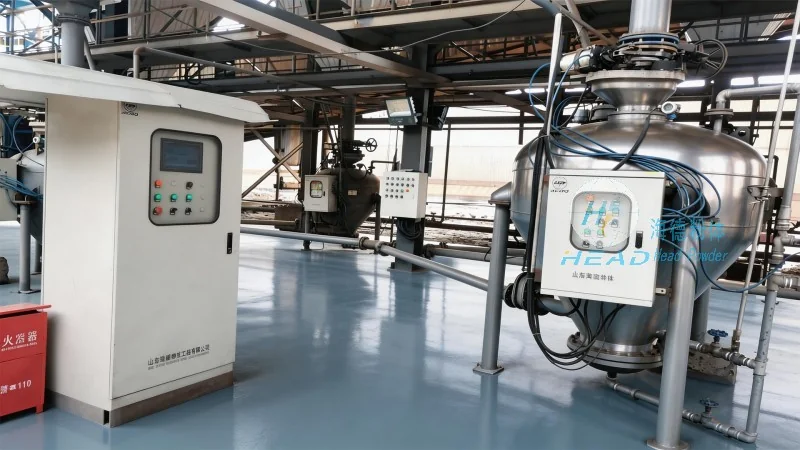
Operational Process of the LCO Material Pneumatic Conveying System
The operational process of the LCO material pneumatic conveying system can be broken down into several sequential steps. First, the LCO powder is loaded into the storage hopper. The feeder then regulates the material flow, ensuring a consistent and controlled discharge into the conveying line. The blower provides the necessary air pressure to transport the powder through the pipeline. As the powder travels, it is mixed with the air stream, forming a dense or dilute phase flow depending on the system design. The receiver at the end of the line collects the LCO powder, ready for further processing. The system also includes safety features such as pressure relief valves and dust collection systems to maintain operational safety and environmental compliance.
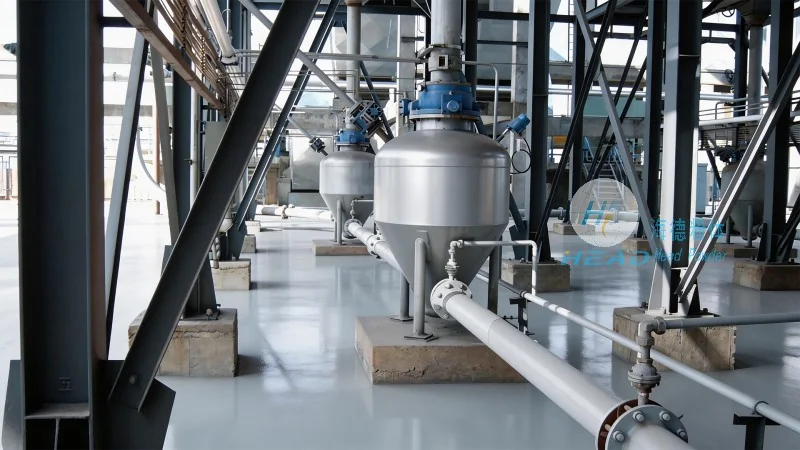
Key Features and Advantages of the System
HeadPowder's LCO material pneumatic conveying systems are designed with several key features that enhance performance and reliability. These include: 1) Customized Design: Systems are tailored to the specific requirements of the production line, including material flow rates, pipeline lengths, and environmental conditions. 2) Efficient Material Handling: The positive pressure system ensures high conveying efficiency, reducing material loss and improving throughput. 3) Low Maintenance: Components are selected for durability and ease of maintenance, minimizing downtime. 4) Environmental Protection: Integrated dust collection and filtration systems prevent air pollution and ensure compliance with environmental regulations. 5) Safety Assurance: The system incorporates safety mechanisms to prevent overpressure and material blockages, ensuring safe operation.
Conclusion
HeadPowder's pneumatic conveying systems for lithium cobalt oxide materials represent a reliable and efficient solution for modern battery material production. By understanding the operational process and working principles, industries can optimize their material handling processes, enhance productivity, and maintain product quality. With its professional team and advanced technology, Shandong HeadPowder Engineering Co., Ltd. continues to provide high-quality solutions that meet the evolving needs of the battery industry.