

Operation Process and Working Principle of a Barium Carbonate Material Pneumatic Conveying System
At Shandong HeadPowder Engineering Co., Ltd., we specialize in the design, manufacturing, and implementation of advanced pneumatic conveying systems tailored for handling barium carbonate materials. This article delves into the operational process and underlying principles of such systems, providing a comprehensive overview for industry professionals seeking to understand or implement similar solutions.
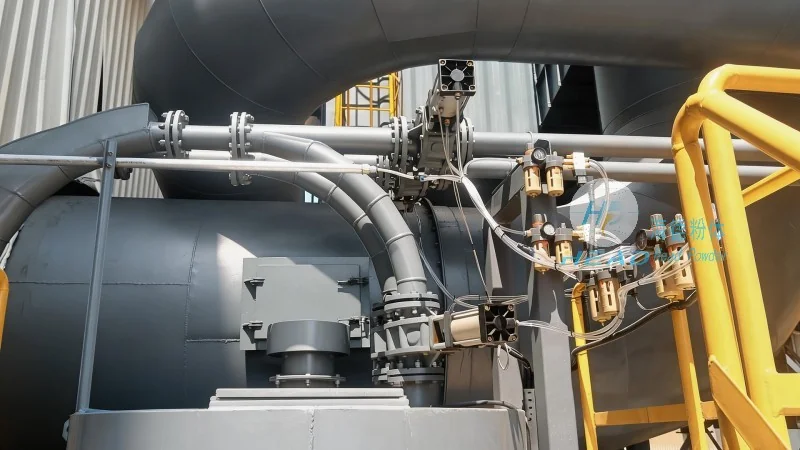
Key Components of the Pneumatic Conveying System
The barium carbonate pneumatic conveying system consists of several critical components that work in tandem to ensure efficient material transport. These include the material hopper, feeder, air compressor, conveying pipeline, and receiving hopper. Each component plays a vital role in maintaining the system's performance and reliability.
Working Principle of the System
The core working principle of the pneumatic conveying system is based on the use of compressed air to transport barium carbonate particles through a pipeline. The process begins with the material being fed from the hopper into the feeder, which regulates the flow rate to match the system's requirements. Simultaneously, the air compressor generates high-pressure air that is introduced into the conveying pipeline. As the air flows through the pipeline, it entrains the barium carbonate particles, creating a slurry-like mixture that moves from the feed point to the receiving hopper at the destination.
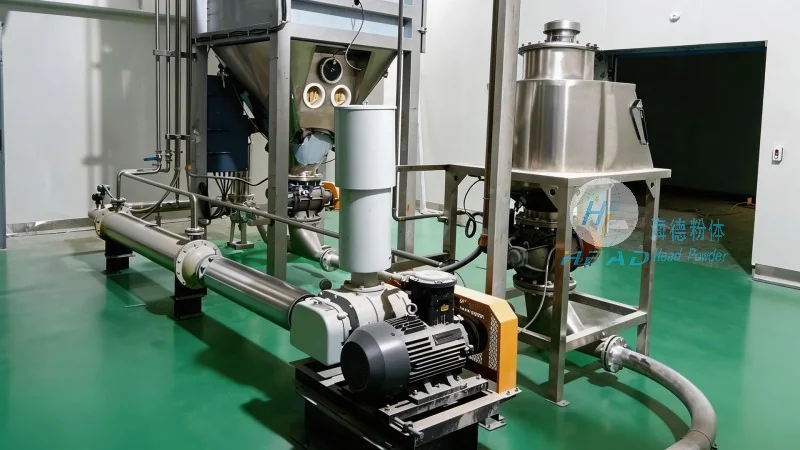
Operation Process: Step-by-Step Breakdown
The operation of the barium carbonate pneumatic conveying system follows a systematic sequence to ensure smooth and continuous material transport. Here is a detailed breakdown of the key steps involved:
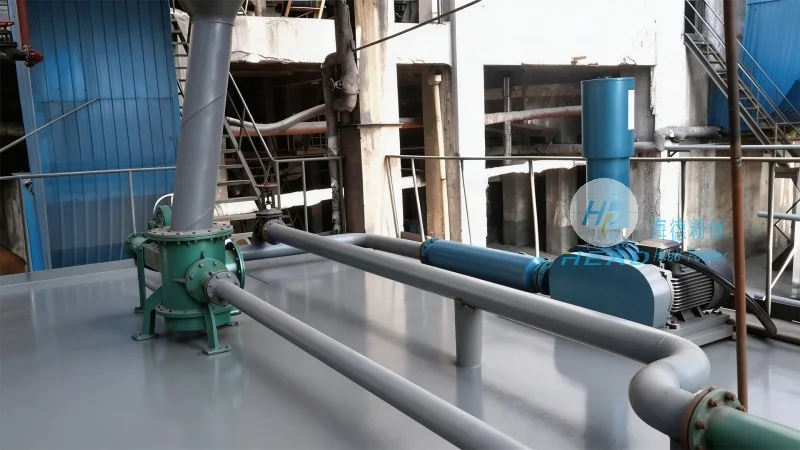
- Material Loading: Barium carbonate is loaded into the storage hopper from which it is drawn by the feeder. This step ensures a consistent supply of material to the system.
- Feeding and Air Compression: The feeder controls the discharge rate of barium carbonate into the conveying pipeline, while the air compressor maintains a steady flow of compressed air. The air pressure is typically adjusted to match the material's characteristics and pipeline length.
- Conveying and Entrainment: The compressed air creates a negative pressure or positive pressure environment within the pipeline, depending on the system design. This air flow entrains the barium carbonate particles, forming a dense phase or dilute phase conveying mode. The system can operate in either dense phase (where particles are closely packed) or dilute phase (where particles are more dispersed), with the choice depending on the material's properties and the required transport efficiency.
- Receiving and Discharge: At the receiving end, the material is deposited into the receiving hopper. The air, now free of particles, is either vented to the atmosphere or recirculated back to the compressor, depending on the system's design for energy efficiency and environmental compliance.
Advantages of the Barium Carbonate Pneumatic Conveying System
Implementing a pneumatic conveying system for barium carbonate offers several advantages over traditional mechanical conveying methods. These benefits include:
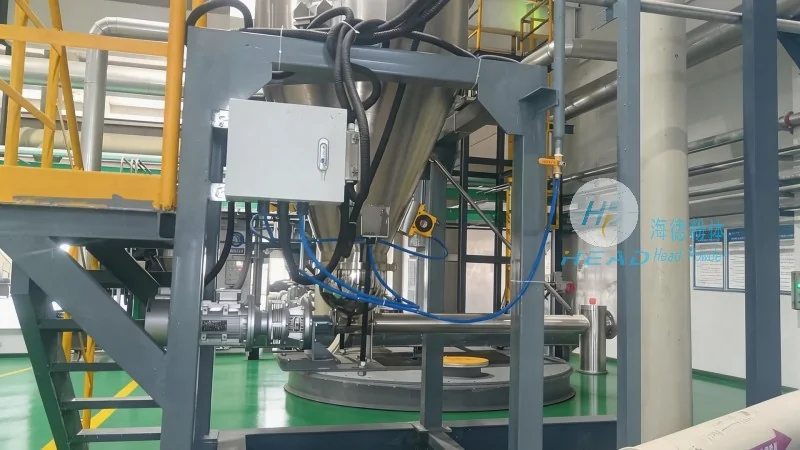
- Reduced Downtime and Maintenance: Pneumatic systems eliminate the need for moving parts in the conveying line, reducing the risk of mechanical failure and minimizing maintenance requirements.
- Improved Material Handling: The system can handle fine or cohesive barium carbonate particles without the risk of clogging or degradation, ensuring consistent product quality.
- Enhanced Safety: By transporting material in a closed pipeline, the system prevents dust emissions, reducing the risk of respiratory hazards and environmental contamination.
- Energy Efficiency: Modern pneumatic conveying systems are designed to optimize air usage, reducing energy consumption while maintaining high transport efficiency.
Application Considerations for Barium Carbonate Handling
When selecting or designing a pneumatic conveying system for barium carbonate, several factors must be considered to ensure optimal performance. These include the material's particle size distribution, moisture content, and flow characteristics. Additionally, the system's capacity, pipeline length, and operating pressure must be matched to the specific application requirements to avoid issues such as blockages or inefficient transport.
Conclusion and Company Expertise
Shandong HeadPowder Engineering Co., Ltd. provides comprehensive solutions for barium carbonate pneumatic conveying systems, leveraging years of experience in material handling technology. Our systems are designed to meet the unique needs of each application, ensuring reliable, efficient, and safe material transport. By understanding the operation process and working principles outlined above, industry professionals can make informed decisions when implementing or upgrading pneumatic conveying systems for barium carbonate materials.