

Operation Process and Working Principle of Lithium Fluoride Material Pneumatic Conveying System
HeadPowder, a leading engineering company based in Shandong, China, specializes in the design, manufacturing, and installation of advanced pneumatic conveying systems tailored for various industrial applications. This article provides a detailed overview of the operation process and working principle of a pneumatic conveying system specifically designed for handling lithium fluoride material, highlighting the key components, operational steps, and technical considerations that ensure efficient and reliable material transport.
Introduction to Pneumatic Conveying Systems for Lithium Fluoride
Pneumatic conveying systems are widely used in the chemical and material processing industries to transport bulk materials, including powders and granules, over short to medium distances. For lithium fluoride, a highly reactive and hygroscopic material, specialized conveying systems are essential to maintain material integrity, prevent contamination, and ensure safe handling. The system designed by HeadPowder incorporates advanced engineering solutions to address the unique challenges associated with lithium fluoride, such as its tendency to agglomerate, high reactivity with moisture, and the need for precise control over particle size and flow rate.
Key Components of the Pneumatic Conveying System
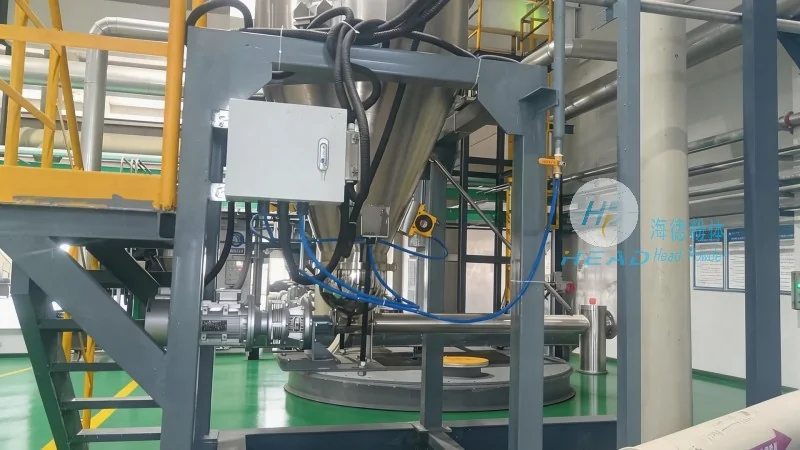
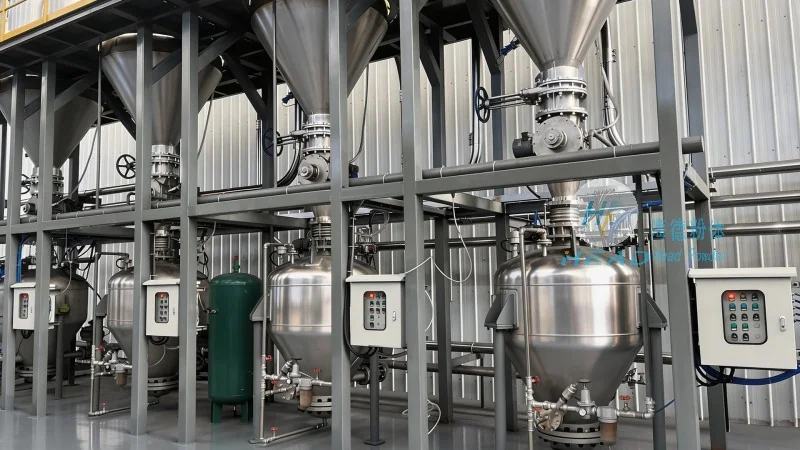
The pneumatic conveying system for lithium fluoride material consists of several critical components that work in tandem to achieve efficient material transport. These components include a material hopper for storage and feeding, a rotary valve or feeder to control the flow of material into the system, a conveying pipeline network, a compressor or blower to generate the necessary air pressure, a dust separator or cyclone to separate the material from the air stream, and a collection bin or silo for the discharged material. Each component is carefully selected and integrated to ensure optimal performance and compatibility with the properties of lithium fluoride.
Working Principle of the System
The operation of the pneumatic conveying system for lithium fluoride follows a systematic process that begins with material loading into the hopper. The rotary valve or feeder regulates the flow of lithium fluoride into the conveying pipeline, where it is mixed with a stream of compressed air. The air, acting as the conveying medium, carries the material particles through the pipeline to the discharge point. At the receiving end, a dust separator or cyclone separates the material from the air, allowing the material to be collected in the discharge bin while the air is either vented to the atmosphere or recirculated through the system. This separation process is crucial for maintaining the purity of the material and preventing dust contamination.
Operation Process: Step-by-Step Overview
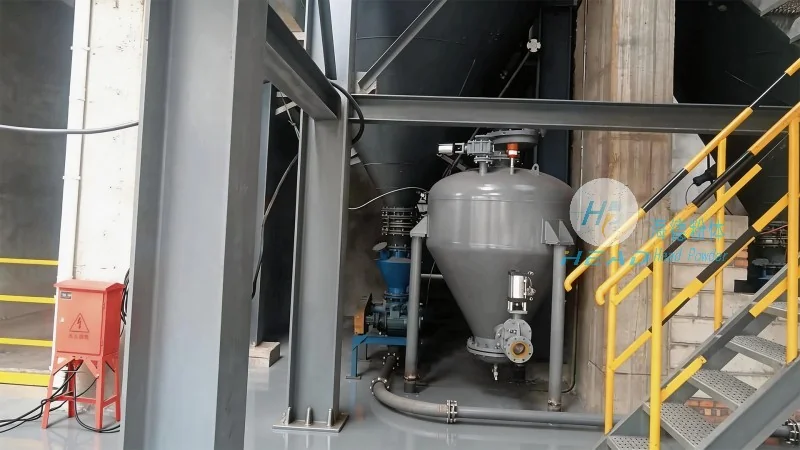
The operation process of the lithium fluoride pneumatic conveying system can be broken down into several key steps. First, the material is stored in the hopper, which is equipped with a level indicator to monitor the material inventory. The rotary valve then opens to allow a controlled amount of lithium fluoride to enter the conveying pipeline. Simultaneously, the compressor generates the required air pressure, which is introduced into the pipeline at the inlet. The air and material mixture travels through the pipeline, with the air velocity maintained at a level sufficient to keep the material suspended and prevent blockages. Upon reaching the discharge point, the mixture enters the dust separator, where centrifugal force separates the material from the air. The separated material falls into the collection bin, while the air is directed to the exhaust or recirculation system. The process repeats continuously as long as material is available in the hopper and the system is powered.
Technical Considerations and System Advantages
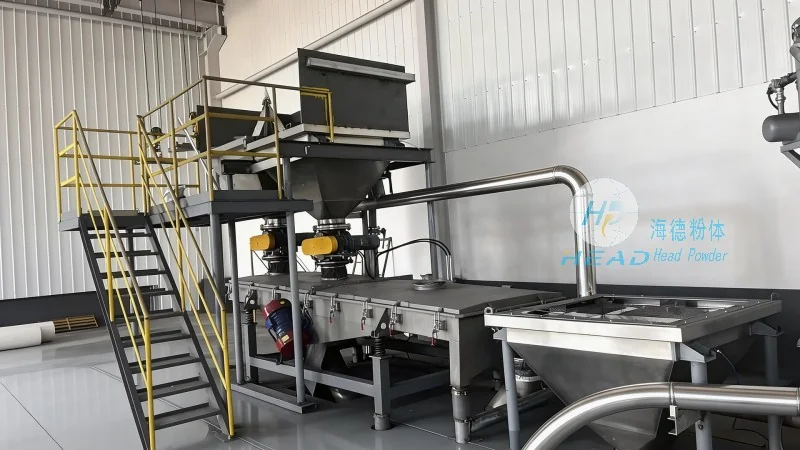
When designing a pneumatic conveying system for lithium fluoride, several technical considerations are paramount to ensure optimal performance and safety. These include selecting materials of construction that are resistant to corrosion and chemical attack, such as stainless steel or specialized alloys, to prevent contamination of the material. The system also incorporates explosion-proof components to address the potential hazards associated with handling reactive materials like lithium fluoride. Additionally, the design includes features to minimize material degradation, such as low shear conveying methods and controlled air velocities, to preserve the material's properties. The advantages of this system include high transport efficiency, reduced labor costs compared to manual handling, improved material safety through enclosed transport, and the ability to handle materials over longer distances with minimal loss or degradation.
Conclusion
HeadPowder's pneumatic conveying system for lithium fluoride material exemplifies advanced engineering solutions tailored to the specific needs of the chemical industry. By integrating robust components, precise control mechanisms, and safety features, the system ensures efficient, reliable, and safe transport of lithium fluoride. This technology not only enhances operational efficiency but also contributes to the overall safety and sustainability of material handling processes in industrial settings. With its headquarters in Shandong, China, HeadPowder continues to innovate and provide customized solutions to meet the evolving demands of the industry.