

Operation Process and Working Principle of Nitrile Rubber Material Pneumatic Conveying System
HeadPowder, a leading engineering solutions provider based in Shandong, China, specializes in the design, manufacturing, and installation of advanced pneumatic conveying systems tailored for various industrial applications, including the handling of nitrile rubber materials. This article provides a detailed overview of the operation process and working principles of such systems, highlighting their efficiency, reliability, and adaptability in material handling operations.
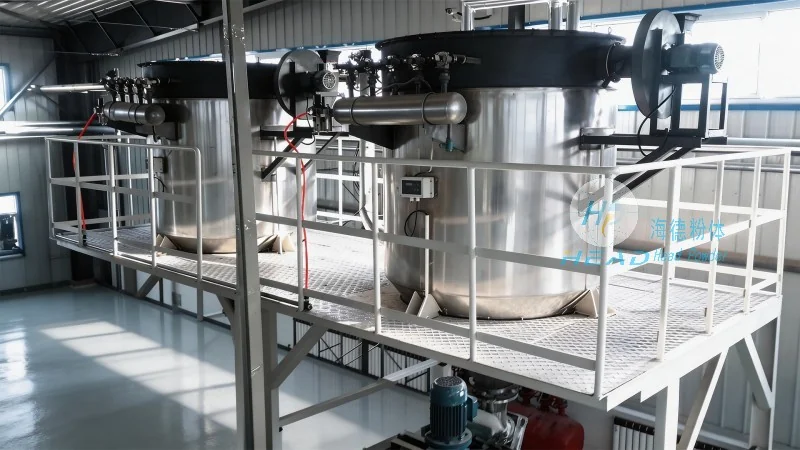
Introduction to Nitrile Rubber Pneumatic Conveying Systems
Nitrile rubber, also known as NBR, is a synthetic polymer widely used in the manufacturing of seals, gaskets, and other industrial components due to its excellent resistance to oil, fuel, and chemicals. Handling nitrile rubber efficiently and safely is crucial for maintaining production quality and minimizing operational downtime. Pneumatic conveying systems offer a non-contact, dust-free, and flexible method for transporting nitrile rubber from storage to processing equipment, making them an ideal solution for modern industrial settings.
Company Overview: Shandong HeadPowder Engineering Co., Ltd.
HeadPowder, headquartered in Shandong, China, is a reputable company dedicated to delivering high-quality engineering solutions for material handling and processing. With years of experience in the industry, HeadPowder has developed a strong reputation for its expertise in pneumatic conveying systems, particularly those designed for handling challenging materials like nitrile rubber. The company's commitment to innovation, quality, and customer satisfaction has enabled it to serve a diverse range of industries, including automotive, chemical, and manufacturing sectors.
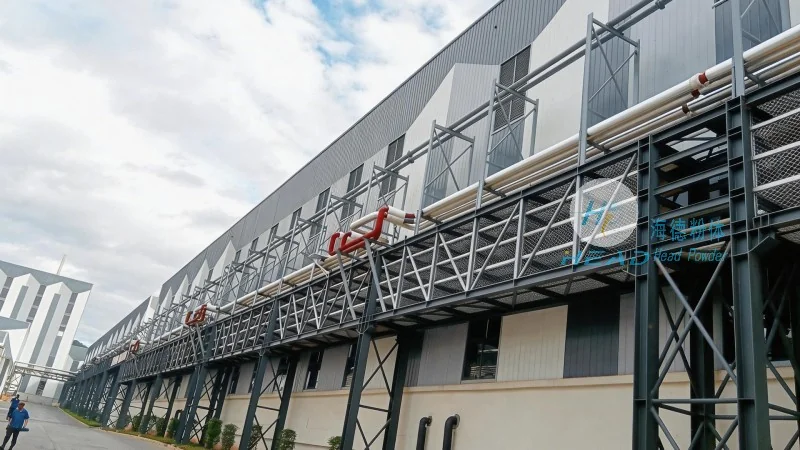
Key Components of a Nitrile Rubber Pneumatic Conveying System
A typical nitrile rubber pneumatic conveying system consists of several key components that work in tandem to ensure smooth material transport. These components include a hopper for material storage, a feeder to control the flow of material, a conveying line (often equipped with airlocks or rotary valves), a filter system to capture dust and particles, and a receiver for the delivered material. Each component plays a critical role in the overall operation of the system, contributing to its efficiency and reliability.
The Operation Process of Nitrile Rubber Pneumatic Conveying
The operation process of a nitrile rubber pneumatic conveying system involves several sequential steps that ensure the material is transported safely and efficiently from the source to the destination. The process typically begins with the loading of nitrile rubber into the hopper. The feeder then regulates the flow of material into the conveying line, ensuring a consistent and controlled feed rate. Compressed air is introduced into the system, creating a flow that propels the nitrile rubber particles through the conveying line. The airlocks or rotary valves at the discharge end control the release of material into the receiver, preventing backflow and maintaining system pressure.
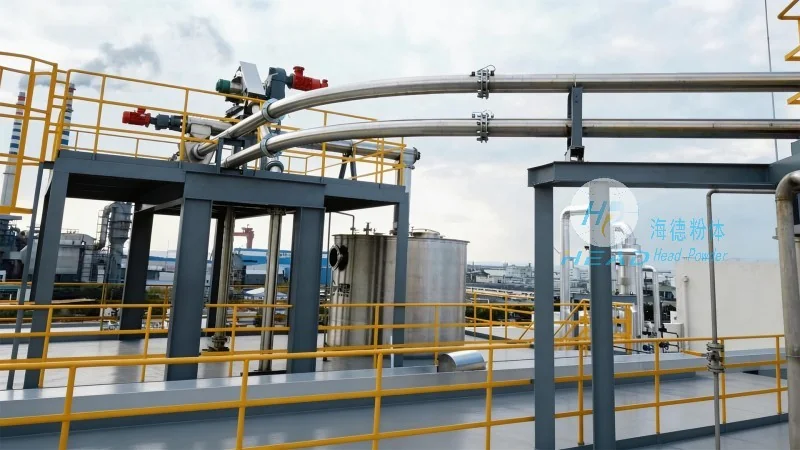
Working Principle of Pneumatic Conveying for Nitrile Rubber
The working principle of a nitrile rubber pneumatic conveying system is based on the use of compressed air to create a flow that transports the material. There are two primary types of pneumatic conveying systems: dilute-phase and dense-phase. Dilute-phase systems use high-velocity air to suspend the material particles in the air stream, while dense-phase systems use lower air velocities to transport the material in a more compact form. For nitrile rubber, a dilute-phase system is often preferred due to the material's relatively low density and the need for efficient dust control. The system operates by creating a pressure differential between the hopper and the receiver, with the compressed air providing the necessary force to move the material through the conveying line.
Advantages of Nitrile Rubber Pneumatic Conveying Systems
Nitrile rubber pneumatic conveying systems offer several advantages over traditional material handling methods. These include non-contact handling, which prevents contamination and damage to the material, dust-free operation, which improves workplace safety and reduces environmental impact, and flexibility in system design, allowing for customization to meet specific application requirements. Additionally, these systems are capable of handling materials with varying properties, such as nitrile rubber, which may be abrasive or have a tendency to agglomerate. The ability to transport materials over long distances without the need for intermediate storage or transfer points also enhances operational efficiency.
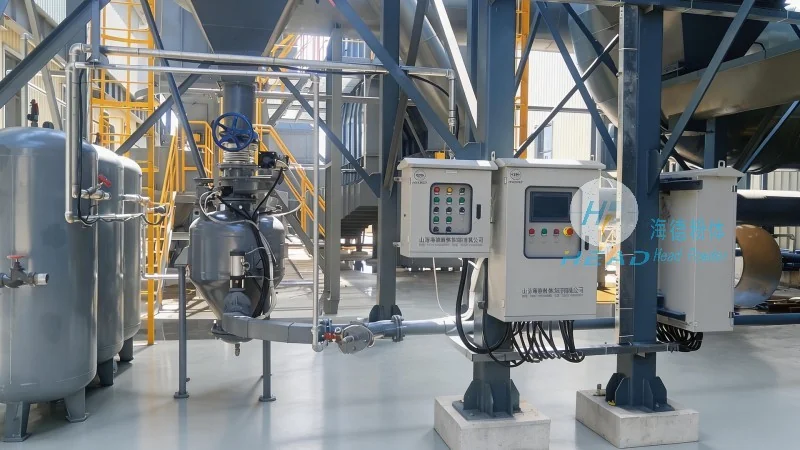
Applications and Industries Served
Nitrile rubber pneumatic conveying systems are widely used in various industries that rely on the handling of nitrile rubber materials. These include the automotive industry, where nitrile rubber is used in the manufacturing of seals and gaskets for engines and transmission systems; the chemical industry, where it is used in the production of adhesives and coatings; and the manufacturing industry, where it is used in the production of industrial components. HeadPowder's systems are designed to meet the specific needs of these industries, ensuring reliable and efficient material transport in demanding environments.
Conclusion and Future Outlook
In conclusion, nitrile rubber pneumatic conveying systems are an essential component of modern industrial material handling operations. The operation process and working principles of these systems, as described above, highlight their efficiency, reliability, and adaptability. With the expertise and experience of companies like Shandong HeadPowder Engineering Co., Ltd., these systems can be customized to meet the specific requirements of various industries, ensuring optimal performance and minimal downtime. As industrial demands continue to evolve, the importance of efficient material handling systems will only increase, making nitrile rubber pneumatic conveying systems a valuable investment for any organization involved in the processing of nitrile rubber materials.