

Operation Process and Working Principle of Pneumatic Conveying System for Metallurgical Coal Powder
HeadPowder, a leading engineering company based in Shandong, China, specializes in the design, manufacturing, and installation of advanced pneumatic conveying systems tailored for metallurgical coal powder materials. This article provides a detailed overview of the operation process and working principles of such systems, highlighting the technical aspects and practical applications that define their efficiency and reliability in industrial settings.
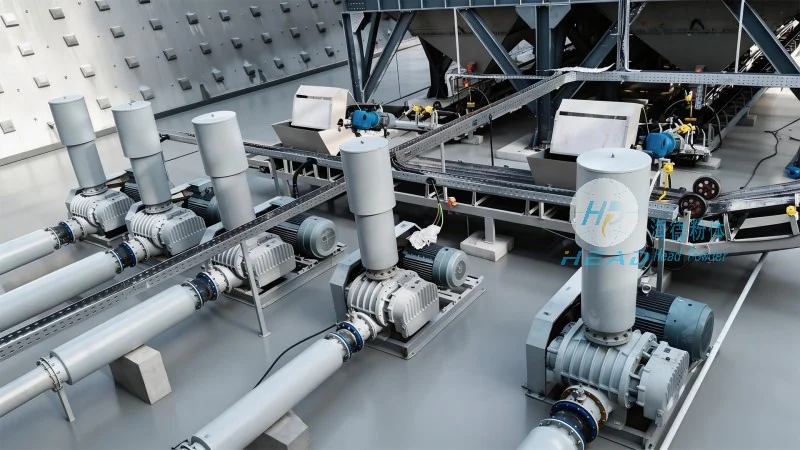
Understanding Pneumatic Conveying Systems for Metallurgical Coal Powder
Pneumatic conveying systems are critical in the metallurgical industry for transporting coal powder from storage silos to processing units, such as ball mills or furnaces. These systems utilize air pressure to move the material, offering a dust-free, continuous, and efficient method compared to traditional methods like bucket elevators or belt conveyors. The core components of a typical system include a hopper, feeder, airlock, pipeline, and receiver, each playing a vital role in the overall operation.
Key Components and Their Functions
The hopper serves as the storage container for the coal powder, ensuring a consistent feed supply. The feeder, often a rotary valve or screw feeder, regulates the material flow into the system, preventing overloading and maintaining steady pressure. The airlock, positioned at the discharge end, acts as a check valve to prevent backflow and maintain system pressure. The pipeline, made of materials like stainless steel or plastic, conveys the material and air mixture, while the receiver collects the material at the destination point.
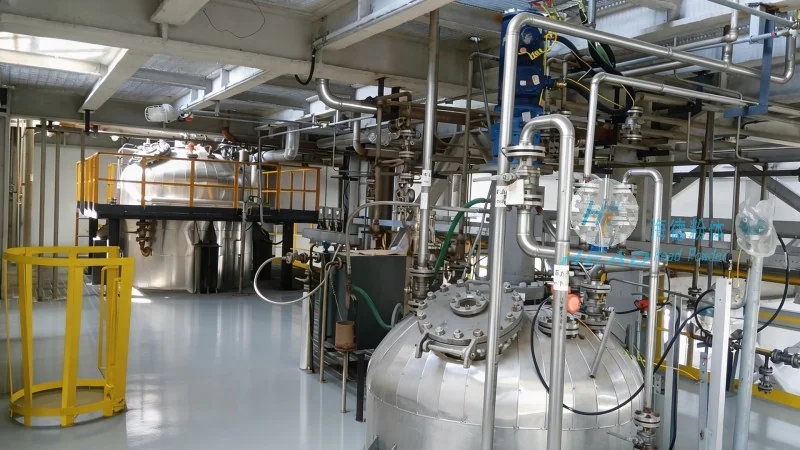
The Operation Process: From Hopper to Receiver
The operation begins when the coal powder is fed from the hopper into the feeder. The feeder then releases the material into the pipeline, where it is mixed with compressed air. This air-material mixture travels through the pipeline under pressure, moving the powder to the receiver. The air, now carrying fine particles, is typically filtered and recycled back into the system to conserve energy and reduce waste. The receiver collects the coal powder, which can then be used in subsequent processes like sintering or smelting.
Working Principles: Air Pressure and Material Transport
The fundamental principle of pneumatic conveying is the use of air pressure to generate the necessary force to move the coal powder. There are two main types of systems: dilute-phase and dense-phase. Dilute-phase systems operate at higher air velocities, suitable for short distances and low to medium material loads. Dense-phase systems use lower air velocities and higher material concentrations, ideal for long-distance transport and preventing material degradation. The choice of system depends on factors like material properties, distance, and required flow rate.
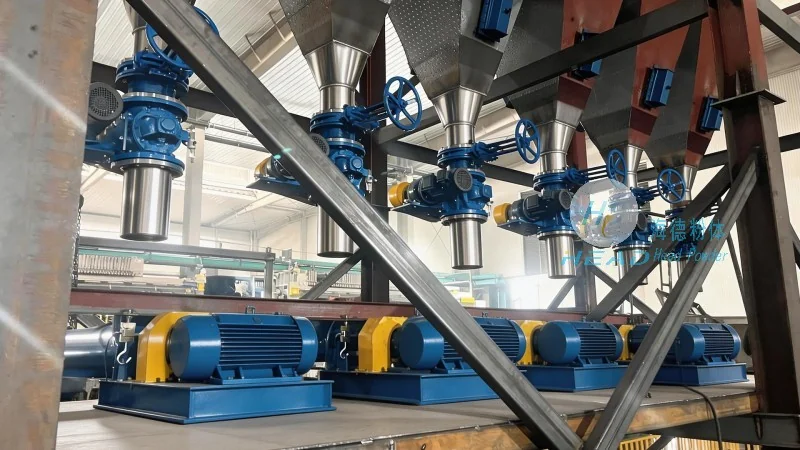
Advantages of Pneumatic Conveying Systems
Compared to other material handling methods, pneumatic conveying systems offer several advantages. They are dust-free, reducing health hazards and environmental pollution. The continuous operation ensures consistent material flow, improving process efficiency. The system is also compact, requiring less floor space compared to traditional conveyors. Additionally, the ability to transport materials over long distances without intermediate storage points enhances operational flexibility.
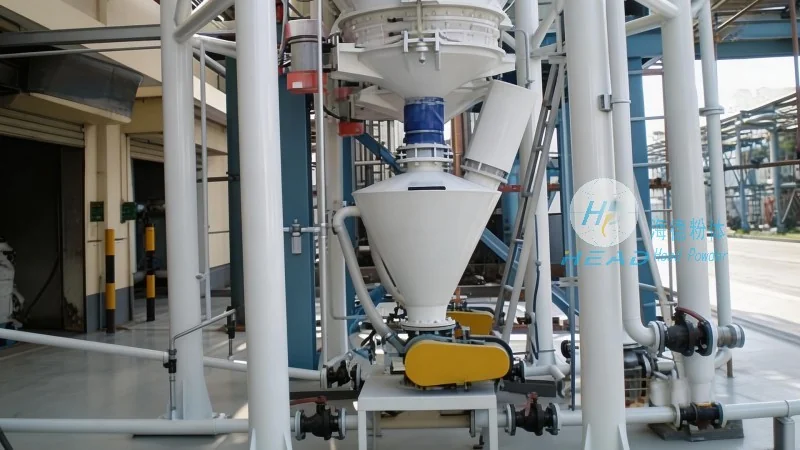
Applications in Metallurgical Industry
In the metallurgical industry, these systems are widely used in coal preparation plants, where coal powder is transported from storage to grinding mills. They are also employed in steel mills for transporting coal to sintering machines or blast furnaces. The systems are designed to handle various coal types, including bituminous and anthracite, with different moisture and particle size characteristics.
Maintenance and Operational Considerations
Proper maintenance is crucial to ensure the long-term performance and reliability of pneumatic conveying systems. Regular checks of the hopper, feeder, and airlock for blockages or wear are essential. The air filtration system must be maintained to prevent clogging and ensure efficient air recycling. Additionally, monitoring the pressure and flow rates helps identify any issues early, preventing system downtime. HeadPowder provides comprehensive maintenance services to ensure clients achieve optimal performance from their systems.