

Operation Process and Working Principle of a Sodium Hexafluorophosphate Material Pneumatic Conveying
Shandong HeadPowder Engineering Co., Ltd. specializes in providing advanced pneumatic conveying solutions tailored for the handling of sodium hexafluorophosphate, a critical material in various industrial applications. This system is designed to efficiently transport the material from storage to processing units, ensuring minimal loss and optimal performance. The following sections detail the operational process and underlying principles of the system.
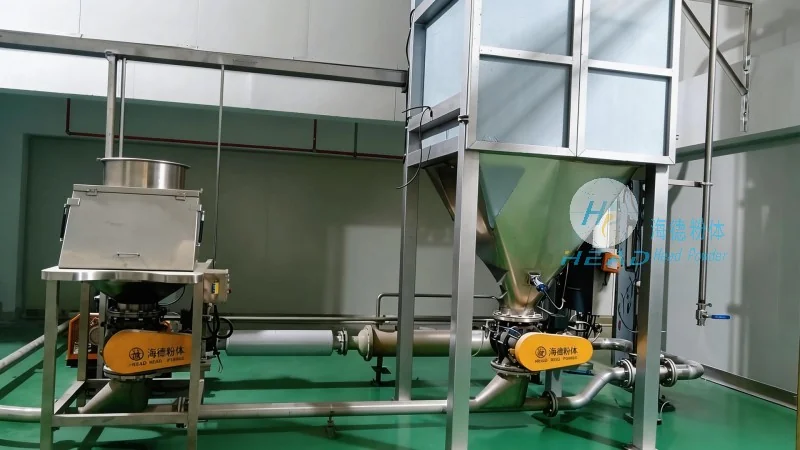
Key Components and Their Roles
The pneumatic conveying system for sodium hexafluorophosphate typically consists of several core components, each playing a vital role in the overall operation. These include the material hopper, which stores the bulk sodium hexafluorophosphate; the air compressor, responsible for generating the necessary air pressure; the conveying line, which transports the material through a pipeline; and the receiver, where the material is deposited. Each component is engineered to handle the specific characteristics of sodium hexafluorophosphate, such as its particle size, density, and flow properties, ensuring smooth and efficient operation.
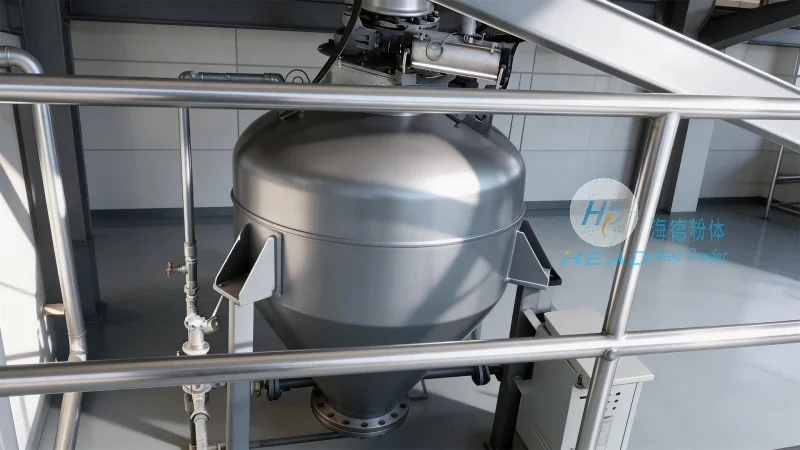
Operation Process: Step-by-Step Overview
The operation of the sodium hexafluorophosphate pneumatic conveying system follows a systematic sequence to ensure reliable material transport. The process begins with the loading of the material into the hopper. Once the hopper is filled, the air compressor is activated, generating a flow of compressed air. This air is introduced into the conveying line, creating a pressure differential that propels the sodium hexafluorophosphate particles forward. The material travels through the pipeline, often in a dilute phase, where it is suspended by the air stream. The conveying line may include bends, valves, and other fittings, which are designed to maintain the flow without causing blockages or material degradation. Upon reaching the receiver, the material is deposited, and the air is filtered and recycled back to the system, minimizing waste and energy consumption.
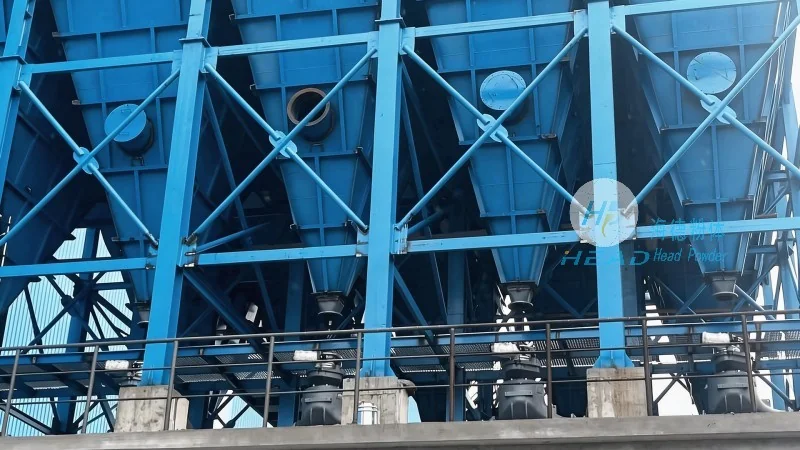
Working Principle: Fluidization and Particle Transport
The core working principle of the pneumatic conveying system relies on the concept of fluidization, where the sodium hexafluorophosphate particles are suspended in the air stream. This is achieved by maintaining a specific air velocity within the conveying line, which is sufficient to overcome the gravitational forces acting on the particles. The air compressor provides the necessary pressure to generate this velocity, ensuring that the particles remain in a suspended state throughout the transport process. The system operates in a dilute phase, where the material is dispersed evenly in the air, preventing agglomeration and ensuring consistent flow rates. The fluidization process also helps in reducing the risk of material degradation, as the particles are not subjected to excessive friction or impact during transport.
Advantages and Benefits of the System
Implementing a pneumatic conveying system for sodium hexafluorophosphate offers several advantages over traditional methods such as belt conveyors or bucket elevators. Firstly, it eliminates the need for physical contact between the material and the conveying equipment, reducing the risk of contamination and material degradation. Secondly, the system is highly flexible, allowing for changes in the conveying route or capacity without major modifications. Thirdly, it provides a dust-free environment, which is crucial for handling sodium hexafluorophosphate, as it is a fine powder that can pose health and safety risks if not properly contained. Additionally, the system is energy-efficient, as the air is recycled and reused, minimizing energy consumption and operational costs.
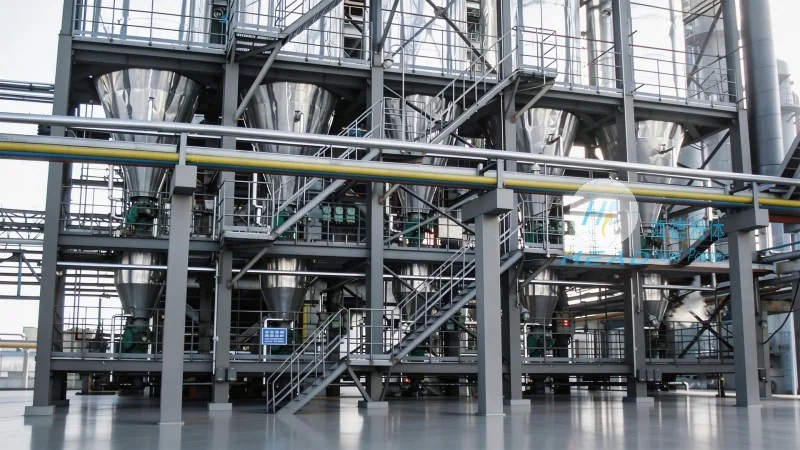
Application and Industry Relevance
The pneumatic conveying system for sodium hexafluorophosphate is widely used in various industrial sectors, including chemical manufacturing, pharmaceuticals, and food processing. In these applications, the system is essential for transporting the material from raw material storage to processing units, such as reactors or mixers. The efficiency and reliability of the system ensure that production processes run smoothly, with minimal downtime and material loss. The system's ability to handle fine powders and maintain a dust-free environment makes it particularly suitable for industries where product purity and safety are paramount.