

Operation Process and Working Principle of Calcium Nitrite Material Pneumatic Conveying System
The pneumatic conveying system designed for calcium nitrite material is a specialized industrial solution that efficiently handles the transportation of this chemical compound. As a key component in various industrial applications, calcium nitrite is often used in processes such as corrosion inhibition and concrete curing. The system developed by Shandong HeadPowder Engineering Co., Ltd. (referred to as HeadPowder) addresses the unique challenges associated with handling calcium nitrite, ensuring safe and reliable material transport.
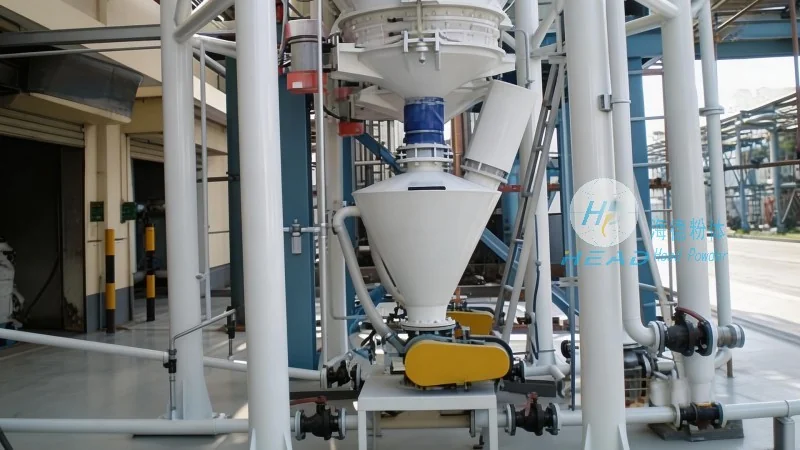
Key Features of the Calcium Nitrite Pneumatic Conveying System
HeadPowder's system incorporates several advanced features tailored to the properties of calcium nitrite. These include high-pressure air compression units, specialized hopper designs to prevent material bridging and caking, and efficient filtration systems to maintain air quality. The system is engineered to handle the hygroscopic nature of calcium nitrite, minimizing moisture absorption and ensuring consistent material flow. Additionally, the design incorporates safety mechanisms to prevent over-pressurization and material blockages, which are critical for maintaining operational stability.
Working Principle of the Pneumatic Conveying Process
The operation of the calcium nitrite pneumatic conveying system follows a systematic process. The system begins with the material being fed into a hopper, where it is stored and prepared for transport. An air compressor then generates high-pressure air, which is directed into the conveying line. The air, now mixed with the calcium nitrite powder, is forced through the pipeline, creating a dense phase flow that propels the material to the destination point. The system utilizes a combination of positive and negative pressure zones to control the flow, ensuring that the material is transported without excessive pressure differentials. At the receiving end, the material is separated from the air using a cyclone or filter, and the air is then discharged or recirculated, depending on the system configuration.
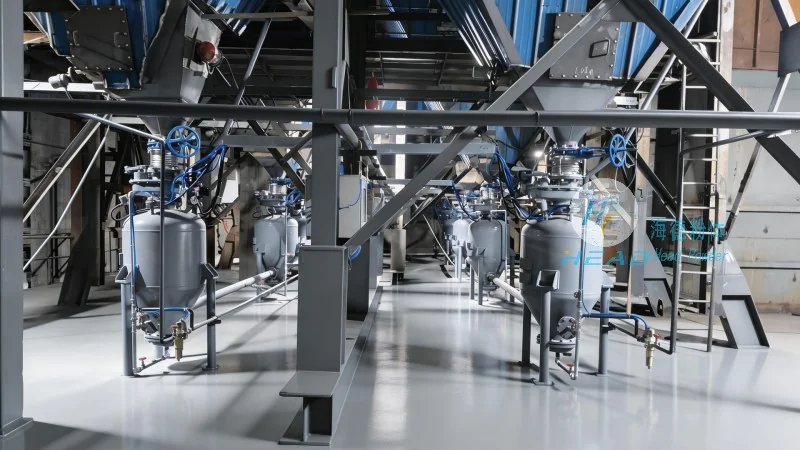
System Components and Their Functions
The pneumatic conveying system consists of several key components, each playing a vital role in the overall operation. The primary components include the material hopper, air compressor, conveying pipeline, and material separator. The hopper is designed with a sloped bottom and a discharge valve to ensure smooth material release. The air compressor provides the necessary pressure to move the material through the pipeline, with adjustable pressure settings to accommodate different material characteristics. The conveying pipeline is typically made of corrosion-resistant materials, such as stainless steel, to prevent interaction with calcium nitrite and maintain system integrity. The material separator, often a cyclone or bag filter, separates the material from the air stream, allowing the air to be cleaned and either vented or recycled back into the system.
Operational Process and Flow Control
The operational process of the calcium nitrite pneumatic conveying system involves several steps that ensure efficient and safe material transport. The process starts with the material being loaded into the hopper, where it is levelled and prepared for feeding. The air compressor is then activated, and the pressure is adjusted to the optimal level for the specific material. The material is then discharged from the hopper into the conveying line, where it is mixed with the high-pressure air. The mixture travels through the pipeline to the receiving point, where the material is deposited into a storage bin or processing unit. The air, now free of material particles, is passed through the separator, where it is cleaned and either released to the atmosphere or recirculated back to the compressor. The system incorporates flow control valves and pressure sensors to monitor and adjust the flow rate, ensuring that the material is transported at a consistent rate without overloading the system.
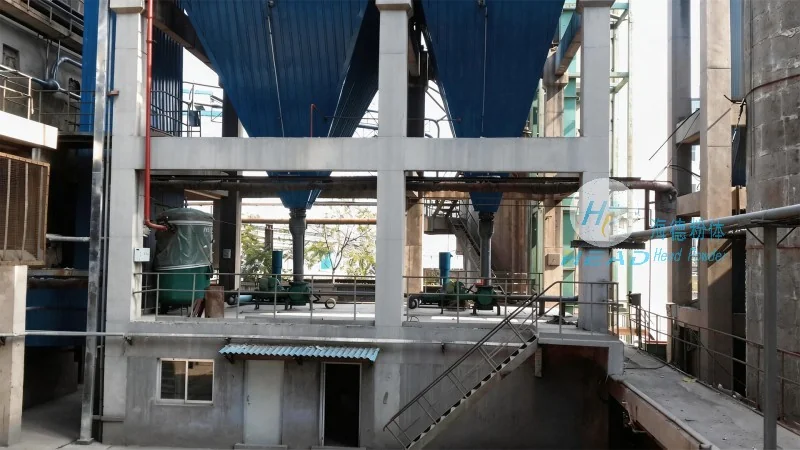
Advantages of the Calcium Nitrite Pneumatic Conveying System
HeadPowder's pneumatic conveying system for calcium nitrite offers several advantages over traditional material handling methods. The system provides a dust-free and enclosed environment, reducing the risk of material contamination and exposure to personnel. It also eliminates the need for manual handling, improving workplace safety and reducing labor costs. The system's ability to handle hygroscopic materials, such as calcium nitrite, is particularly beneficial, as it prevents moisture absorption and maintains material quality. Additionally, the system's compact design and low maintenance requirements make it an efficient solution for industrial applications, where space and operational costs are critical factors.
Application and Industry Use Cases
The calcium nitrite pneumatic conveying system is widely used in various industrial sectors, including construction, chemical manufacturing, and water treatment. In the construction industry, the system is used to transport calcium nitrite for concrete curing applications, where it is added to the concrete mix to enhance durability and reduce cracking. In the chemical industry, the system is used to transport calcium nitrite for corrosion inhibition processes, where it is used as a component in protective coatings. The system's ability to handle large volumes of material efficiently makes it suitable for high-throughput industrial operations, where consistent material flow is essential for maintaining production rates.