

Operation Process and Working Principle of a Calcium Oxide Powder Material Pneumatic Conveying Syste
Shandong HeadPowder Engineering Co., Ltd. specializes in the design, manufacturing, and installation of advanced pneumatic conveying systems tailored for handling calcium oxide powder. This article provides a detailed overview of the operational process and working principles of such systems, highlighting the key components, their functions, and the overall efficiency in material transport.
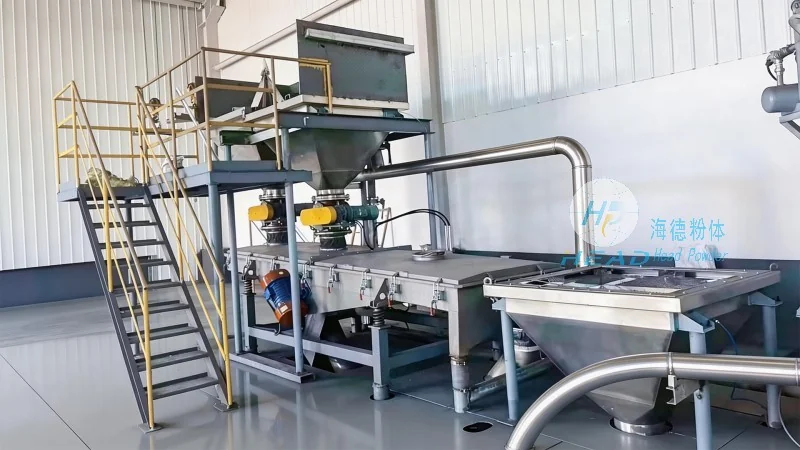
Key Components of the Pneumatic Conveying System
The pneumatic conveying system for calcium oxide powder typically consists of several critical components that work in concert to ensure reliable and efficient material transport. These components include the material hopper, air compressor, conveying line, dust collector, and control system. Each component plays a vital role in the system's performance and safety.
Material Hopper and Feeding Mechanism
The material hopper is the primary storage vessel for calcium oxide powder. It is designed with a conical or rectangular shape to facilitate uniform material flow. The hopper is equipped with a feeding mechanism, such as a rotary valve or a screw feeder, which regulates the flow rate of the powder into the conveying line. This ensures a consistent and controlled feed, preventing blockages and maintaining system stability.
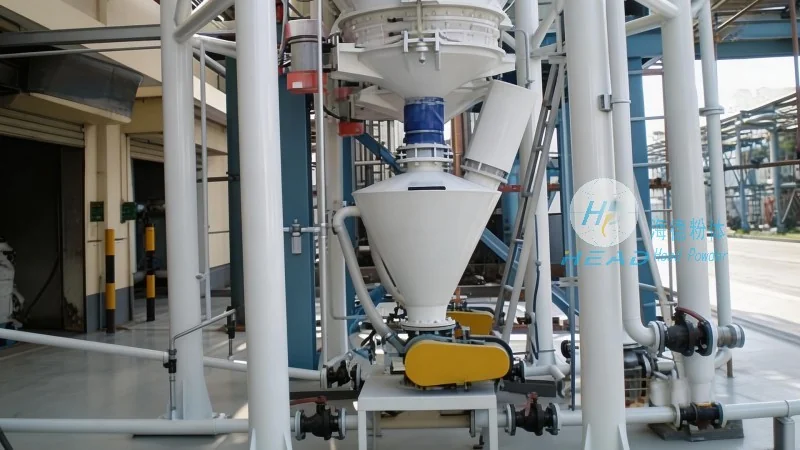
Air Compressor and Pressure Regulation
The air compressor is the heart of the pneumatic conveying system, responsible for generating the necessary air pressure to move the calcium oxide powder through the conveying line. The compressor is typically a positive displacement type, such as a rotary screw or a piston compressor, which can deliver high-pressure air. The pressure is regulated using a pressure regulator to maintain a stable and safe operating pressure, ensuring optimal performance and preventing system damage.
Conveying Line and Material Transport
The conveying line is the main pathway for the calcium oxide powder, usually made of stainless steel or other corrosion-resistant materials to withstand the abrasive nature of the powder. The line is equipped with bends, elbows, and straight sections, designed to guide the material efficiently. The air flow within the line creates a low-pressure zone that draws the powder particles into the air stream, forming a dense phase or dilute phase flow, depending on the system design and operating conditions.
Dust Collector and Filtration System
A dust collector is an essential component for maintaining air quality and preventing dust emissions. It is typically a baghouse or an electrostatic precipitator, which captures the fine powder particles from the exhaust air. The collected powder is then returned to the material hopper, ensuring minimal loss and maximizing material recovery. This system also helps in compliance with environmental regulations and improves workplace safety.
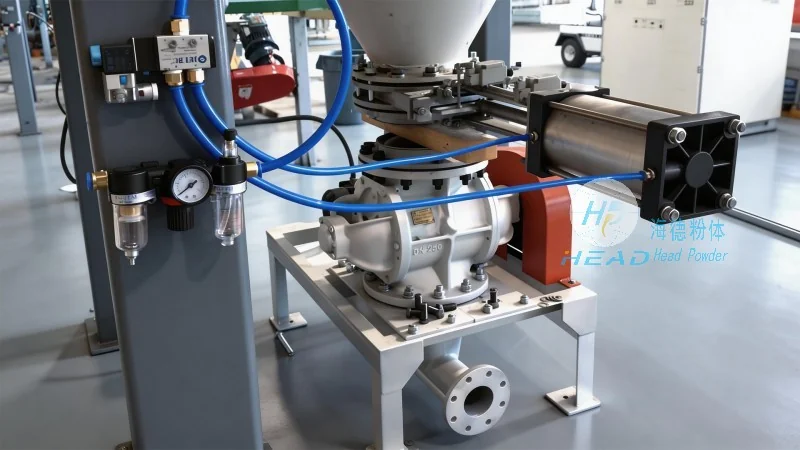
Control System and Automation
The control system manages all aspects of the pneumatic conveying process, including the air compressor operation, feeding rate, and pressure monitoring. Modern systems are equipped with programmable logic controllers (PLCs) and sensors that provide real-time data on system performance. Automation allows for precise control, reducing human error and enhancing operational efficiency. The control system can also include safety features, such as pressure relief valves and emergency stop buttons, to ensure safe operation.
Operational Process and Working Principle
The operational process of the pneumatic conveying system for calcium oxide powder involves several sequential steps. First, the calcium oxide powder is fed into the material hopper from the storage silo. The feeding mechanism then regulates the flow rate, ensuring a consistent supply to the conveying line. The air compressor generates high-pressure air, which is introduced into the conveying line. The air flow creates a negative pressure zone that draws the powder particles into the air stream. The mixture of air and powder travels through the conveying line to the destination point, such as a storage silo or a processing unit. At the destination, the powder is separated from the air using a cyclone or a filter, and the air is discharged or recirculated. The separated powder is then collected and used for further processing or storage.
Advantages of Pneumatic Conveying for Calcium Oxide Powder
Pneumatic conveying systems offer several advantages over traditional methods, such as belt conveyors or bucket elevators, for handling calcium oxide powder. These advantages include: 1) Continuous and uniform material transport, reducing material degradation and loss; 2) Reduced labor costs due to automation and minimal manual intervention; 3) Lower maintenance requirements compared to mechanical systems; 4) Improved safety by eliminating the need for manual handling of bulk materials; 5) Flexibility in system layout, allowing for horizontal, vertical, or inclined transport as required by the process.
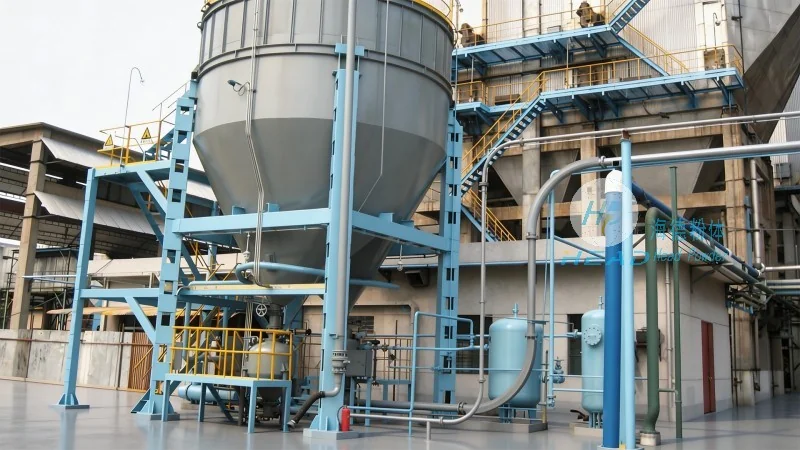
Applications and Industries
The pneumatic conveying system for calcium oxide powder is widely used in various industries, including chemical manufacturing, cement production, and food processing. In the chemical industry, it is used for transporting calcium oxide as a raw material for the production of calcium carbonate or other chemical products. In the cement industry, it is used to transport calcium oxide from storage to the cement production line. In the food industry, it is used for handling calcium oxide as a food additive or a nutritional supplement. The system's ability to handle fine powders and maintain product quality makes it an ideal solution for these applications.
Conclusion
Shandong HeadPowder Engineering Co., Ltd. provides comprehensive solutions for pneumatic conveying systems tailored to the specific needs of calcium oxide powder handling. By understanding the operational process and working principles of such systems, industries can improve their material transport efficiency, reduce costs, and enhance safety. The advanced components and automation features of these systems ensure reliable and consistent performance, making them a preferred choice for bulk material handling in various applications.