

Operation Process and Working Principle of Pneumatic Conveying Equipment for Cement Particle Materia
HeadPowder, a leading engineering company based in Shandong, China, specializes in the design, manufacturing, and installation of advanced pneumatic conveying systems tailored for cement particle materials. This article provides a detailed overview of the operation process and working principles of such equipment, highlighting the key components, operational steps, and technical aspects that ensure efficient and reliable material transport.
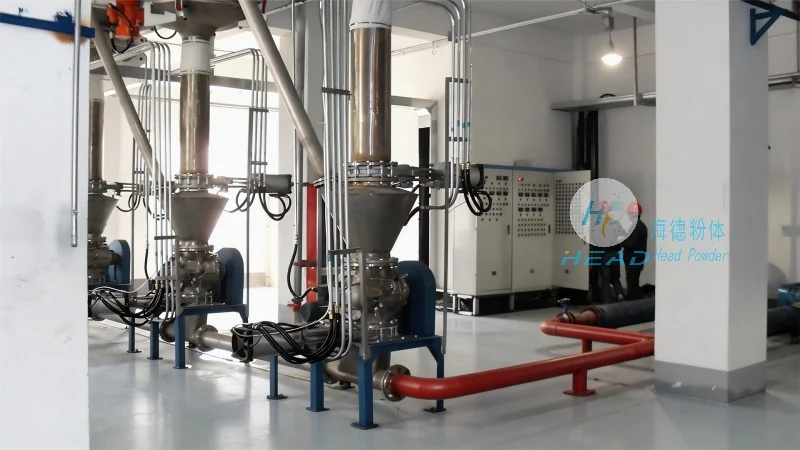
Introduction to Pneumatic Conveying Systems for Cement Particles
Pneumatic conveying equipment is a critical component in cement production and processing facilities, enabling the safe and efficient transport of cement particles from storage silos, production lines, or processing units to various destinations such as packaging stations, blending areas, or storage silos. Unlike traditional mechanical conveyors, pneumatic systems utilize air or gas as the conveying medium, allowing for flexible and low-maintenance material handling. The primary advantage of these systems lies in their ability to handle fine, dusty, or abrasive materials like cement without the need for physical contact, reducing wear and tear on equipment and minimizing product contamination.
Key Components of Cement Particle Pneumatic Conveying Equipment
The operation of a pneumatic conveying system for cement particles involves several interconnected components that work in tandem to achieve efficient material transport. These components include the hopper or feed hopper, which stores and feeds the cement particles into the system; the air compressor or blower, which generates the necessary air pressure to move the material; the conveying line or pipeline, which transports the cement particles and air mixture; the control valves and regulators, which manage the flow and pressure of the air; and the receiver or discharge hopper, where the cement is collected after transport. Each component plays a crucial role in the overall performance and reliability of the system.
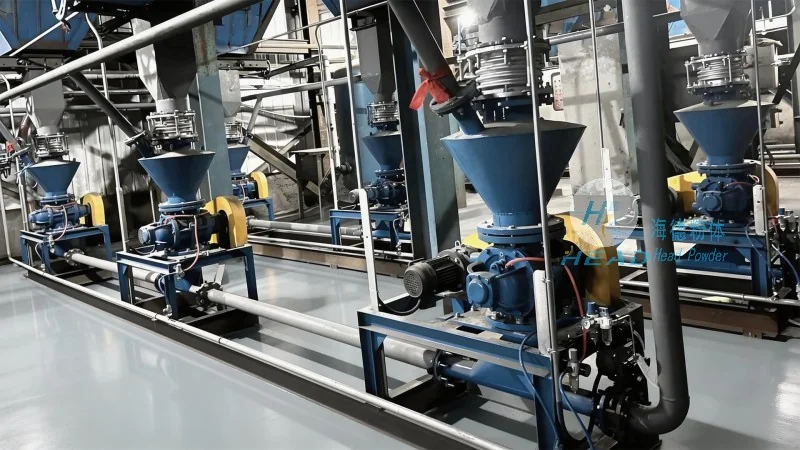
Operation Process of Pneumatic Conveying Equipment
The operation process of a cement particle pneumatic conveying system typically follows a sequence of steps designed to ensure smooth and continuous material transport. The process begins with the cement particles being fed from the storage silo into the feed hopper. The feed hopper is equipped with a feeder, such as a rotary valve or screw feeder, which controls the flow rate of the material into the conveying line. Simultaneously, the air compressor or blower starts operating, generating a flow of air through the conveying line. The air and cement particles are then mixed in the conveying line, with the air pressure creating a positive pressure environment that propels the material forward. The mixture travels through the pipeline until it reaches the receiver or discharge hopper, where the air is separated from the cement particles. The air is then discharged to the atmosphere or recirculated, while the cement particles are collected in the receiver and prepared for further processing or packaging.
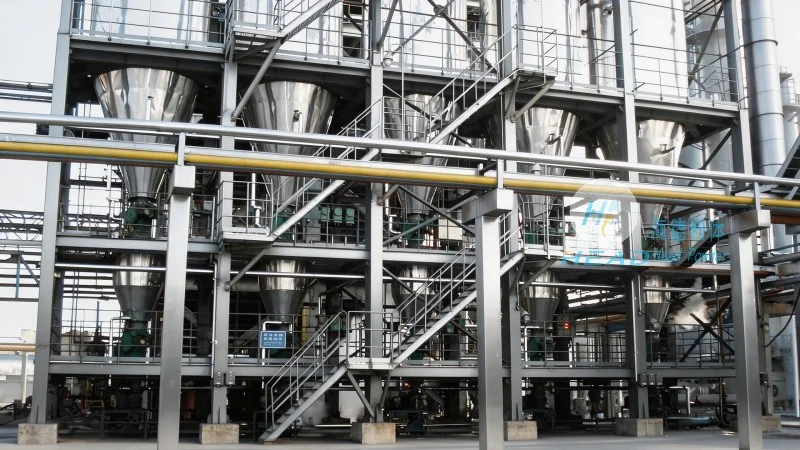
Working Principle of Pneumatic Conveying Systems
The working principle of pneumatic conveying equipment for cement particles is based on the fundamental physics of fluid dynamics and particle motion. The system operates by creating a pressure differential between the inlet and outlet of the conveying line. The air compressor or blower provides the necessary pressure to overcome the resistance of the pipeline and the weight of the cement particles, ensuring that the material is transported efficiently. The air and cement particles form a suspension, where the air acts as the carrier medium, and the cement particles are carried along with the air flow. The velocity of the air in the pipeline is critical, as it must be sufficient to keep the cement particles suspended and prevent them from settling or clogging the pipeline. The design of the conveying line, including its diameter, length, and bends, is carefully optimized to maintain the required air velocity and pressure, ensuring smooth and continuous material transport.
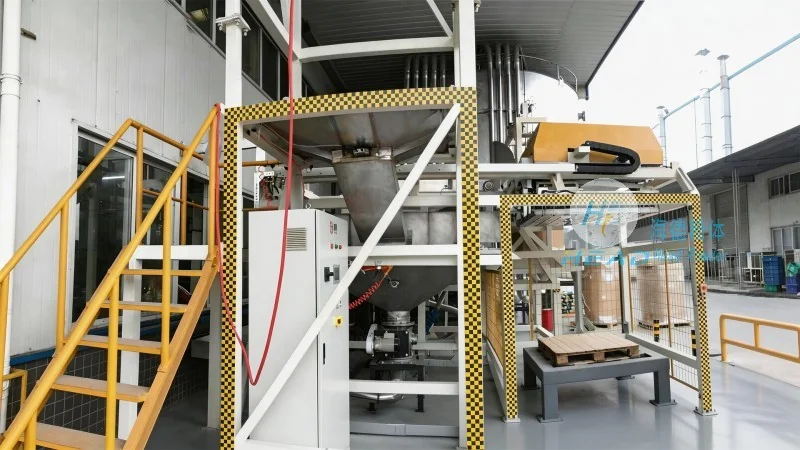
Advantages and Applications of Cement Particle Pneumatic Conveying Equipment
Pneumatic conveying systems for cement particles offer several advantages over traditional mechanical conveyors, making them a preferred choice in many industrial applications. These advantages include low maintenance requirements, as there are no moving parts in direct contact with the material; flexible installation, as the pipeline can be routed in various configurations to suit the layout of the facility; and the ability to handle fine, dusty, or abrasive materials without product degradation. The systems are widely used in cement production plants, where they are employed to transport cement from storage silos to packaging lines, or to transfer cement from production units to blending areas. They are also used in other industries, such as chemical processing and food manufacturing, where similar material handling requirements exist.
Conclusion
In conclusion, pneumatic conveying equipment for cement particle materials is a highly efficient and reliable solution for material transport in industrial settings. The operation process involves a series of steps, from material feeding to air separation and product collection, all coordinated by the system's components. The working principle is based on fluid dynamics and particle suspension, ensuring that the cement particles are transported smoothly and without damage. With its advantages in maintenance, flexibility, and material handling, this equipment is an essential component in modern cement production and processing facilities, contributing to increased productivity and reduced operational costs.