

Operation Process and Working Principle of a Pneumatic Conveyor for Stone Powder Materials
For industries dealing with stone powder, efficient material handling is crucial. A pneumatic conveyor system offers a reliable solution to transport these fine materials over short to medium distances. This article explores the operation process and working principle of such a system, highlighting the technology provided by Shandong HeadPowder Engineering Co., Ltd., a leading manufacturer based in China.
About HeadPowder: A Trusted Manufacturer
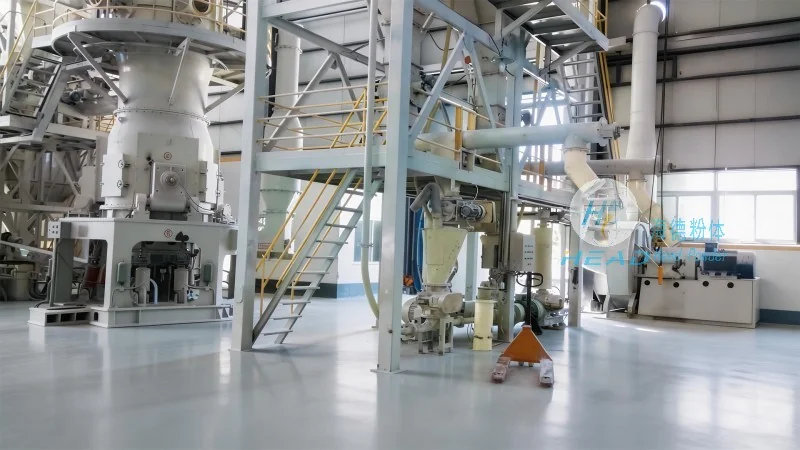
Shandong HeadPowder Engineering Co., Ltd., commonly known as HeadPowder, is a professional company specializing in the design, manufacturing, and supply of pneumatic conveying equipment. With its headquarters in Shandong, China, HeadPowder has established itself as a key player in the industry, delivering high-quality solutions tailored to the needs of various sectors, including mining, construction, and chemical processing.
The Operation Process of a Pneumatic Conveyor for Stone Powder
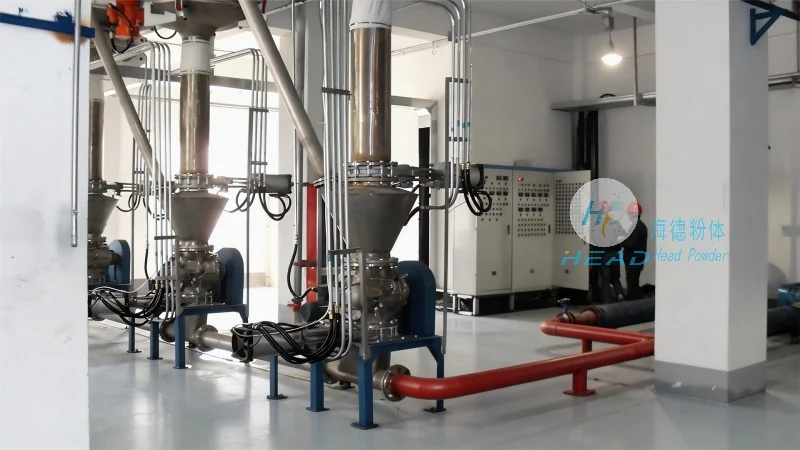
The operation of a pneumatic conveyor for stone powder involves several key steps, ensuring smooth and continuous material transport. The process typically begins with the loading of the stone powder into the hopper. The hopper is equipped with a feeder that controls the flow rate of the material into the conveyor line. As the material enters the pipeline, it is mixed with air under pressure, creating a slurry-like mixture that moves through the system. The air pressure is generated by a blower or compressor, which provides the necessary force to propel the material. The conveyor line may include bends, expansions, or reductions, but the air pressure maintains the material in suspension, preventing blockages. At the discharge end, the air and material are separated, with the stone powder collected in a receiving bin or container. The air is then filtered and discharged back into the environment, completing the cycle.
Working Principle of the Pneumatic Conveyor System
The working principle of a pneumatic conveyor for stone powder is based on the use of air as the conveying medium. The system operates by creating a pressure differential between the inlet and outlet of the pipeline. The blower or compressor supplies compressed air, which is introduced into the hopper, causing the stone powder to be drawn into the pipeline. The air velocity is maintained at a level sufficient to keep the particles in suspension, preventing them from settling and causing blockages. The design of the conveyor, including the size of the hopper, the diameter of the pipeline, and the type of feeder, is critical to achieving optimal performance. The separation process at the discharge end uses a cyclone or other filtration device to separate the air from the stone powder, ensuring that the material is collected efficiently and the air is cleaned before release.
Key Features and Benefits
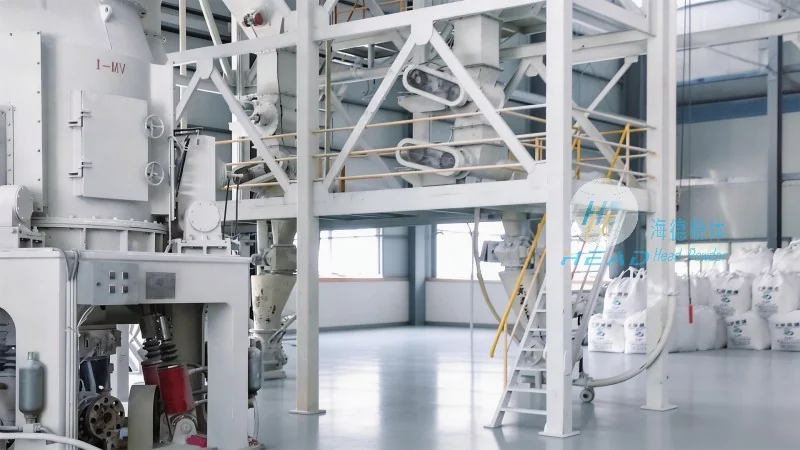
HeadPowder's pneumatic conveyor systems for stone powder offer several advantages. These include low maintenance requirements, as there are no moving parts in direct contact with the material, reducing wear and tear. The system is also flexible, allowing for changes in the conveying distance or direction without major modifications. Additionally, the enclosed design minimizes dust emissions, making it suitable for applications where environmental control is important. The technology is suitable for a wide range of stone powder types, including limestone, quartz, and other fine powders, making it a versatile solution for various industrial needs.
Conclusion
Shandong HeadPowder Engineering Co., Ltd. provides advanced pneumatic conveyor systems that effectively handle stone powder materials. By understanding the operation process and working principle, users can appreciate the efficiency and reliability of these systems. HeadPowder's expertise in designing and manufacturing such equipment ensures that clients receive high-quality solutions tailored to their specific requirements, contributing to improved productivity and operational efficiency in material handling processes.