

Operation Process and Working Principle of Pneumatic Conveying Equipment for Rubber Powder Materials
HeadPowder, a leading manufacturer based in Shandong, China, specializes in the design and production of advanced pneumatic conveying systems tailored for rubber powder materials. This article delves into the operational process and underlying working principles of such equipment, providing a comprehensive understanding for potential users and industry professionals.
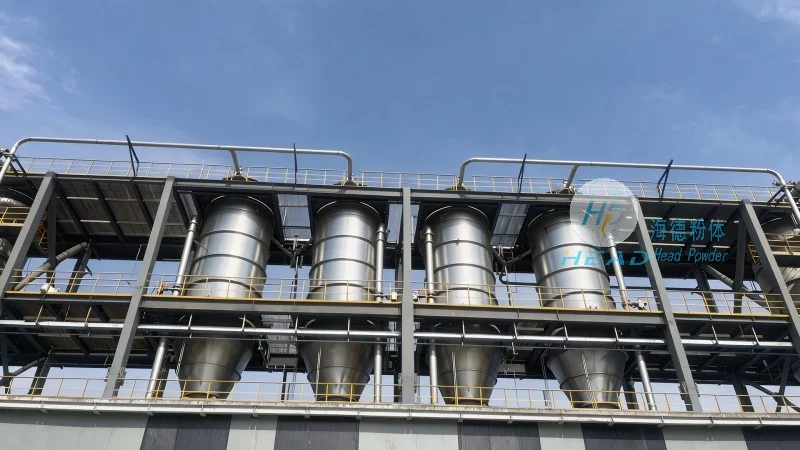
Introduction to Pneumatic Conveying for Rubber Powder
Pneumatic conveying systems are widely utilized in the rubber industry to transport rubber powder efficiently and safely. These systems eliminate the need for traditional mechanical conveyors, which can cause material degradation or contamination. The equipment from HeadPowder Engineering Co., Ltd. is engineered to handle the unique properties of rubber powder, ensuring minimal product damage and optimal performance.
Key Components of the Pneumatic Conveying System
The pneumatic conveying machine for rubber powder typically consists of several critical components that work in tandem to facilitate material transport. These include a hopper for material storage, a rotary valve for controlled discharge, a pipeline system for air and material flow, a blower or compressor to generate the necessary air pressure, and a dust collector or filter to maintain air quality. Each component plays a vital role in the overall operation, contributing to the system's reliability and efficiency.
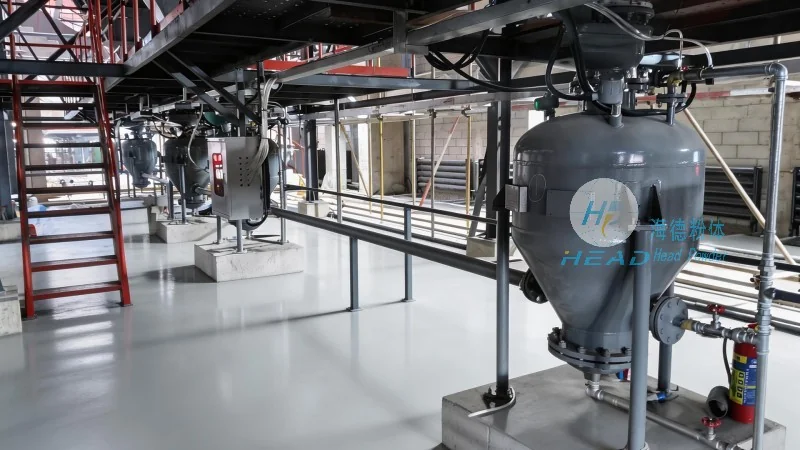
The Operational Process: Step-by-Step Explanation
The operation of the pneumatic conveying equipment for rubber powder begins with material loading into the hopper. The rotary valve then regulates the flow of rubber powder into the pipeline, ensuring a consistent feed rate. Simultaneously, the blower generates a high-pressure air stream that propels the rubber powder particles through the pipeline. As the material travels, it is suspended in the air stream, moving from the inlet to the outlet of the system. At the receiving end, a cyclone separator or a rotary valve discharges the rubber powder into the target container, while the clean air is returned to the system or vented to the atmosphere.
Working Principle: Air-Flow Dynamics and Material Suspension
The core working principle of the pneumatic conveying system lies in the generation of an air stream that can effectively suspend and transport the rubber powder particles. The air velocity within the pipeline must exceed the terminal velocity of the powder particles to keep them airborne. This is achieved by adjusting the air pressure and flow rate based on the material's density, particle size, and moisture content. The system's design ensures that the air flow is uniform and consistent, preventing blockages and ensuring smooth material transport.
Advantages of Using Pneumatic Conveying for Rubber Powder
Employing pneumatic conveying for rubber powder offers several advantages over traditional methods. Firstly, it minimizes product contamination and degradation due to the absence of mechanical contact. Secondly, the system is highly flexible, allowing for changes in material flow rates and distances without significant modifications. Thirdly, it reduces labor costs and operational downtime by automating the material handling process. Additionally, the equipment from HeadPowder Engineering Co., Ltd. is designed for easy maintenance and low operational costs, making it a cost-effective solution for rubber powder transportation.
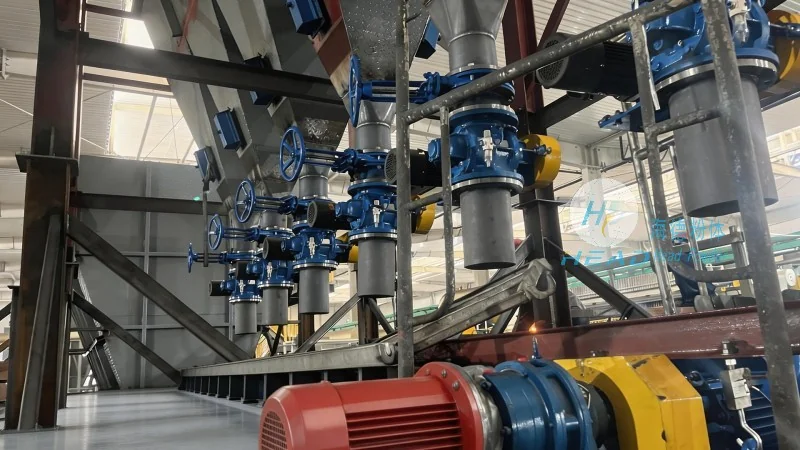
Application Scenarios and Industry Impact
The pneumatic conveying equipment for rubber powder is widely used in various applications within the rubber industry, including raw material handling, intermediate product transport, and finished product delivery. It is particularly suitable for processes that require high purity and minimal product loss, such as in the production of rubber compounds, tires, and other rubber-based products. By integrating this technology, manufacturers can enhance their production efficiency, improve product quality, and reduce operational costs, thereby gaining a competitive edge in the market.
Conclusion and Company Overview
HeadPowder Engineering Co., Ltd., with its headquarters in Shandong, China, is committed to providing innovative and reliable pneumatic conveying solutions for rubber powder materials. The company's expertise in material handling technology ensures that its equipment meets the highest standards of performance and durability. By understanding the operational process and working principles of pneumatic conveying systems, users can make informed decisions about implementing this technology in their production lines, ultimately enhancing their operational efficiency and product quality.