

Operation Process and Working Principle of Carboxymethyl Cellulose Material Pneumatic Conveying Mach
Shandong HeadPowder Engineering Co., Ltd., a leading manufacturer in the field of pneumatic conveying equipment, specializes in the design, production, and supply of advanced systems for transporting various materials, including carboxymethyl cellulose (CMC). The company, operating from its base in Shandong, China, has established itself as a trusted partner for industries seeking efficient and reliable material handling solutions. This article delves into the operation process and working principle of a carboxymethyl cellulose material pneumatic conveying machine, highlighting the technical aspects and practical applications that make it an essential tool in modern industrial operations.
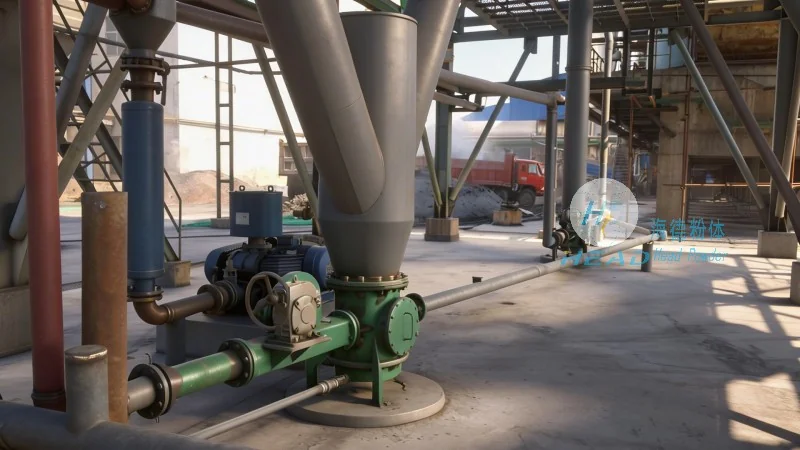
Overview of Carboxymethyl Cellulose Pneumatic Conveying Systems
Carboxymethyl cellulose (CMC) is a widely used chemical additive in industries such as food, pharmaceuticals, and construction, known for its thickening, stabilizing, and emulsifying properties. Handling CMC in bulk requires specialized equipment to maintain product integrity and ensure safe, efficient transport. The carboxymethyl cellulose material pneumatic conveying machine from HeadPowder is engineered to address these challenges, providing a clean, dust-free, and low-maintenance solution for moving CMC from storage to processing units. The system combines advanced pneumatic technology with robust mechanical components to deliver consistent performance and high reliability.
Working Principle of the Pneumatic Conveying Machine
The core of the carboxymethyl cellulose material pneumatic conveying machine is its pneumatic conveying principle, which utilizes air flow to transport dry powders or granules through a pipeline system. The machine operates by creating a pressure differential between the material hopper and the discharge point, using either positive or negative pressure (or a combination of both) to move the material. In the case of positive pressure systems, compressed air is introduced into the hopper, pushing the CMC into the pipeline. Negative pressure systems, on the other hand, draw air and material from the hopper into the pipeline using a vacuum. The HeadPowder system typically employs a positive pressure design, which is ideal for CMC due to its low dust generation and the need for gentle handling to preserve its properties.
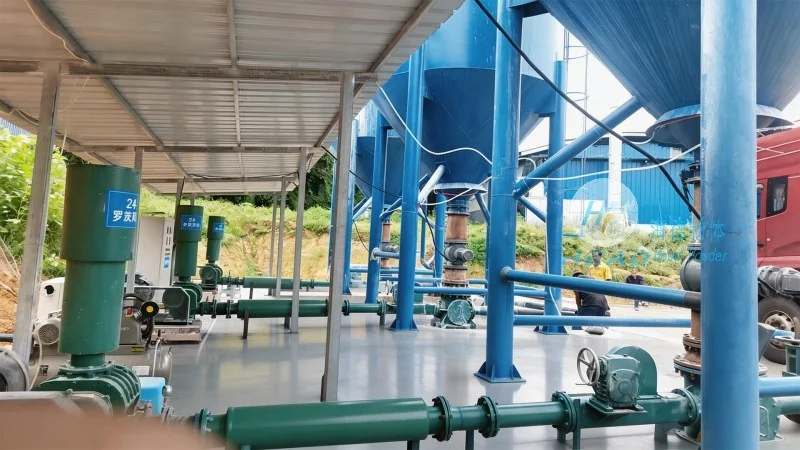
Step-by-Step Operation Process
The operation of the carboxymethyl cellulose material pneumatic conveying machine involves several key steps, each designed to ensure smooth and efficient material transport. First, the CMC is loaded into the hopper, which is equipped with a feeding mechanism to control the flow rate. The hopper is connected to the conveying pipeline via a rotary valve or a feeder, which regulates the amount of material entering the system. Next, the compressed air is supplied to the system, creating the necessary pressure to start the conveying process. As the air flows through the pipeline, it picks up the CMC particles and transports them to the discharge point. The discharge point is typically a receiver or a processing unit, where the material is collected and used. The system also includes a filter and a silencer to manage air emissions and noise, ensuring compliance with environmental regulations. Throughout the operation, the machine monitors pressure, flow rate, and other parameters to maintain optimal performance and prevent issues such as blockages or overloading.
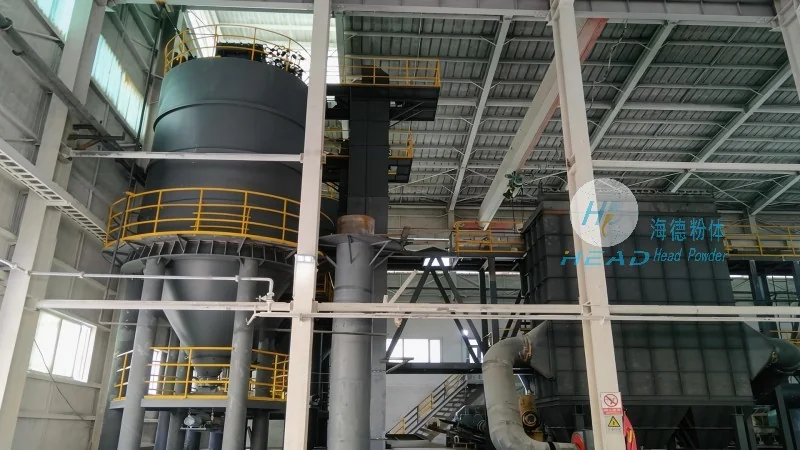
Key Features and Technical Advantages
HeadPowder's carboxymethyl cellulose material pneumatic conveying machine offers several advantages that make it suitable for demanding industrial applications. The system is designed with a robust stainless steel construction, which is resistant to corrosion and suitable for handling CMC, a material that can be hygroscopic and prone to degradation. The use of stainless steel also ensures hygiene compliance, which is critical in industries such as food and pharmaceuticals. The machine features a low maintenance design, with easy access to components for cleaning and replacement, reducing downtime and operational costs. Additionally, the system is equipped with advanced control systems that allow for precise control of flow rates and pressure, ensuring consistent material delivery. The pneumatic conveying process is also dust-free, which improves workplace safety and reduces the risk of product contamination. These features, combined with the efficient operation of the machine, make it a cost-effective solution for CMC handling.
Applications and Industries
The carboxymethyl cellulose material pneumatic conveying machine is widely used in various industries where CMC is a key component. In the food industry, CMC is used as a thickener in sauces, dressings, and other products, and the machine ensures that it is transported safely and efficiently from storage to production lines. In the pharmaceutical industry, CMC is used as a binder and filler in tablets and capsules, and the system helps maintain the quality and purity of the material during transport. In the construction industry, CMC is used as a water-retaining agent in concrete and mortar, and the machine provides a reliable way to move it from storage to mixing sites. The versatility of the HeadPowder system makes it suitable for a wide range of applications, from small-scale operations to large industrial plants.