

Operation Process and Working Principle of Pneumatic Conveying Equipment for Moisture - Containing S
HeadPowder, a leading manufacturer based in Shandong, China, specializes in the design and production of pneumatic conveying equipment tailored for handling moisture - containing sodium nitrate materials. This article provides a detailed overview of the operation process and working principle of such equipment, highlighting the technical aspects and practical applications.
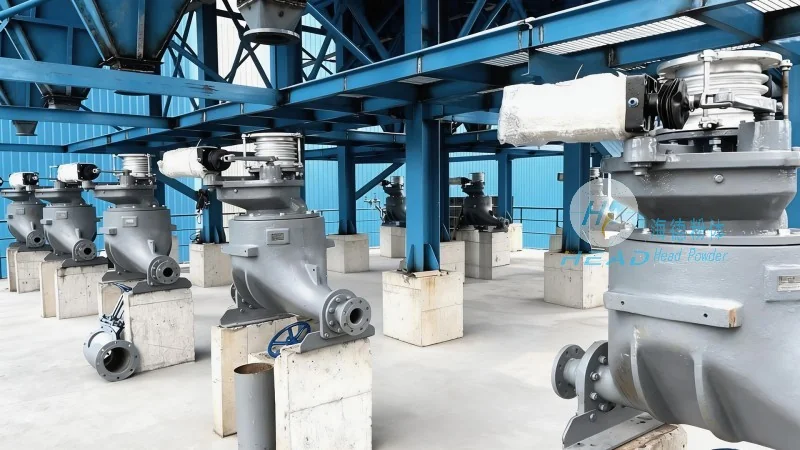
Overview of Pneumatic Conveying for Sodium Nitrate
Pneumatic conveying systems are widely used in the chemical industry for transporting bulk materials like sodium nitrate, especially when the material has a certain moisture content. The equipment from HeadPowder is engineered to efficiently handle these conditions, ensuring stable and reliable material transport. The system typically consists of a hopper, a rotary airlock valve, a conveyor pipe, and a dust collector, all working in tandem to move the material from the source to the destination.
The Operation Process of the Equipment
The operation process of the pneumatic conveying machine for moisture - containing sodium nitrate involves several key steps. First, the material is fed into the hopper from the storage silo. The rotary airlock valve then regulates the flow of the material into the conveyor pipe. Simultaneously, a fan or blower generates a high - pressure air stream that propels the material through the pipe. The material is carried by the air flow and deposited at the discharge point. The system is designed to maintain a consistent air pressure and flow rate to ensure smooth material transport, minimizing blockages and ensuring the material reaches the target location without degradation.
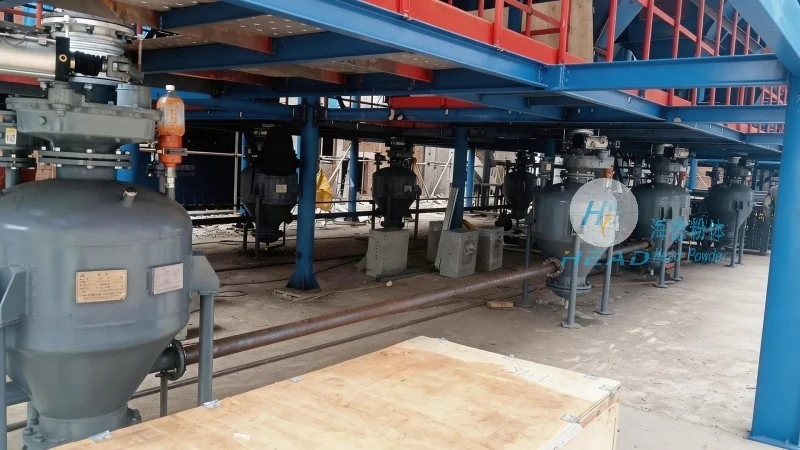
Working Principle of the Pneumatic Conveying System
The core working principle of the pneumatic conveying equipment is based on the interaction between the material and the air flow. The system uses a positive pressure or negative pressure method. In the positive pressure system, the fan supplies compressed air to push the material forward. In the negative pressure system, the fan creates a vacuum to draw the material into the pipe. For moisture - containing sodium nitrate, the equipment is optimized to handle the material's properties, such as its moisture content and particle size, to prevent caking or blockages. The design includes features like a heated hopper or a moisture - control system to maintain the material's condition during transport. The air flow velocity is carefully controlled to ensure the material is fully suspended and transported efficiently without causing excessive wear on the equipment components.
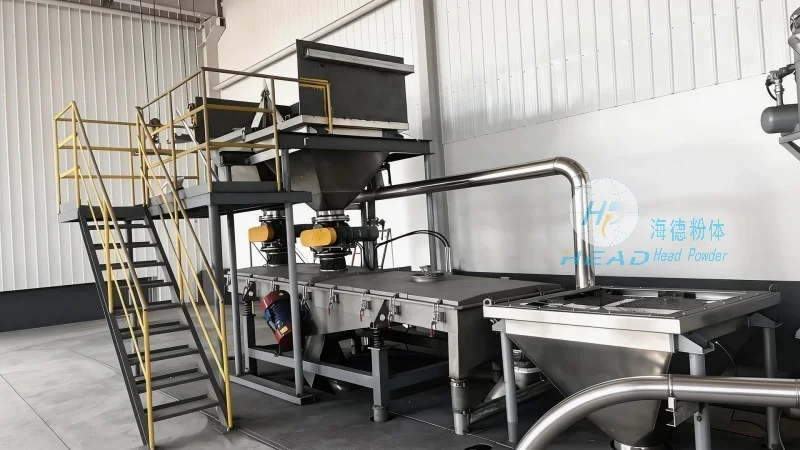
Key Features and Benefits of HeadPowder's Equipment
HeadPowder's pneumatic conveying equipment for sodium nitrate offers several advantages. The system is highly efficient in terms of energy consumption and material handling capacity. It reduces the need for manual handling, improving safety and operational efficiency. The equipment is also designed for easy maintenance, with accessible components that can be serviced quickly. Additionally, the system can be customized to meet specific process requirements, such as varying material flow rates or different discharge locations. The use of high - quality materials and advanced manufacturing techniques ensures the equipment has a long service life and reliable performance.
Application Scenarios
The pneumatic conveying equipment from HeadPowder is suitable for various applications in the chemical and fertilizer industries. It can be used in the production process of sodium nitrate, where the material needs to be transported from the reaction tank to the packaging area. The equipment is also applicable in storage facilities, where the material is moved between silos or storage tanks. The system's ability to handle moisture - containing materials makes it ideal for processes where the material's moisture content is not fully controlled, ensuring consistent and reliable transport.