

[VACUUM DILUTE PHASE PNEUMATIC CONVEYING SYSTEMS: AN OVERVIEW OF STRUCTURE AND PRINCIPLES]
HeadPowder, or Shandong HeadPowder Engineering Co., Ltd., is a professional manufacturer based in Shandong, China, specializing in the design, development, and production of advanced pneumatic conveying systems. The company focuses on providing efficient and reliable solutions for material handling in various industrial applications.
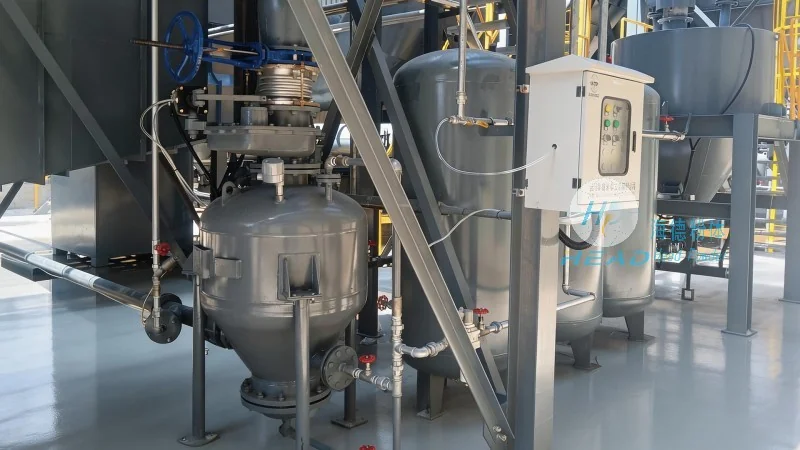
Overview of Vacuum Dilute Phase Pneumatic Conveying Systems
Vacuum dilute phase pneumatic conveying systems are a type of material transport technology that uses low-pressure air to move bulk materials through a pipeline. Unlike positive pressure systems, vacuum systems operate by creating a negative pressure environment at the receiving end, drawing material from the source into the pipeline. This method is particularly effective for transporting materials over moderate distances and is widely used in industries such as food, pharmaceuticals, chemicals, and powders processing.
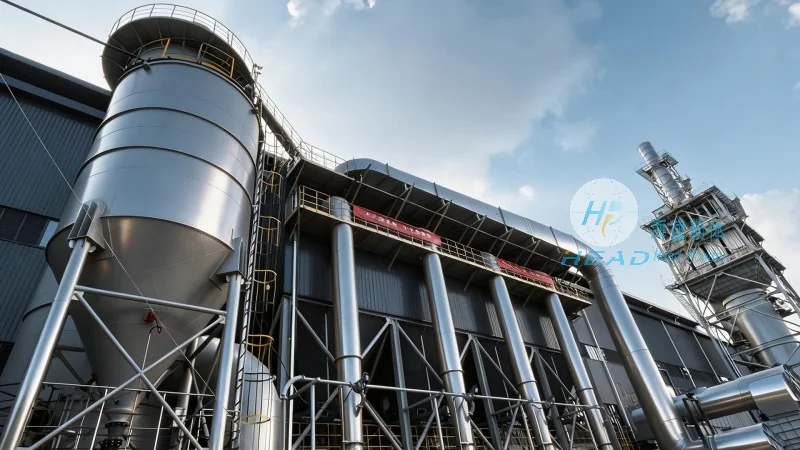
Structural Principles and Components
The core components of a vacuum dilute phase pneumatic conveying system include the material feed hopper, vacuum pump, conveying pipeline, and receiving hopper. The material feed hopper is designed to hold the bulk material and is equipped with a feeder that controls the flow rate. The vacuum pump generates the negative pressure required to draw the material into the pipeline. The conveying pipeline is typically made of stainless steel or other corrosion-resistant materials to ensure durability and prevent material contamination. The receiving hopper collects the material at the end of the pipeline and is equipped with a discharge valve for material removal.
Working Principle and Operational Mechanism
The operation of a vacuum dilute phase system begins with the material being fed from the source hopper into the feeder. The feeder then releases the material into the conveying pipeline, where it is entrained by the low-pressure air flow generated by the vacuum pump. The air and material mixture travels through the pipeline to the receiving hopper, where the material is separated from the air and collected. The air is then discharged from the system, completing the cycle. This process is continuous and can be controlled to maintain a consistent flow rate and material quality.
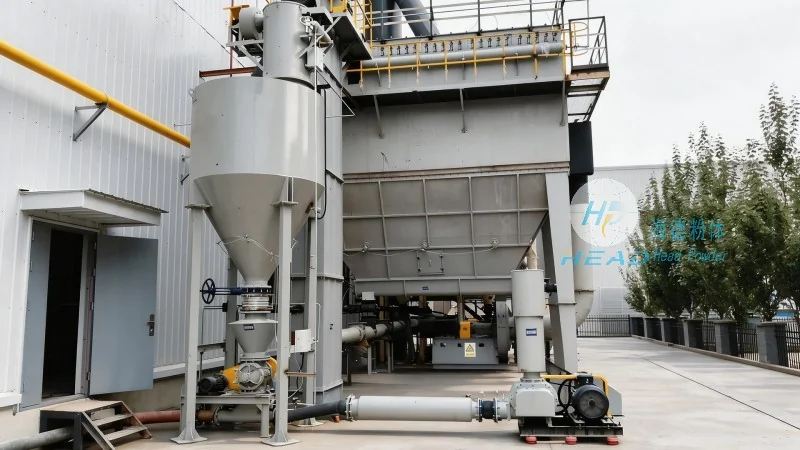
Advantages and Applications
Vacuum dilute phase systems offer several advantages, including low material degradation, minimal product contamination, and the ability to handle a wide range of materials, from fine powders to granules. They are particularly suitable for applications where product purity is critical, such as in the food and pharmaceutical industries. Additionally, these systems are energy-efficient and can be integrated into existing industrial setups with minimal modifications.