

Introduction to Loess Powder Pneumatic Conveying System: Structure and Working Principle
Loess, a type of fine-grained soil prevalent in certain regions, presents unique challenges in material handling due to its high moisture content and cohesive properties. The pneumatic conveying system designed for loess material transport offers an efficient solution to overcome these challenges, ensuring safe, reliable, and cost-effective material transfer. This article provides an overview of the loess pneumatic conveying system, detailing its structural components and operational principles.
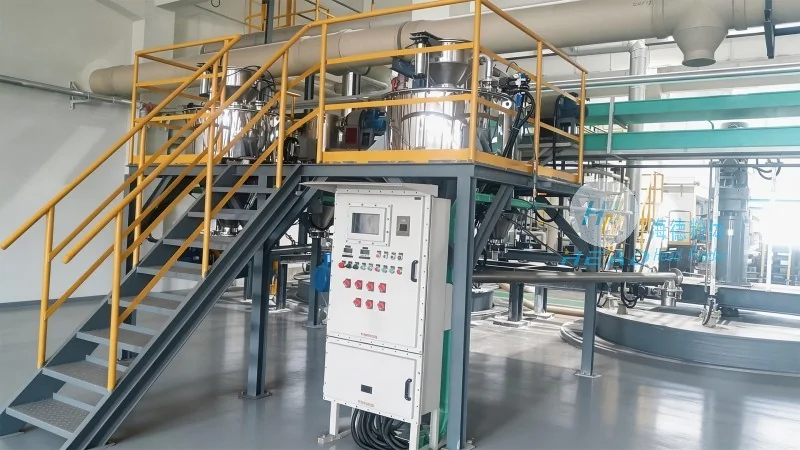
HeadPowder, a leading engineering company based in Shandong, China, specializes in the design, manufacturing, and installation of advanced pneumatic conveying systems tailored for various industrial applications. With a strong commitment to innovation and quality, HeadPowder has developed a comprehensive solution for loess powder handling, addressing the specific needs of industries such as construction, mining, and agricultural processing.
Key Structural Components of the Loess Pneumatic Conveying System
The loess pneumatic conveying system consists of several critical components that work in tandem to achieve efficient material transport. The primary components include the material feeding unit, air supply system, conveying pipeline, and material discharge unit. Each component is meticulously designed to handle the unique characteristics of loess, ensuring optimal performance and minimal operational issues.
The material feeding unit is responsible for introducing loess powder into the system. It typically features a hopper with a feeding valve, which controls the flow rate of the material. The hopper is equipped with a vibration or agitator mechanism to prevent material bridging and ensure a consistent feed. This component is crucial for maintaining a stable material flow, as loess can be prone to caking or sticking under certain conditions.
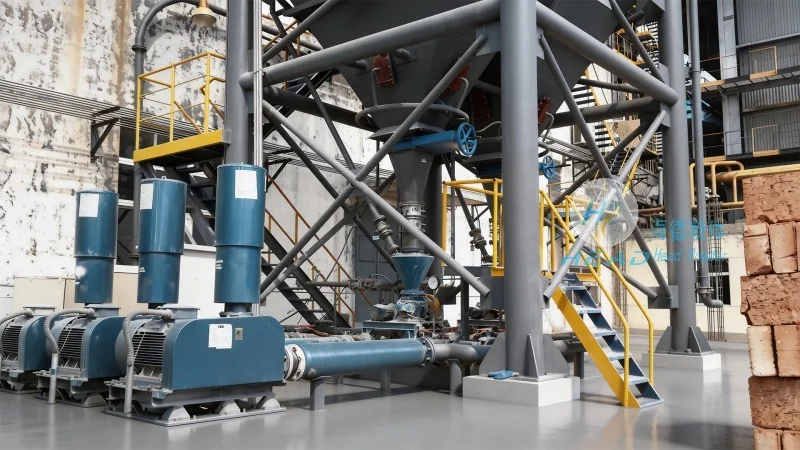
The air supply system provides the necessary pressure and volume of air to move the loess particles through the pipeline. It includes a blower or compressor, air filters, and pressure regulators. The blower is selected based on the system's required air volume and pressure, ensuring it can handle the density and particle size of loess. The air filters are essential to prevent dust and debris from entering the system, which could damage the blower or affect the material quality.
The conveying pipeline is the core of the system, responsible for transporting the loess particles from the feeding point to the discharge point. The pipeline is typically made of stainless steel or other corrosion-resistant materials to withstand the abrasive nature of loess. It is designed with appropriate bends and elbows to minimize pressure loss and ensure smooth material flow. The pipeline diameter is selected based on the material flow rate and particle size, optimizing the system's efficiency.
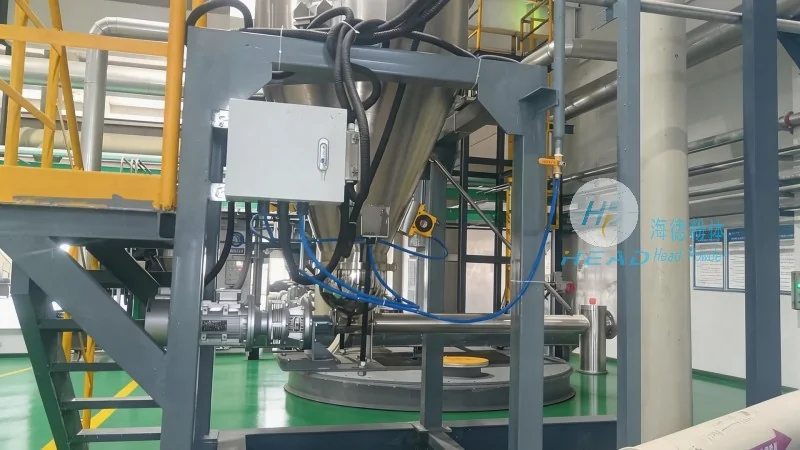
The material discharge unit is where the loess is released from the system. It includes a receiver or hopper where the material accumulates, and a discharge valve to control the outflow. The receiver is often equipped with a level indicator to monitor the material level, ensuring proper operation. The discharge valve can be automated or manual, depending on the application requirements. This component is critical for preventing material backflow and ensuring a clean discharge process.
Working Principle of the Loess Pneumatic Conveying System
The operation of the loess pneumatic conveying system is based on the principle of air flow and particle suspension. The system uses a positive pressure or negative pressure (vacuum) to move the loess particles through the pipeline. In a positive pressure system, the blower supplies compressed air that pushes the material through the pipeline. The air and material mixture travels at high velocity, keeping the particles suspended and preventing them from settling. The system maintains a consistent air pressure to ensure smooth material transport.
In a negative pressure system, a vacuum is created at the discharge end, drawing the loess particles through the pipeline. This method is often used for short-distance or low-volume applications. The system uses a fan or vacuum pump to create the negative pressure, which pulls the material from the feeding point to the discharge point. The air flow rate is carefully controlled to maintain the particle suspension and prevent blockages.
The key to efficient operation is the balance between air flow and material feed rate. If the air flow is too low, the loess particles may settle and cause blockages. If the air flow is too high, the system may experience excessive pressure loss and energy consumption. HeadPowder's engineers optimize the system design to achieve the ideal air-to-material ratio, ensuring reliable and energy-efficient operation.
Advantages of the Loess Pneumatic Conveying System
The loess pneumatic conveying system offers several advantages over traditional material handling methods. One of the primary benefits is the ability to handle fine-grained materials like loess without the need for mechanical components that can cause wear and tear. The system is also capable of transporting materials over long distances, making it suitable for large-scale industrial applications. Additionally, the system is relatively low maintenance, as it has fewer moving parts compared to belt conveyors or bucket elevators.
Another advantage is the reduced risk of material contamination. The enclosed pipeline system prevents dust and debris from entering the environment, which is particularly important for loess, as it can be a source of air pollution. The system also minimizes material spillage and loss, improving overall material efficiency. HeadPowder's loess pneumatic conveying systems are designed with these advantages in mind, providing a sustainable and efficient solution for industries dealing with loess materials.
Application Scenarios and Customization Options
The loess pneumatic conveying system is widely used in various industries, including construction, mining, and agricultural processing. In construction, it is used to transport loess for brick-making or concrete production. In mining, it is used to transport loess from stockpiles to processing facilities. In agricultural processing, it is used to handle loess-based fertilizers or soil amendments.
HeadPowder offers customized solutions to meet the specific requirements of each application. The system can be designed for different material flow rates, pipeline lengths, and operating pressures. The company also provides options for different air supply systems, such as positive pressure or negative pressure, based on the customer's needs. Additionally, the system can be integrated with other equipment, such as storage silos or processing units, to create a complete material handling solution.
Conclusion
The loess pneumatic conveying system is an effective and efficient solution for handling fine-grained loess materials. With its robust structural design and optimized operational principles, the system provides reliable material transport while minimizing operational costs. HeadPowder, as a leading engineering company based in Shandong, China, offers high-quality loess pneumatic conveying systems tailored to meet the diverse needs of industries. By leveraging advanced engineering and innovative design, HeadPowder ensures that its systems deliver superior performance and long-term value to its customers.