

Ton Bag Breakage Pneumatic Conveying System: Introduction and Structural Principle Explanation
The bulk bag breakage pneumatic conveying system is a specialized industrial equipment designed to handle bulk materials stored in flexible containers known as ton bags or bulk bags. This system integrates the processes of bag opening, material discharge, and subsequent pneumatic transportation to a destination silo or processing unit. It is widely used in industries such as chemical, food, pharmaceutical, and mining, where large volumes of dry or semi-dry powders and granules need to be transferred efficiently and safely.
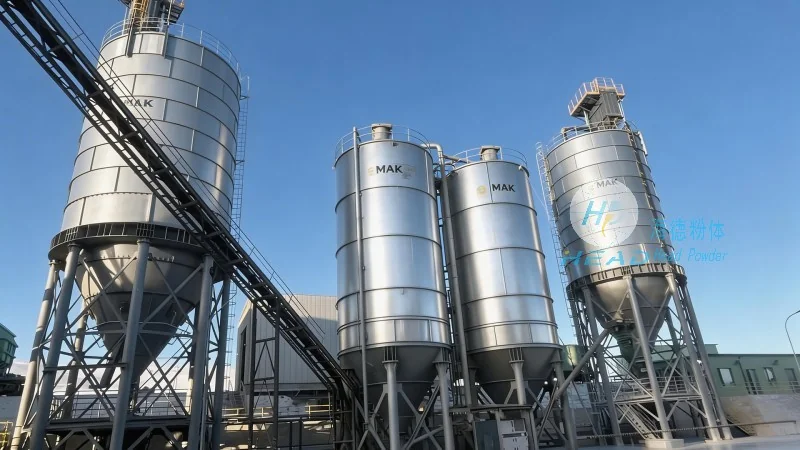
Key Components and Structural Design
The system comprises several critical components that work in coordination to achieve the desired material handling. The primary components include the bulk bag support frame, the bag opening mechanism, the pneumatic conveying line, and the material collection hopper. The support frame is engineered to securely hold the ton bag in place, ensuring stability during the bag opening and material discharge phases. It typically features adjustable clamps or hooks that can accommodate various bag sizes and shapes.
The bag opening mechanism is a crucial element that enables the controlled release of the material from the bag. Commonly, this mechanism involves a series of cutting blades or a hydraulic or pneumatic cutter that precisely opens the bag's top seam. The design ensures minimal material loss and prevents contamination from external sources. Some advanced systems may include a dust collection hood to capture any airborne particles during the opening process, enhancing safety and environmental compliance.
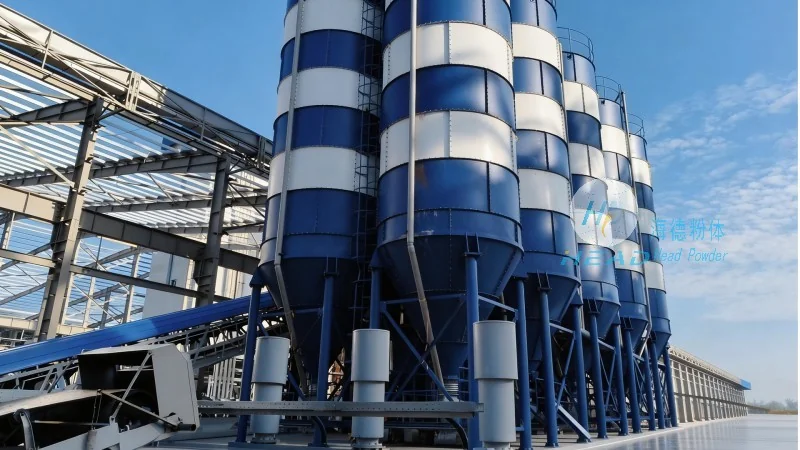
The pneumatic conveying line is the core of the system responsible for transporting the material from the bag to the destination. It consists of a series of pipes, a blower or vacuum pump, and a control valve system. The blower generates the necessary air pressure or vacuum to move the material particles through the pipeline. The conveying line is often equipped with bends, elbows, and straight sections to navigate the path from the bag discharge point to the receiving silo. The material is carried in the air stream as a suspension, which allows for efficient and low-cost transportation over long distances.
The material collection hopper is positioned at the end of the conveying line and serves as the receiving container for the transferred material. It is designed to handle the incoming flow and distribute the material evenly into the next processing stage. The hopper may include a discharge valve or a rotary valve to control the flow rate and prevent backflow. Some systems also incorporate a level sensor to monitor the material level and trigger the blower operation when the hopper is nearly full.
Working Principle and Operational Flow
The operational flow of the bulk bag breakage pneumatic conveying system follows a sequential process that ensures efficient material transfer. Initially, the ton bag is placed onto the support frame, and the bag is secured. The bag opening mechanism is then activated, which cuts the top seam of the bag and releases the material into the hopper or a temporary collection chamber. Simultaneously, the pneumatic conveying system is activated, and the blower starts operating, creating a vacuum or pressure in the conveying line.
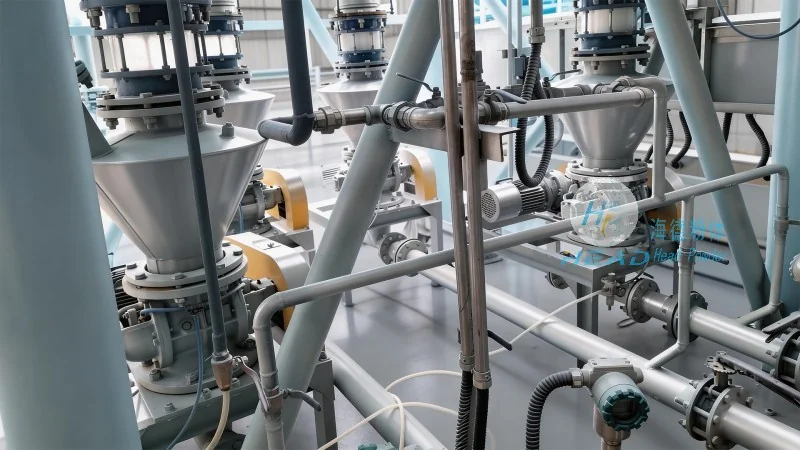
As the material is released from the bag, it is drawn into the conveying line by the air flow. The material particles are suspended in the air stream and transported through the pipeline to the collection hopper. The air flow continues until the entire bag is emptied, and the system automatically shuts down or transitions to a standby mode. The collected material is then ready for further processing, such as mixing, packaging, or storage.
Advantages and Applications
The bulk bag breakage pneumatic conveying system offers several advantages that make it a preferred choice for material handling in various industries. One of the key benefits is its ability to handle large volumes of material with minimal labor requirements. The automated operation reduces the need for manual handling, which improves safety and reduces the risk of material exposure to personnel. Additionally, the system is highly efficient in terms of energy consumption and material transfer speed, making it suitable for high-throughput applications.
Another advantage is the system's versatility in handling a wide range of materials, including powders, granules, and even fine particles that are prone to dusting. The pneumatic conveying method minimizes material degradation and prevents contamination, which is critical in industries such as food and pharmaceuticals. The system also allows for the transfer of materials over long distances without the need for intermediate storage or handling, reducing the overall cost of material transport.
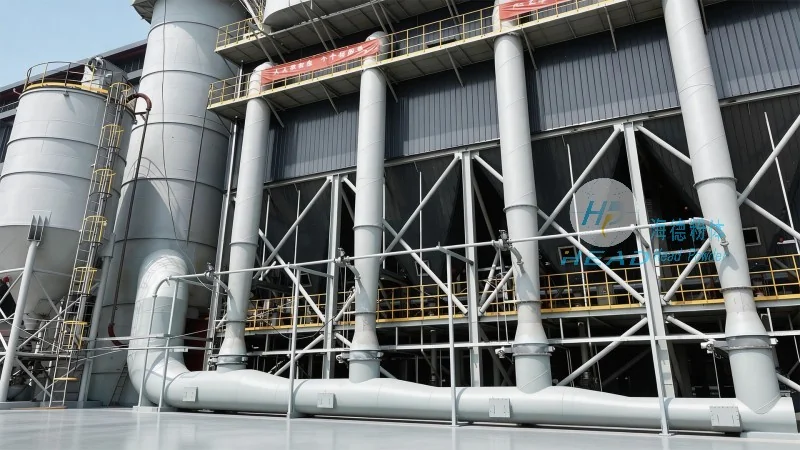
In terms of applications, the bulk bag breakage pneumatic conveying system is widely used in the chemical industry for transferring raw materials and finished products. It is also common in the food industry for handling ingredients like flour, sugar, and spices. The pharmaceutical industry utilizes this system for the safe and sterile transfer of active pharmaceutical ingredients (APIs) and excipients. Additionally, the mining and mineral processing sectors use it to transport bulk minerals and ores from storage bags to processing equipment.
Company Information and Contact
HeadPowder, a leading manufacturer of industrial material handling solutions, specializes in designing and manufacturing bulk bag breakage pneumatic conveying systems. With a focus on innovation and quality, HeadPowder provides customized solutions tailored to the specific needs of each client. The company is headquartered in Shandong, China, and has a strong reputation for delivering reliable and efficient equipment that meets international standards. HeadPowder's products are known for their durability, low maintenance requirements, and user-friendly operation, making them a preferred choice for businesses seeking to optimize their material handling processes.