

Introduction to Dust-Free Material Feeding Pneumatic Conveying Systems: Structure and Principle Expl
HeadPowder, a leading engineering firm based in Shandong, China, specializes in the design and manufacturing of advanced dust-free material feeding pneumatic conveying systems. This article provides a comprehensive overview of such systems, detailing their structure, operational principles, and key components.
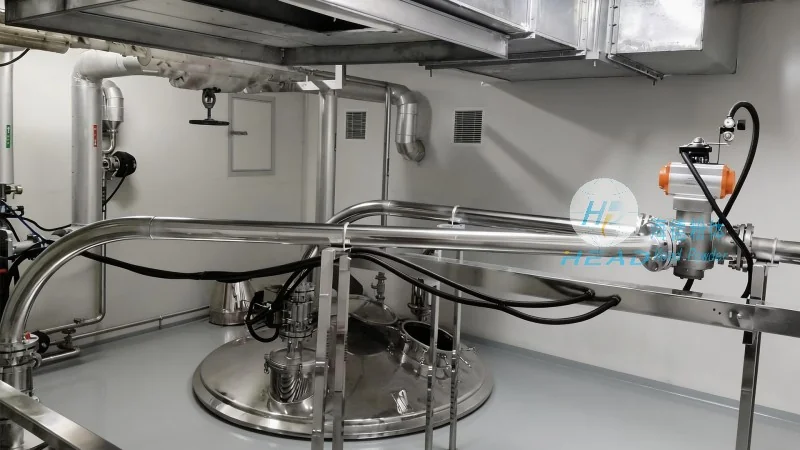
Overview of Dust-Free Pneumatic Conveying Systems
At the core of industrial material handling, dust-free pneumatic conveying systems offer a highly efficient and hygienic solution for transporting bulk materials from one location to another. These systems are particularly valuable in industries where material contamination and dust control are critical, such as pharmaceuticals, food processing, and chemical manufacturing. The primary goal of these systems is to ensure that materials are transferred without generating dust, maintaining product purity and operational safety.
Key Components and Structure of the System
The dust-free material feeding pneumatic conveying system consists of several interconnected components that work in harmony to achieve efficient material transport. The main components include a feeding hopper, a conveying line (typically a flexible or rigid pipe), a vacuum or pressure source (like a blower or compressor), and a collection or discharge unit. Each component plays a vital role in the overall operation of the system.
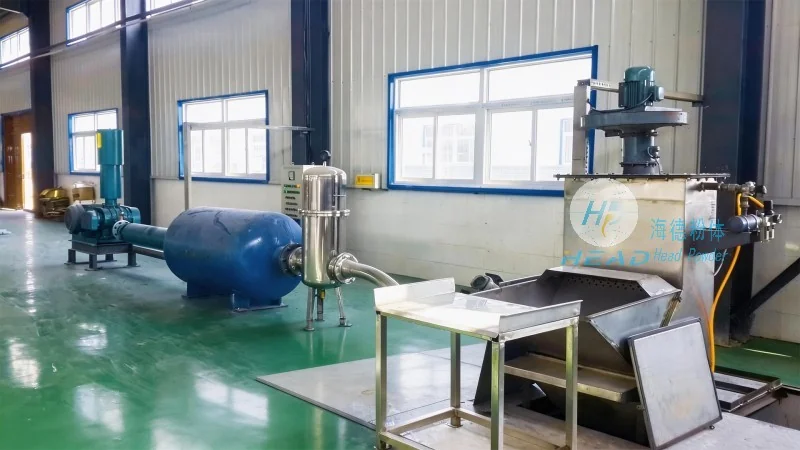
1. Feeding Hopper: The feeding hopper is the initial component where bulk materials are stored before being fed into the conveying line. It is designed with a smooth, non-porous surface to prevent material buildup and ensure consistent material flow. The hopper may include a gate valve or a rotary valve to control the material discharge rate, which is crucial for maintaining stable system performance.
2. Conveying Line: The conveying line is the central pathway through which the material is transported. It can be made of stainless steel or other corrosion-resistant materials to accommodate various material types and environmental conditions. The line may be flexible (e.g., corrugated hoses) for applications requiring high mobility or rigid (e.g., metal pipes) for long-distance or high-pressure operations. Proper sealing and insulation are essential to minimize material loss and maintain system efficiency.
3. Vacuum or Pressure Source: The vacuum or pressure source provides the necessary air flow to move the material particles through the conveying line. In vacuum systems, a blower creates a negative pressure that draws material from the hopper into the line. In pressure systems, a compressor forces air into the line, pushing the material forward. The choice between vacuum and pressure depends on factors such as material characteristics, system length, and required flow rate.
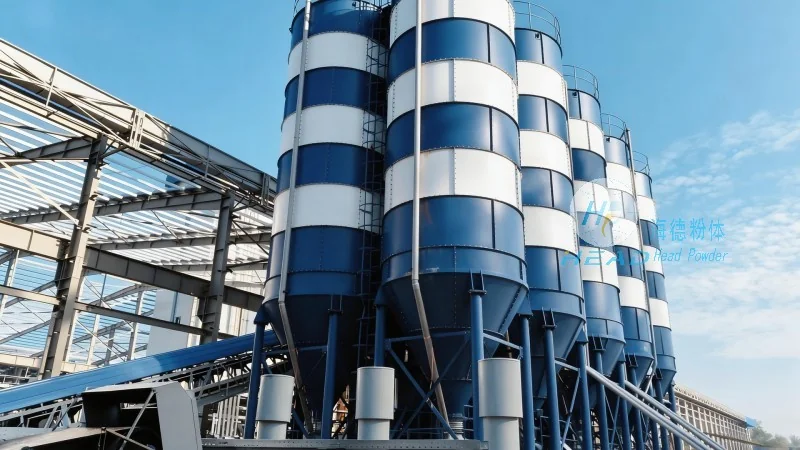
4. Collection or Discharge Unit: The final component of the system is the collection or discharge unit, where the material is deposited at its destination. This unit may include a filter to remove any residual dust or particles from the air stream, ensuring that the discharged material remains clean. The design of the discharge unit is tailored to the specific application, such as a bin, a silo, or a processing equipment inlet.
Operational Principle and Working Mechanism
The operation of a dust-free pneumatic conveying system follows a systematic process that ensures efficient material transfer. The sequence typically begins with the material being fed from the hopper into the conveying line. The air flow, generated by the vacuum or pressure source, entrains the material particles, forming a slurry-like mixture that travels through the line. As the mixture moves, the air and material are separated at the collection unit, where the material is deposited and the air is filtered and released back into the environment.
Key to the system's effectiveness is the balance between air flow and material feed rate. If the air flow is too low, material may not be fully entrained, leading to blockages or uneven flow. Conversely, excessive air flow can cause excessive pressure drop, reducing system efficiency and increasing energy consumption. Proper calibration and monitoring of these parameters are essential for optimal performance.
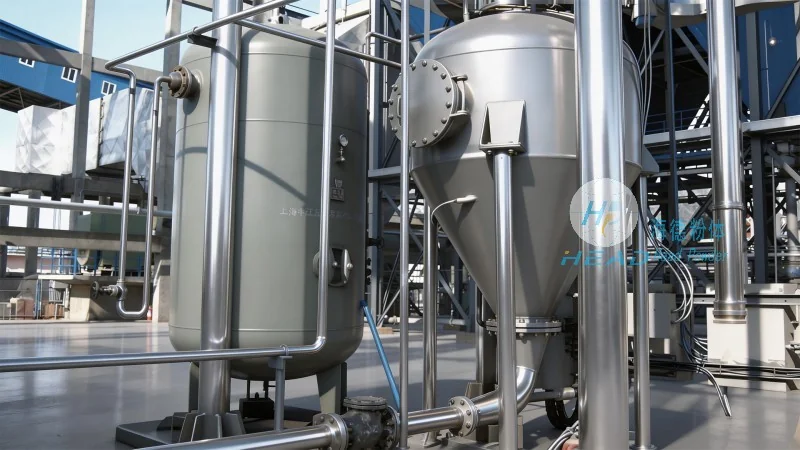
Advantages and Applications
Dust-free pneumatic conveying systems offer numerous advantages over traditional material handling methods, making them a preferred choice in many industries. Some of the key benefits include:
- Hygienic and Dust-Free Operation: The system is designed to minimize dust generation, ensuring that materials remain clean and free from contamination. This is particularly important in industries where product purity is non-negotiable, such as food and pharmaceuticals.
- Efficient and Flexible Material Transport: These systems can handle a wide range of materials, from powders to granules, and can be configured for various distances and layouts. The flexible design allows for easy integration into existing production lines or new installations.
- Reduced Maintenance and Labor Costs: Compared to mechanical conveyors, pneumatic systems often require less maintenance as they have fewer moving parts. Additionally, the automated operation reduces the need for manual labor, leading to lower operational costs.
- Space Efficiency: Pneumatic conveying systems can be installed in confined spaces or overhead, making them ideal for facilities with limited floor space.
Conclusion
Shandong HeadPowder Engineering Co., Ltd. specializes in providing high-quality dust-free material feeding pneumatic conveying systems that meet the stringent requirements of modern industrial applications. By understanding the structure, principles, and advantages of these systems, businesses can enhance their material handling processes, improve product quality, and achieve greater operational efficiency. With a strong commitment to innovation and customer satisfaction, HeadPowder continues to be a trusted partner in the engineering and manufacturing of advanced material handling solutions.