

Introduction to Plugging Type Pneumatic Conveying Systems and Their Structural Principles
Plugging type pneumatic conveying systems represent a sophisticated solution in material handling technology, designed to efficiently transport bulk materials through a pipeline using a combination of air and material flow. This method is particularly effective for handling powders and granules, offering advantages such as reduced product degradation, lower energy consumption, and enhanced safety compared to traditional conveying methods.
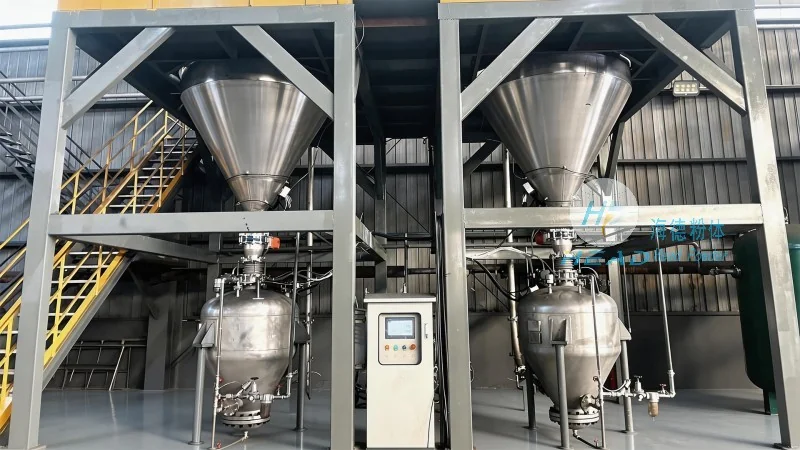
Key Structural Components of Plugging Type Pneumatic Conveying Systems
The core structure of a plugging type pneumatic conveying system typically includes several critical components that work in tandem to achieve effective material transport. The main elements are the feeding unit, the conveying pipeline, the plugging mechanism, and the control system. The feeding unit is responsible for introducing the material into the system, often through a hopper or a feeder that ensures a consistent flow of material. The conveying pipeline, usually made of stainless steel or other corrosion-resistant materials, is designed to withstand the pressures and temperatures associated with the conveying process. The plugging mechanism is a key feature, which involves the formation of a solid plug of material within the pipeline, followed by the movement of this plug under pressure. This mechanism allows for the controlled and efficient transport of materials without the need for continuous air flow at high velocities.
Working Principle of Plugging Type Pneumatic Conveying Systems
The operational principle of plugging type pneumatic conveying systems is based on the creation and movement of material plugs within the pipeline. Initially, the material is fed into the system, and as air is introduced, it forms a dense, solid plug. This plug is then propelled through the pipeline by the pressure of the air, which is maintained at a controlled level. The system uses a sequence of plug formation and movement, allowing for the continuous transport of material over long distances. The plugging mechanism ensures that the material is conveyed in a stable manner, minimizing the risk of material degradation or spillage. The control system plays a crucial role in regulating the air pressure, material feed rate, and plug formation, ensuring optimal performance and efficiency.
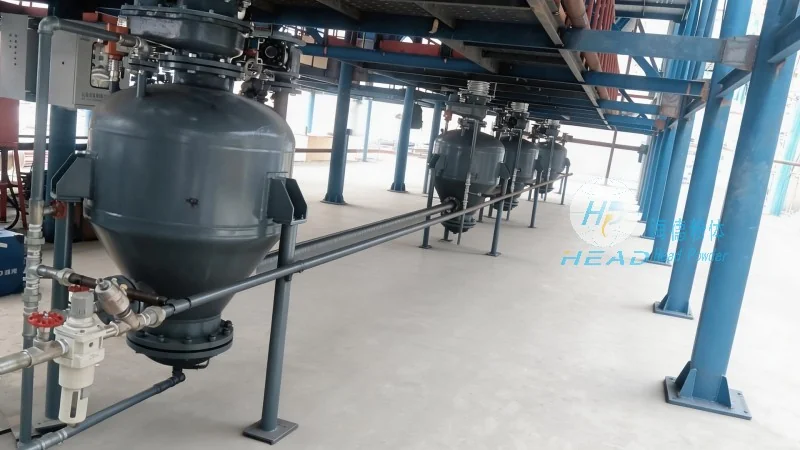
Advantages of Plugging Type Pneumatic Conveying Systems
Plugging type pneumatic conveying systems offer several advantages over conventional pneumatic conveying methods. One of the primary benefits is the reduction in energy consumption, as the system operates at lower air velocities and pressures. This leads to lower operational costs and increased efficiency. Additionally, the method reduces product degradation, as the material is conveyed in a more controlled environment, minimizing friction and impact. The system also enhances safety by reducing the risk of dust explosions and material spillage, making it suitable for handling hazardous materials. Furthermore, the plugging mechanism allows for the transport of materials with varying properties, including those that are abrasive or sensitive to moisture. The system's ability to handle a wide range of materials makes it a versatile solution for various industrial applications.
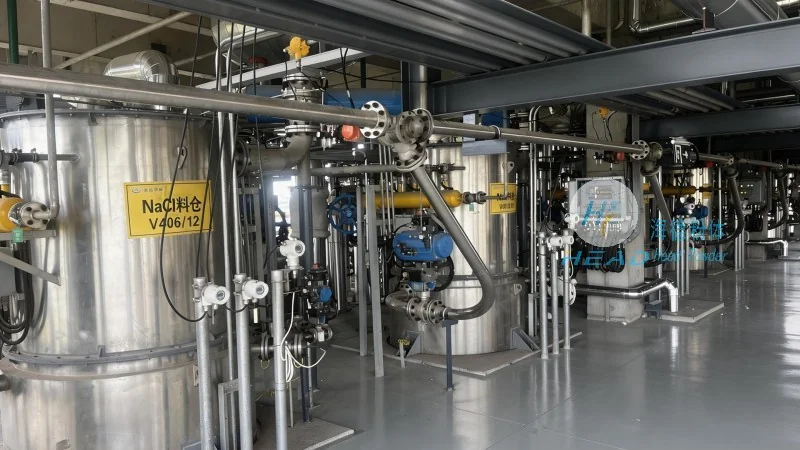
Applications and Industries Utilizing Plugging Type Pneumatic Conveying Systems
Plugging type pneumatic conveying systems are widely used in various industries due to their versatility and efficiency. In the pharmaceutical industry, they are used to transport powders and granules with high purity requirements, ensuring that the materials remain uncontaminated. In the food industry, the system is employed to handle food-grade powders and ingredients, maintaining hygiene and safety standards. The chemical industry also utilizes these systems for transporting chemicals and additives, particularly those that are sensitive to moisture or air. Additionally, the system is used in the mining and mineral processing industries to transport raw materials and byproducts. The ability to handle abrasive and heavy materials makes it suitable for these applications. The system's adaptability to different material types and processing requirements makes it a preferred choice in many industrial sectors.
Company Profile: Shandong HeadPowder Engineering Co., Ltd.
Shandong HeadPowder Engineering Co., Ltd., commonly known as headpowder, is a leading manufacturer and supplier of pneumatic conveying systems, including plugging type solutions. The company is based in Shandong, China, and has established itself as a trusted partner in the material handling industry. With years of experience and expertise, headpowder specializes in designing and manufacturing customized pneumatic conveying systems tailored to the specific needs of its clients. The company's products are known for their high quality, reliability, and efficiency, meeting the demands of various industrial applications. Headpowder's commitment to innovation and customer satisfaction has made it a prominent player in the market, providing advanced solutions for material transport and handling. The company's team of engineers and technicians work closely with clients to understand their requirements and develop solutions that enhance operational efficiency and productivity.