

Introduction to Magnesia Pneumatic Conveying Equipment: Structure and Principle Overview
HeadPowder, a leading enterprise in the field of powder processing technology, specializes in the design, manufacturing, and supply of advanced pneumatic conveying systems tailored for magnesia and other fine powders. This article provides a comprehensive overview of magnesia pneumatic conveying equipment, focusing on its structural design and operational principles. The equipment is engineered to meet the stringent requirements of industrial applications, ensuring efficient, reliable, and safe material handling for magnesia, a critical raw material in refractory production, chemical processing, and construction industries.
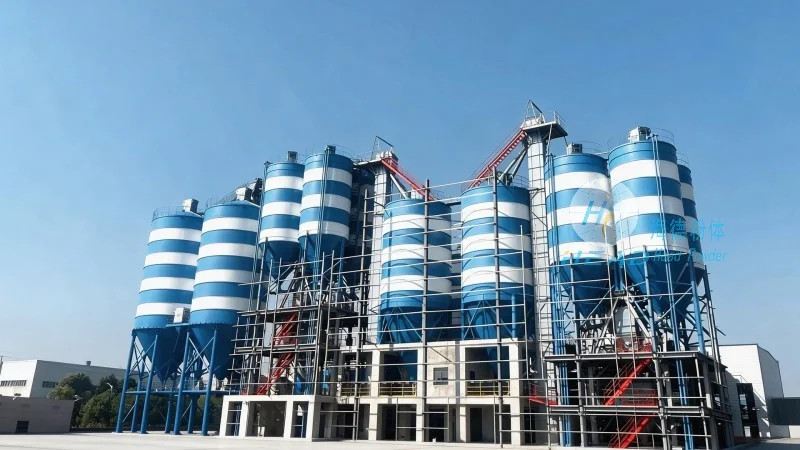
Key Components and Structural Design of Magnesia Pneumatic Conveying Systems
The magnesia pneumatic conveying system consists of several integrated components, each playing a crucial role in the overall operation. The primary components include the material feeding unit, the conveying pipeline network, the air supply system, and the separation and collection equipment. The feeding unit is designed to handle bulk magnesia from storage silos or hoppers, ensuring a consistent and controlled flow into the system. This component typically features a rotary valve or a screw feeder, which can be adjusted to regulate the feed rate, preventing overloading and maintaining system stability.
The conveying pipeline is a network of stainless steel or other corrosion-resistant materials, designed to withstand the abrasive nature of magnesia particles. The pipeline layout is carefully planned to minimize pressure drops and ensure smooth material flow. The system may include bends, elbows, and expansion joints to accommodate changes in direction and elevation, while maintaining the integrity of the material and the equipment. The air supply system, usually powered by a high-pressure blower or a vacuum pump, provides the necessary airflow to transport the magnesia particles through the pipeline. The air velocity is carefully controlled to ensure that the particles are carried efficiently without causing excessive wear on the pipeline or the separation equipment.
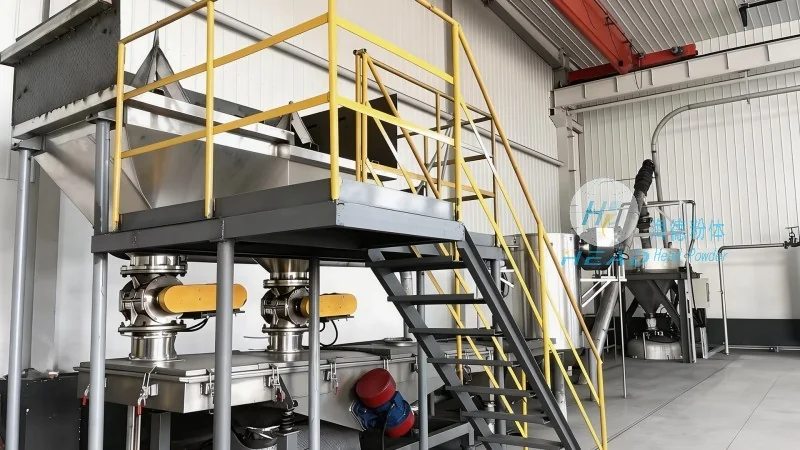
Working Principle of Magnesia Pneumatic Conveying Equipment
The operation of magnesia pneumatic conveying equipment is based on the principle of pneumatic transport, where the material is suspended and transported by a stream of air. The process begins with the material being fed into the pipeline from the feeding unit. As the air is introduced, it creates a low-pressure zone that draws the magnesia particles into the air stream. The particles are then carried along the pipeline at a high velocity, maintaining a suspended state. At the receiving end, the air and particles are separated, typically using a cyclone separator or a bag filter. The separated air is discharged to the atmosphere, while the magnesia particles are collected in a hopper or a storage bin.
Advantages and Applications of Magnesia Pneumatic Conveying Systems
Magnesia pneumatic conveying systems offer several advantages over traditional mechanical conveying methods. These include high efficiency in material transport, reduced labor costs due to automated operation, and improved safety by minimizing manual handling of bulk powders. The systems are also designed to be compact and space-saving, making them suitable for installation in confined industrial spaces. In the refractory industry, magnesia is used to produce high-quality refractory bricks and castables, and the pneumatic conveying system ensures that the material is delivered to the production line without contamination or degradation. In chemical processing, magnesia is used as a filler or a catalyst, and the efficient transport ensures consistent quality of the final products. The construction industry also benefits from the use of magnesia-based materials, such as magnesia cement, where the pneumatic conveying system facilitates the delivery of raw materials to construction sites.
Technical Specifications and Customization Options
HeadPowder offers a range of magnesia pneumatic conveying systems with customizable specifications to meet the specific needs of different industrial applications. The systems can be designed for both pressure and vacuum conveying, depending on the application requirements. The feeding capacity can be adjusted from small-scale laboratory applications to large-scale industrial production lines. The pipeline diameter and length can also be customized to fit the available space and the distance between the feeding and receiving points. The equipment is manufactured using high-quality materials, such as stainless steel, to ensure durability and resistance to corrosion from magnesia particles. The control systems are equipped with advanced sensors and monitoring devices, allowing for real-time monitoring of the system performance and early detection of any issues.
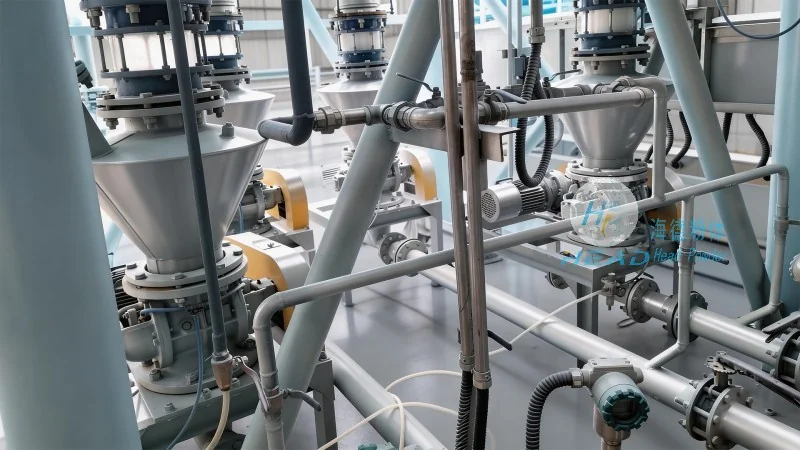
Maintenance and Operational Guidelines for Magnesia Pneumatic Conveying Equipment
Proper maintenance is essential to ensure the long-term performance and reliability of magnesia pneumatic conveying equipment. Regular cleaning of the pipeline and separation equipment is necessary to prevent the accumulation of magnesia particles, which can cause blockages and reduce system efficiency. The air supply system should be checked regularly for any signs of wear or damage, and the filters should be replaced as needed to maintain air quality. The feeding unit should be inspected for any wear or damage to the components, and the feed rate should be adjusted as required to maintain system stability. HeadPowder provides comprehensive maintenance and operational guidelines to ensure that the equipment operates at optimal performance levels. The company also offers technical support and training services to help customers operate and maintain the equipment effectively.
Conclusion
Magnesia pneumatic conveying equipment is a critical component in the efficient and reliable handling of magnesia and other fine powders in various industrial applications. The equipment is designed with advanced structural features and operational principles to ensure high efficiency, safety, and durability. HeadPowder, with its expertise in powder processing technology, provides high-quality magnesia pneumatic conveying systems that meet the stringent requirements of modern industrial applications. By understanding the structural design and operational principles of these systems, users can make informed decisions about the selection and implementation of magnesia pneumatic conveying equipment for their specific needs.