

Introduction to Corn Pneumatic Conveying Equipment: Overview of Structure and Working Principle
For those in the agricultural processing industry, efficient and reliable material handling solutions are crucial for optimizing workflow and ensuring product quality. Among the various technologies available, corn pneumatic conveying equipment stands out as a sophisticated system designed to transport corn and other bulk materials with precision and minimal loss. This article provides an in-depth overview of the structure and working principle of corn pneumatic conveying equipment, highlighting its key components and operational mechanisms.
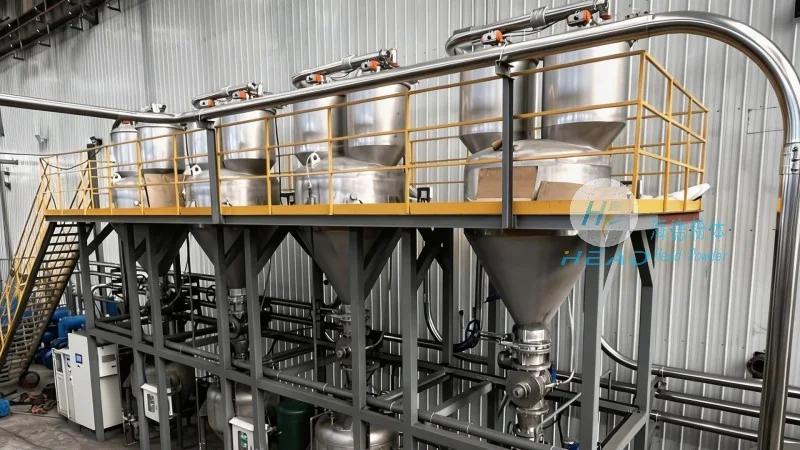
Overview of Corn Pneumatic Conveying Equipment
Corn pneumatic conveying equipment, also known as corn pneumatic transport systems, is a type of bulk material handling system that uses air pressure to move corn and other granular or powdery materials from one location to another. This technology is widely used in corn processing plants, feed mills, and agricultural storage facilities due to its ability to handle large volumes of material with minimal human intervention. The system typically consists of several key components, including a hopper, a conveyor line, a separator, and a dust collector, all working in tandem to ensure efficient and safe material transport.
Key Components and Structural Design
The structural design of corn pneumatic conveying equipment is engineered to maximize efficiency and durability. The primary components include:
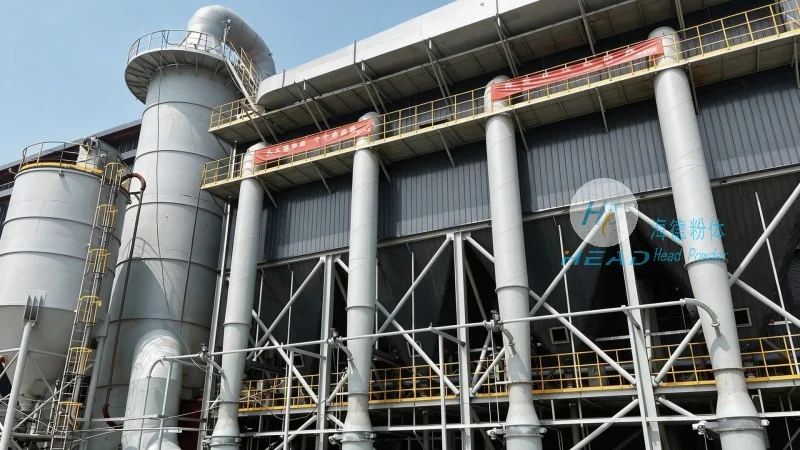
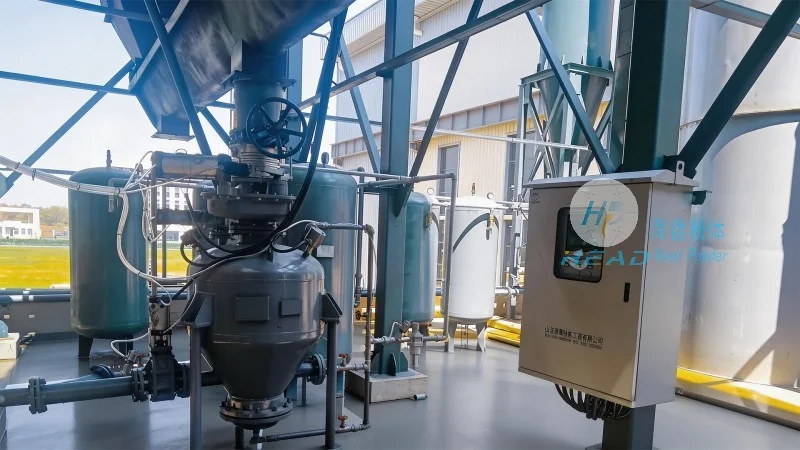
- Hopper: The hopper is the initial storage and feeding unit where corn is loaded. It is designed with a sloped bottom to facilitate smooth material flow into the conveyor line. The hopper is often equipped with a feeder, such as a rotary valve or a screw conveyor, which controls the rate of material discharge.
- Pneumatic Conveyor Line: This is the core of the system, consisting of a series of pipes or tubes through which air and corn particles are transported. The line is typically made of corrosion-resistant materials like stainless steel or PVC to withstand the abrasive nature of corn and prevent material buildup.
- Separator: The separator is a critical component that separates the corn particles from the air stream. It uses a combination of gravity and centrifugal force to separate the solid material from the air, ensuring that the corn is deposited at the desired destination without losing fine particles or causing dust contamination.
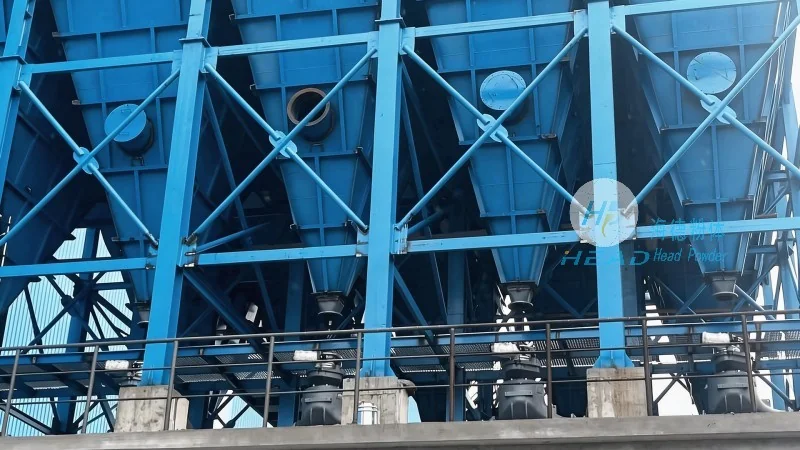
- Dust Collector: To maintain air quality and comply with environmental regulations, a dust collector is integrated into the system. It captures any fine dust or particles that may be carried by the air stream, preventing air pollution and ensuring a clean working environment.
Working Principle of Corn Pneumatic Conveying
The working principle of corn pneumatic conveying equipment is based on the use of air pressure to move material through a closed system. The process begins when corn is fed into the hopper and discharged into the pneumatic conveyor line. As the feeder opens, the corn particles are drawn into the line by a fan or blower that generates a high-pressure air stream. The air and corn particles mix together, forming a dense flow that travels through the conveyor line to the destination point.
At the receiving end, the separator separates the corn from the air. The corn is then deposited into a receiving bin or storage silo, while the air is filtered by the dust collector and released back into the environment. The system operates continuously, with the fan maintaining a consistent air pressure to ensure smooth and uninterrupted material transport.
Advantages and Applications
Corn pneumatic conveying equipment offers several advantages over traditional material handling methods, making it a preferred choice for many industries. Some of the key benefits include:
- Efficiency and Speed: The system can transport large volumes of corn quickly and efficiently, reducing handling time and increasing overall productivity.
- Low Maintenance: With fewer moving parts compared to mechanical conveyors, the pneumatic system requires less maintenance and has a longer service life.
- Minimal Product Loss: The enclosed system minimizes material loss and contamination, ensuring that the corn remains in good condition throughout the transport process.
- Versatility: The system can handle various types of corn, including whole kernels, broken pieces, and even corn with husks, making it suitable for different processing stages.
Applications of corn pneumatic conveying equipment are widespread in the agricultural and food processing sectors. It is commonly used in corn milling plants to transport raw corn from storage to processing units, in feed mills to move corn from storage to mixing and packaging areas, and in agricultural storage facilities to transfer corn between different storage locations. The system's ability to handle bulk materials with precision and reliability makes it an essential component of modern corn processing operations.
About Shandong HeadPowder Engineering Co., Ltd.
Shandong HeadPowder Engineering Co., Ltd., operating under the brand name headpowder, is a leading manufacturer of advanced material handling solutions, including corn pneumatic conveying equipment. With a strong commitment to quality and innovation, the company has established itself as a trusted partner in the agricultural processing industry. HeadPowder's products are designed to meet the specific needs of corn processing facilities, offering high efficiency, durability, and reliability. The company's headquarters is located in Shandong, China, where it continues to develop and improve its technology to provide the best possible solutions for its customers.