

Introduction to Dust Pneumatic Conveying System Equipment and Structural Principles
HeadPowder, a leading manufacturer in the field of dust handling and material transport solutions, specializes in providing advanced pneumatic conveying systems designed to efficiently handle fine powders and granular materials. With a strong commitment to innovation and quality, the company has established itself as a trusted partner for industries requiring reliable and efficient material handling technologies.
Company Overview and Core Expertise
Shandong HeadPowder Engineering Co., Ltd., commonly known as HeadPowder, is headquartered in Shandong, China. The company focuses on the research, development, manufacturing, and application of pneumatic conveying equipment tailored for various industrial sectors. By leveraging decades of experience and continuous technological advancements, HeadPowder delivers solutions that meet the stringent demands of modern material handling processes. The company's expertise spans a wide range of applications, including chemical, pharmaceutical, food processing, and mining industries, where the safe and efficient transport of powders is critical.
Key Components of Pneumatic Conveying Systems
A pneumatic conveying system is a complex yet efficient mechanism designed to transport bulk materials through a pipeline using air or gas as the conveying medium. The core components of such a system typically include a feeding device, a conveying pipeline, a control system, and a discharge unit. Each component plays a crucial role in ensuring the smooth and reliable operation of the entire system.
The Feeding Device: Ensuring Consistent Material Input
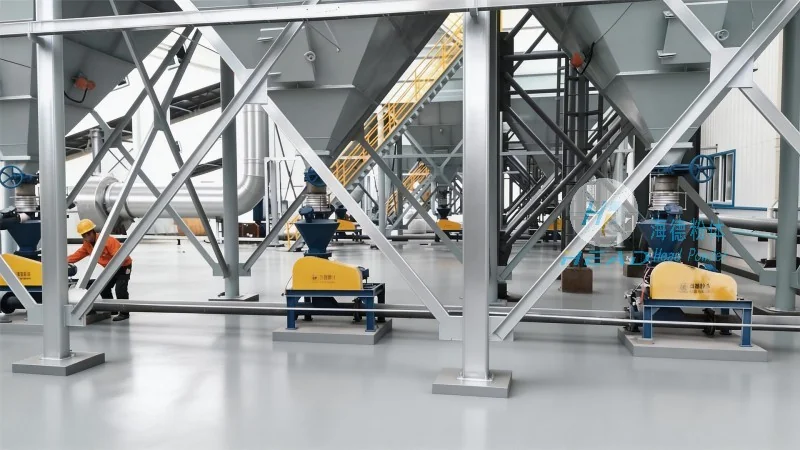
The feeding device is the initial stage of the pneumatic conveying system, responsible for introducing the material into the pipeline. This component must be designed to handle the specific characteristics of the material, such as particle size, moisture content, and flowability. Common feeding devices include rotary valves, star feeders, and screw feeders, each offering unique advantages depending on the application requirements. The feeding device ensures a consistent and controlled flow of material, preventing blockages and maintaining system efficiency.
The Conveying Pipeline: The Heart of the System
The conveying pipeline serves as the main channel through which the material is transported. It is typically made of materials like stainless steel, PVC, or plastic, chosen based on the material's properties and the operating conditions. The design of the pipeline, including its diameter, length, and bends, is critical to minimize pressure drop and prevent material deposition or clogging. The pipeline may also incorporate features such as pressure relief valves and inspection ports to facilitate maintenance and monitoring.
The Control System: Maintaining Optimal Operation
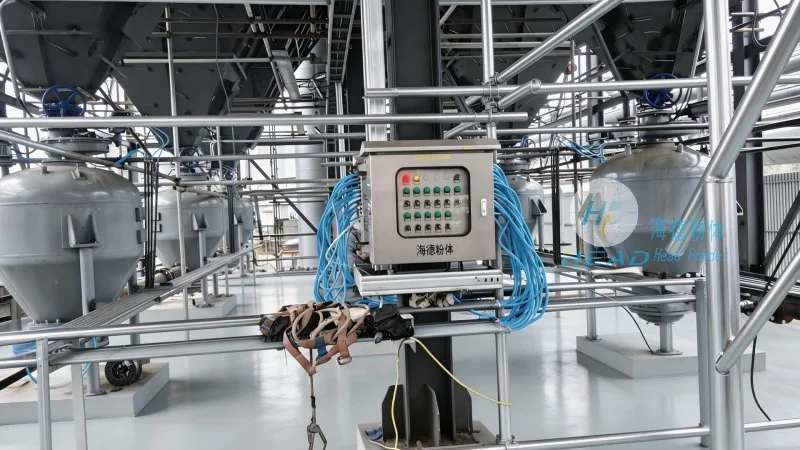
The control system is responsible for regulating the air flow, pressure, and material flow within the pneumatic conveying system. It ensures that the system operates within safe and efficient parameters, preventing overloading or underperformance. Modern control systems often incorporate sensors and automation technologies to provide real-time monitoring and adjustment, enhancing the system's reliability and reducing downtime. The control system may include components like air compressors, vacuum pumps, and control panels, all working in tandem to maintain optimal operation.
The Discharge Unit: Delivering Material to the Destination
The discharge unit is the final stage of the pneumatic conveying system, responsible for releasing the material from the pipeline at the desired location. This component must be designed to handle the material's characteristics and the system's operating conditions, ensuring a smooth and controlled discharge. Common discharge units include rotary valves, bagging machines, and silos, each tailored to specific application needs. The discharge unit ensures that the material is delivered accurately and without spillage, maintaining the integrity of the material and the cleanliness of the environment.
Structural Principles and Operational Efficiency
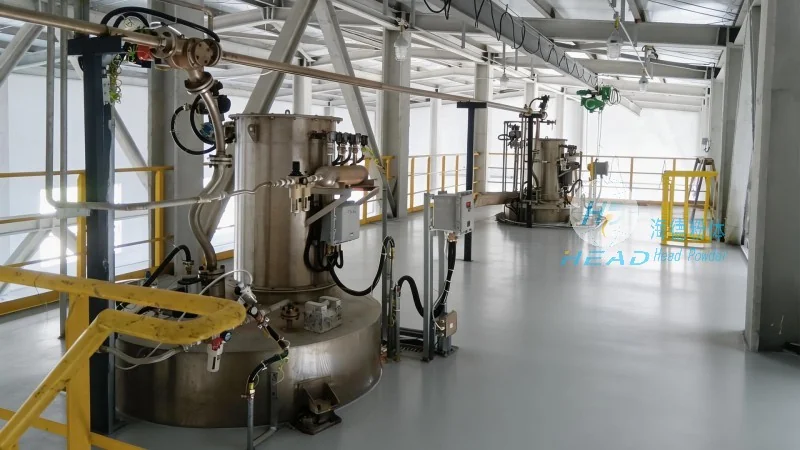
The structural principles of a pneumatic conveying system are centered on maintaining a balance between pressure, flow, and material characteristics. The system operates by creating a pressure differential between the inlet and outlet, using air or gas to move the material through the pipeline. The efficiency of the system depends on several factors, including the type of conveying system (positive or negative pressure), the material's properties, and the design of the components. Positive pressure systems use compressed air to push the material forward, while negative pressure systems use vacuum to pull the material. The choice of system depends on the application requirements, such as the distance, material type, and environmental considerations.
Advantages of Pneumatic Conveying Systems
Pneumatic conveying systems offer several advantages over traditional material handling methods, making them a preferred choice for many industries. These advantages include the ability to handle fine and abrasive materials, the flexibility to transport materials over long distances, and the ability to integrate with existing processes. The systems are also relatively compact and can be installed in various configurations, including vertical and horizontal layouts. Additionally, pneumatic conveying systems can be designed to meet specific safety and environmental requirements, ensuring compliance with industry regulations.
Applications and Industry Impact
The applications of pneumatic conveying systems are diverse and widespread across various industries. In the chemical industry, these systems are used to transport powders and granules for processing and packaging. In the pharmaceutical industry, they are employed to handle sensitive materials while maintaining strict hygiene standards. The food processing industry utilizes pneumatic conveying systems to transport ingredients and finished products, ensuring food safety and quality. In the mining and mineral processing sectors, these systems are used to transport raw materials and byproducts, improving operational efficiency and reducing labor costs.
Conclusion and Future Outlook
HeadPowder's commitment to providing high-quality pneumatic conveying systems has positioned the company as a leader in the industry. By focusing on innovation, reliability, and customer satisfaction, HeadPowder continues to develop advanced solutions that meet the evolving needs of modern industries. The structural principles and operational efficiency of these systems ensure that they remain a vital component in material handling processes, contributing to increased productivity and reduced operational costs. As technology advances, the future of pneumatic conveying systems looks promising, with continued improvements in efficiency, safety, and sustainability.