

Introduction to Organic Fertilizer Pneumatic Conveying System Equipment and Its Structural Principle
Organic fertilizer pneumatic conveying systems are critical in modern agricultural and industrial operations, designed to efficiently transport bulk organic materials such as compost, manure, and other organic fertilizers. These systems utilize pneumatic technology to move materials through pipelines, offering advantages over traditional mechanical conveying methods including reduced labor costs, improved hygiene, and enhanced safety. Shandong HeadPowder Engineering Co., Ltd., a leading manufacturer of specialized engineering solutions, has developed advanced systems tailored to the unique demands of organic fertilizer handling. The equipment typically comprises several key components, including a material hopper, feeder, air compressor, and a network of pipelines, each playing a vital role in the overall operation.
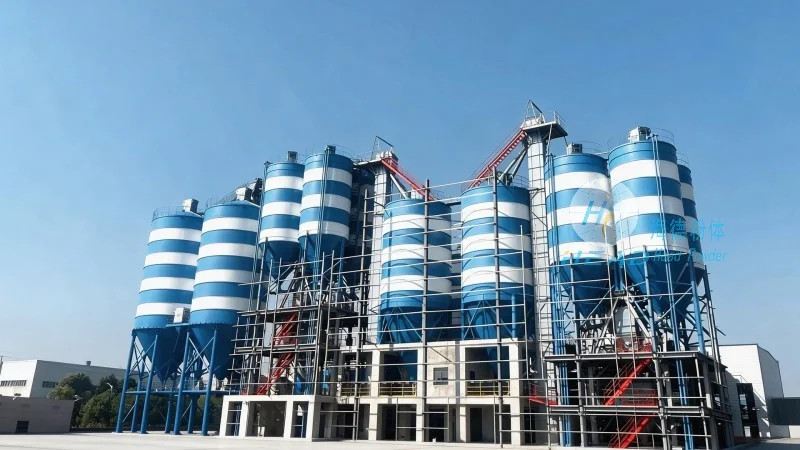
Structural Principles of the Pneumatic Conveying System
The fundamental structural principle of an organic fertilizer pneumatic conveying system is based on creating a pressure differential to move material particles through the air. The system operates by drawing air into the system and mixing it with organic fertilizer particles in a hopper. A feeder then introduces the material into the pipeline, where the air flow propels the particles forward. The air compressor provides the necessary pressure to maintain the flow, while the pipeline network ensures the material is transported to the desired destination. Key components include the material hopper for storage, a rotary valve or screw feeder for controlled material discharge, a positive displacement or centrifugal air compressor for air supply, and a series of pipelines with appropriate fittings and valves for direction control and pressure regulation.
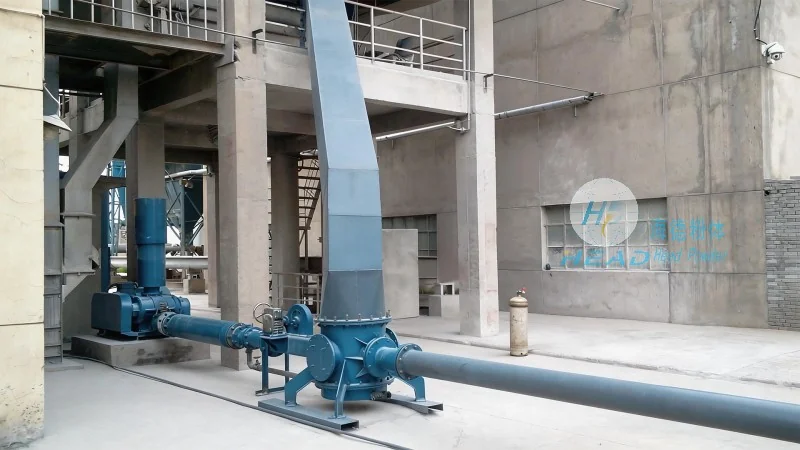
Key Components and Their Functions
Each component of the organic fertilizer pneumatic conveying system is engineered to optimize performance and reliability. The material hopper serves as the primary storage container, allowing for bulk loading of organic fertilizer. The feeder, often a rotary valve or screw conveyor, ensures a consistent and controlled flow of material into the pipeline, preventing blockages and maintaining system efficiency. The air compressor is the core of the system, generating the pressure needed to move the material. Positive displacement compressors are commonly used for low to medium pressure applications, while centrifugal compressors handle higher flow rates. The pipeline network, constructed from materials like stainless steel or PVC, is designed to withstand the abrasive nature of organic fertilizers and maintain air tightness. Valves and fittings are strategically placed to control the direction of flow, regulate pressure, and allow for system maintenance or cleaning.
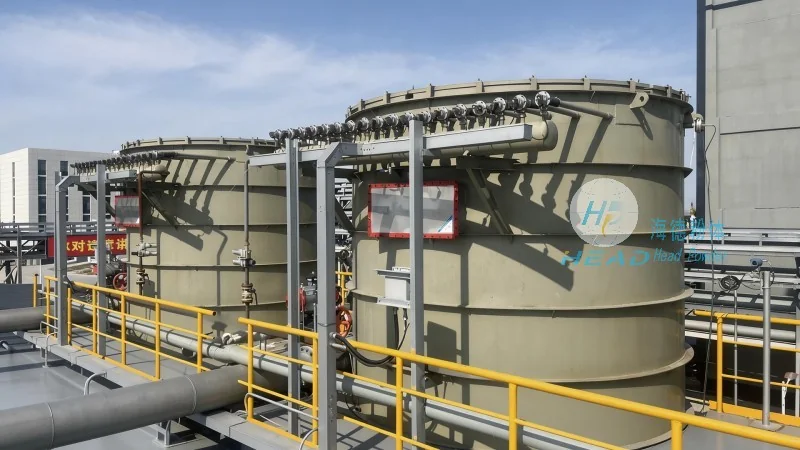
Advantages of Using Pneumatic Conveying for Organic Fertilizers
Implementing a pneumatic conveying system for organic fertilizers offers several significant benefits. First, it reduces labor costs by automating the material handling process, eliminating the need for manual loading and unloading. Second, the system enhances hygiene by keeping the material enclosed within the pipeline, preventing contamination from external sources and reducing dust exposure for operators. Third, pneumatic conveying improves safety by minimizing the risk of accidents associated with manual handling of bulk materials. Additionally, the system can be integrated with other processing equipment, such as mixing or granulation units, to create a seamless production line. The flexibility of the system allows for easy reconfiguration of the pipeline network to accommodate changes in production volume or material types.
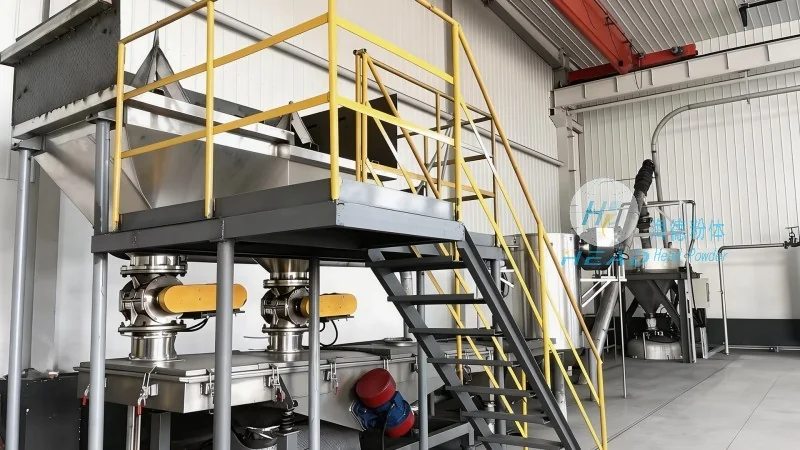
Application Scenarios and Operational Considerations
Organic fertilizer pneumatic conveying systems are widely applied in various agricultural and industrial settings. In composting facilities, these systems efficiently transport raw materials to composting piles or processing units. In fertilizer manufacturing plants, they move raw organic materials from storage to mixing and granulation stages. The system's design must consider the specific characteristics of the organic fertilizer, such as particle size, moisture content, and abrasiveness, to ensure optimal performance. Proper maintenance is crucial to prevent system downtime, including regular cleaning of pipelines and components to avoid clogging and wear. The air compressor must be sized appropriately to handle the required air volume and pressure, ensuring consistent material flow. Additionally, the system should be equipped with safety features like pressure relief valves and air filtration systems to protect against overpressure and dust emissions.