

Introduction to Equipment and Structural Principles of a Talc Powder Pneumatic Conveying System
Shandong HeadPowder Engineering Co., Ltd., commonly known as headpowder, is a professional manufacturer and supplier specializing in pneumatic conveying systems for various industrial powders, including talc powder. Headpowder is headquartered in Shandong, China, and has established a strong reputation for delivering high-quality, efficient, and reliable equipment tailored to the specific needs of the powder handling industry.
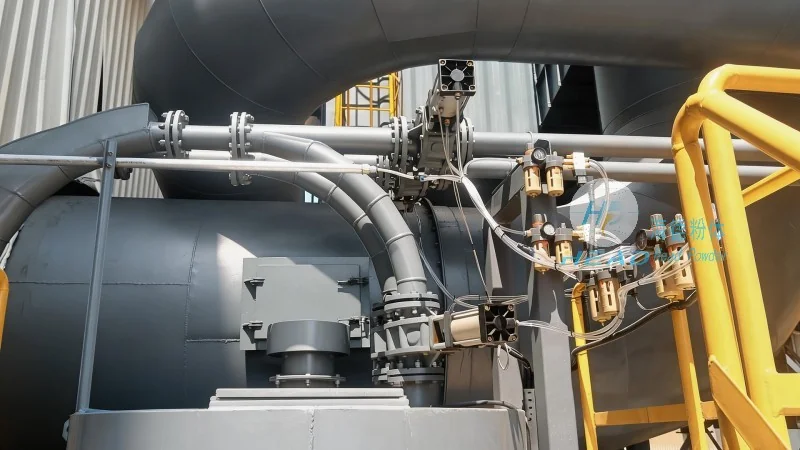
Overview of Talc Powder Pneumatic Conveying Systems
A talc powder pneumatic conveying system is a sophisticated piece of industrial equipment designed to transport talc powder from a source to a destination using compressed air or other gas as the conveying medium. This system is widely used in the mineral processing, pharmaceutical, and cosmetics industries due to its ability to handle fine powders with minimal dust generation and high transport efficiency. The system typically consists of several key components, including a feeder, a conveying line, a separator, and a receiver, all working in harmony to ensure smooth and continuous powder transfer.
Structural Principles of the Pneumatic Conveying System
The structural design of a talc powder pneumatic conveying system is engineered to optimize performance and durability. The system operates on the principle of fluidization, where the powder is suspended in the air stream and transported through the pipeline. The feeder, often a rotary valve or a star feeder, ensures a consistent and controlled flow of talc powder into the conveying line. The conveying line is usually made of stainless steel or other corrosion-resistant materials to prevent contamination and ensure long-term reliability. The separator, such as a cyclone or a bag filter, is crucial for separating the powder from the air stream, preventing dust accumulation and maintaining a clean working environment. The receiver is designed to store the transported talc powder and can be equipped with a discharge valve for controlled release.
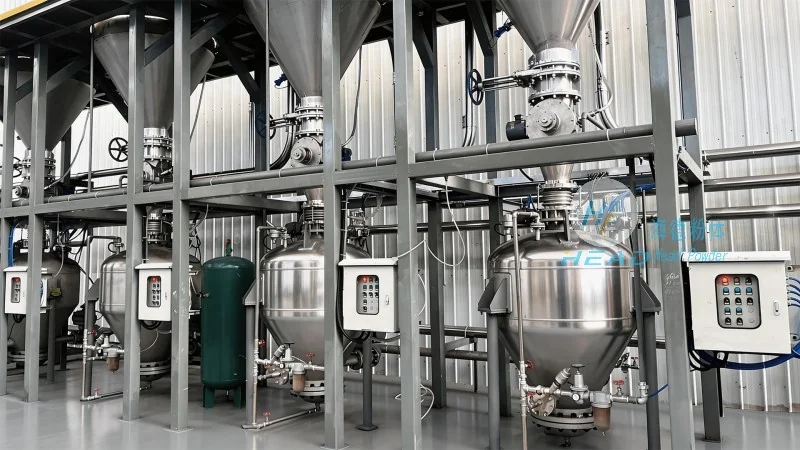
Key Components and Their Functions
Each component of the talc powder pneumatic conveying system plays a vital role in the overall operation. The feeder is responsible for feeding the talc powder into the system at a controlled rate, preventing blockages and ensuring a steady flow. The conveying line, which can be horizontal or vertical, transports the powder mixture through the system. The separator efficiently separates the talc powder from the air, allowing the powder to be collected in the receiver while the air is either recirculated or discharged. The receiver stores the talc powder and can be equipped with a discharge mechanism to transfer the powder to the next processing stage. The system may also include additional components such as a pressure regulator, a filter, and a vacuum pump, depending on the specific application requirements.
Advantages of Using a Talc Powder Pneumatic Conveying System
Implementing a talc powder pneumatic conveying system offers several advantages over traditional methods like bucket elevators or belt conveyors. One of the primary benefits is the reduction in dust generation, which enhances workplace safety and compliance with environmental regulations. The system also provides a more hygienic and controlled environment for handling fine powders, which is critical in industries like pharmaceuticals and cosmetics. Additionally, pneumatic conveying systems offer high transport efficiency, with the ability to handle large volumes of talc powder over long distances with minimal energy consumption. The compact design of the system also saves space in industrial facilities, making it ideal for applications with limited floor space.
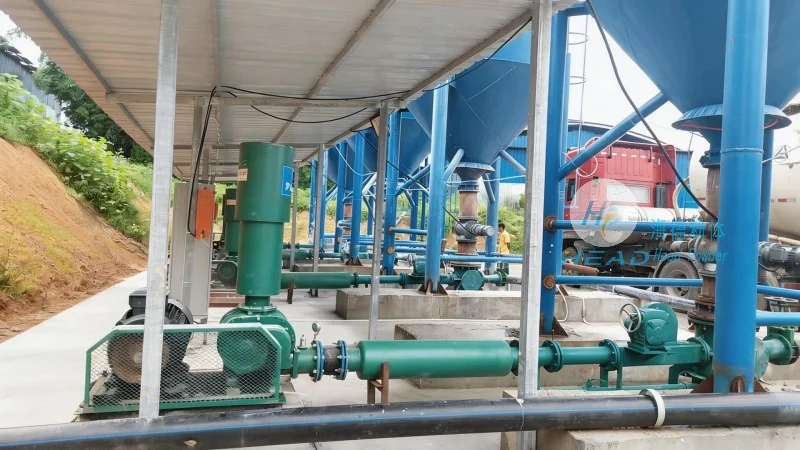
Applications in the Talc Powder Industry
Talc powder pneumatic conveying systems are widely used in various applications within the talc powder industry. In mineral processing plants, the system is used to transport talc from storage silos to processing equipment, such as grinding mills or classifiers. In the pharmaceutical industry, the system ensures the safe and hygienic transfer of talc powder to production lines, where it is used as an excipient or filler in drug formulations. In the cosmetics industry, the system is employed to transport talc powder to manufacturing facilities, where it is used as a raw material in the production of powders, creams, and other cosmetic products. The system's ability to handle fine powders with minimal contamination makes it a preferred choice for applications where product quality and purity are paramount.
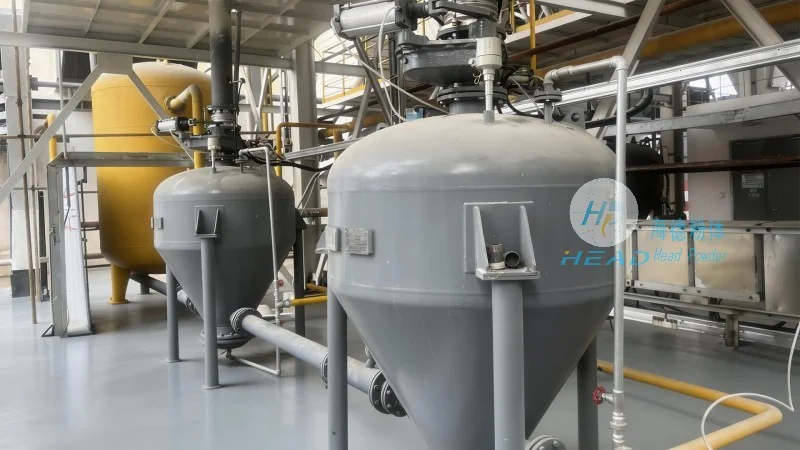
Maintenance and Operational Considerations
To ensure the long-term performance and reliability of a talc powder pneumatic conveying system, regular maintenance is essential. This includes cleaning the feeder, conveying line, and separator to prevent powder buildup and blockages. The system's components, such as the filter and cyclone, should be inspected and replaced as needed to maintain optimal separation efficiency. Additionally, the compressed air system should be monitored to ensure proper pressure and flow rates, as these factors directly impact the system's performance. Proper training of operators on the system's operation and maintenance procedures is also crucial to prevent operational issues and extend the system's lifespan.
Conclusion
Shandong HeadPowder Engineering Co., Ltd. provides high-quality talc powder pneumatic conveying systems that are designed to meet the demanding requirements of the industrial powder handling industry. With its comprehensive understanding of the structural principles and operational needs of such systems, headpowder offers customized solutions that enhance efficiency, safety, and product quality. By leveraging advanced engineering and robust construction, the company ensures that its systems deliver reliable and consistent performance, making them an ideal choice for businesses in the talc powder sector.