

Pneumatic Conveying of Refractory Materials: How to Efficiently Transport Bulk Powders with Air Flow
Efficiently transporting refractory materials is a critical challenge in industrial processes, especially when dealing with bulk powders and granules. Traditional methods like manual handling or mechanical conveyors often face limitations such as dust exposure, material degradation, and operational inefficiencies. This is where pneumatic conveying technology emerges as a superior solution, enabling seamless and safe movement of refractory materials through the use of air flow. The following article explores the principles, applications, and benefits of pneumatic conveying for refractory materials, highlighting how companies like Shandong HeadPowder Engineering Co., Ltd. leverage advanced systems to optimize material handling in industrial settings.
Understanding Pneumatic Conveying for Refractory Materials
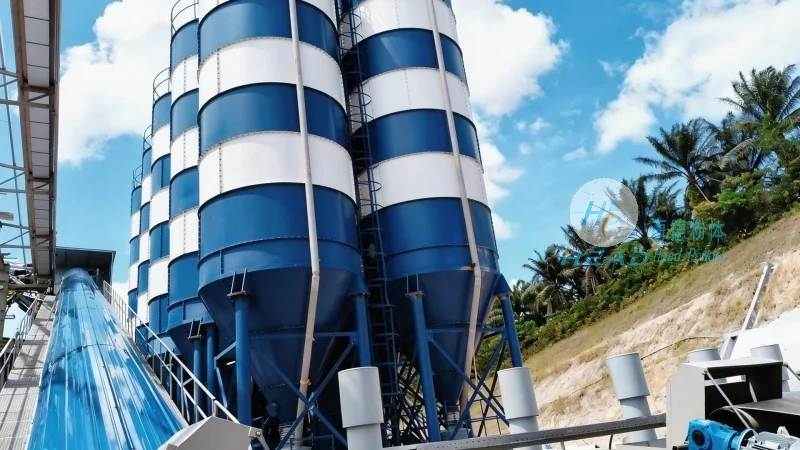
Pneumatic conveying, also known as air conveying, utilizes pressurized or suction air to transport bulk materials like refractory powders and granules. The process involves creating a flow of air that carries the material through a pipeline, allowing for controlled and efficient movement from the source to the destination. There are two primary types of pneumatic conveying systems: dilute phase and dense phase. Dilute phase systems use low air velocity and high material velocity, suitable for short distances and light materials. Dense phase systems, on the other hand, employ higher air pressure and lower material velocity, ideal for longer distances and more sensitive materials. For refractory materials, which often require gentle handling to prevent clumping or degradation, dense phase or hybrid systems are commonly preferred to ensure minimal material impact and consistent flow.
HeadPowder Engineering: A Leader in Refractory Pneumatic Conveying Solutions
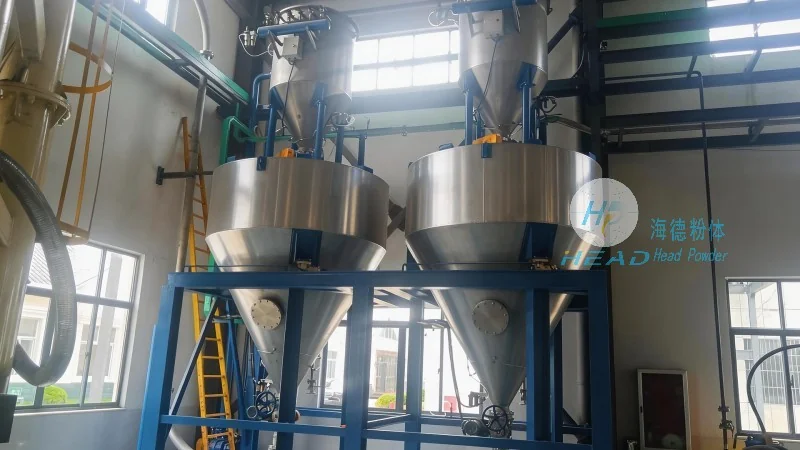
Shandong HeadPowder Engineering Co., Ltd., based in Shandong, China, is a prominent provider of specialized engineering solutions for material handling, with a particular focus on pneumatic conveying systems tailored for refractory materials. The company’s expertise lies in designing, manufacturing, and implementing customized systems that meet the unique demands of industrial applications. HeadPowder’s team of engineers and technicians work closely with clients to assess their material characteristics, process requirements, and operational constraints, ensuring that the final solution is both efficient and cost-effective. The company’s commitment to quality and innovation has made it a trusted partner for businesses seeking reliable and sustainable material transport solutions.
Key Features and Benefits of Pneumatic Conveying Systems for Refractory Materials
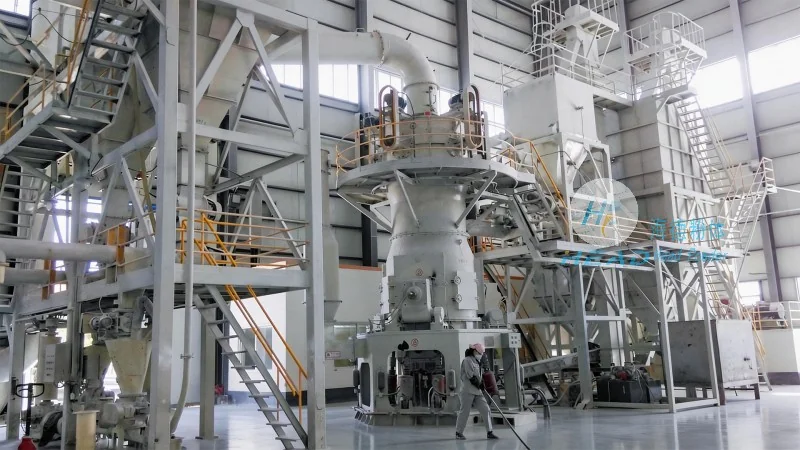
Implementing a pneumatic conveying system for refractory materials offers numerous advantages over traditional methods. One of the most significant benefits is the reduction of dust and airborne particles, which not only improves workplace safety but also minimizes environmental impact. By keeping materials contained within the pipeline, the system prevents dust exposure, reducing the risk of respiratory issues for workers and compliance with environmental regulations. Additionally, pneumatic conveying systems are highly efficient in terms of energy consumption, as they use compressed air to move materials with minimal friction, resulting in lower operational costs over time. The technology also enables precise control over material flow rates, allowing for accurate dosing and batching, which is crucial in processes such as mixing, blending, and packaging. Furthermore, the systems are designed to handle a wide range of refractory materials, including high-temperature-resistant powders and granules, ensuring that the material’s properties are preserved throughout the conveying process. This preservation of material integrity is vital for industries where the quality of refractory materials directly impacts product performance and safety.
Applications and Use Cases in Refractory Manufacturing
The applications of pneumatic conveying in refractory material handling span across various stages of the manufacturing process. In raw material handling, pneumatic systems are used to transport raw minerals and powders from storage silos to processing units, ensuring a continuous and uninterrupted supply. During the mixing and blending phase, the technology facilitates the uniform combination of different refractory components, such as alumina, silica, and other additives, which is essential for achieving the desired material properties. In the production of refractory bricks and shapes, pneumatic conveying is employed to transport the mixed material to molding and shaping equipment, maintaining consistent quality and reducing downtime. Additionally, in finishing and packaging operations, the system efficiently moves finished refractory products from production lines to storage or shipping areas, streamlining the overall workflow. By integrating pneumatic conveying at each stage, refractory manufacturers can enhance productivity, reduce labor costs, and improve product consistency.
Ensuring System Reliability and Maintenance
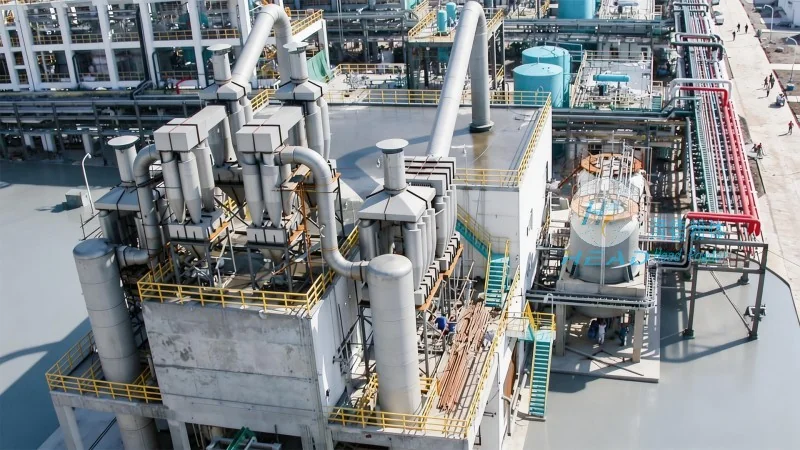
For the optimal performance of pneumatic conveying systems, regular maintenance and proper system design are essential. HeadPowder Engineering emphasizes the importance of selecting high-quality components, such as durable pipelines, efficient air compressors, and reliable control systems, to ensure long-term reliability. The company provides comprehensive maintenance services, including routine inspections, component replacements, and troubleshooting, to minimize downtime and maximize system uptime. Proper cleaning and maintenance of the conveying lines are also critical to prevent material buildup and blockages, which can lead to system inefficiencies or failures. By adhering to a proactive maintenance schedule, refractory manufacturers can extend the lifespan of their pneumatic conveying systems and maintain consistent operational performance. Additionally, HeadPowder offers technical support and training to clients, ensuring that operators and maintenance personnel are well-equipped to handle any issues that may arise, further enhancing the overall reliability of the system.