

Classification and Composition of Gypsum Powder and Dust Pneumatic Conveying Systems
Gypsum powder and dust pneumatic conveying systems are critical in industrial settings for the efficient transport of bulk materials such as gypsum powder. These systems leverage air as the conveying medium to move materials from one location to another, offering benefits like reduced labor costs, enhanced safety, and improved process control. Understanding the classification and composition of these systems is essential for selecting the most appropriate solution for specific industrial requirements.
Classification of Gypsum Powder and Dust Pneumatic Conveying Systems
Gypsum powder and dust pneumatic conveying systems can be categorized based on key factors including the conveying principle, material handling capacity, and operational environment. The main classifications include pressure conveying systems, vacuum conveying systems, and mixed conveying systems. Each type serves distinct purposes and is chosen based on the characteristics of the gypsum powder and the complexity or distance of the conveying route.
Pressure Conveying Systems for Gypsum Powder
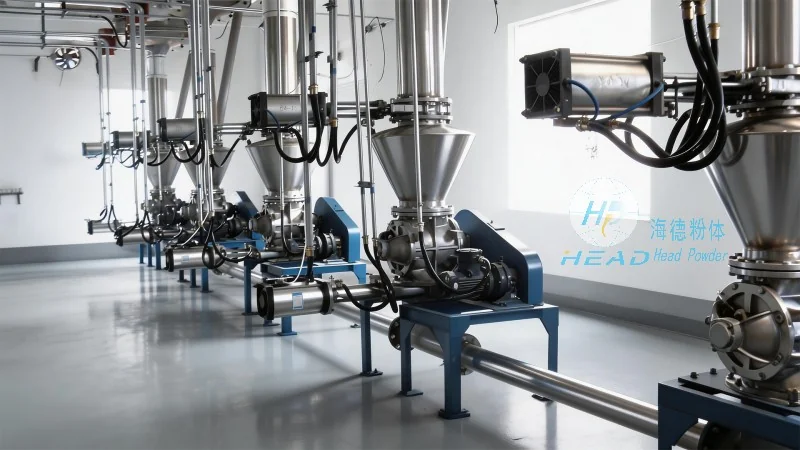
Pressure conveying systems operate by generating positive pressure within the conveying line to move the material. These systems are typically employed for short to medium-distance transport and are well-suited for handling dry, free-flowing gypsum powders. The system comprises a blower or compressor that supplies compressed air, a hopper for material storage, a feeder to regulate the flow rate, and a pipeline network that transports the material to the destination. Key components include the air compressor, material feeder, and conveying pipeline. Pressure systems are efficient for high-volume applications and can accommodate a wide range of particle sizes, making them versatile for various gypsum processing operations.
Vacuum Conveying Systems for Gypsum Powder
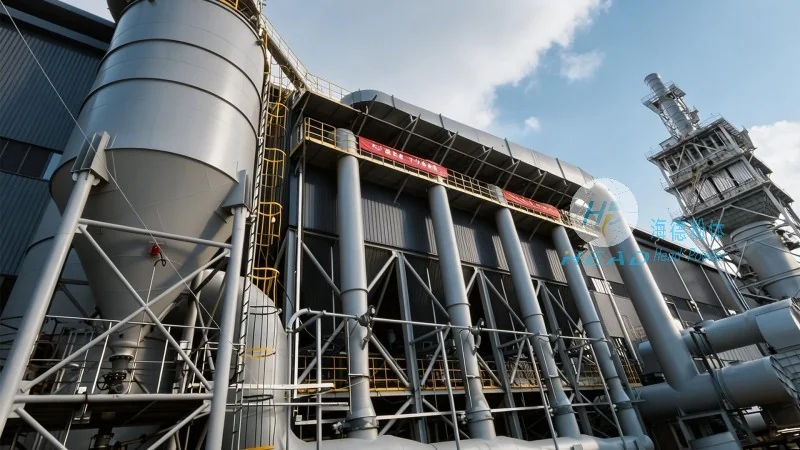
Vacuum conveying systems, conversely, create a negative pressure in the system to draw the material from the source. These systems are ideal for long-distance or complex conveying routes, as they can handle materials over extended distances without significant pressure drops. The setup includes a vacuum pump, a material hopper, a suction nozzle, and a pipeline that transports the material to the collection point. Vacuum systems are particularly effective for handling dusty or fine gypsum powders, as they can maintain a consistent flow and minimize material loss. The components include the vacuum pump, material hopper, and suction nozzle, which work together to generate the necessary suction force for material transport.
Mixed Conveying Systems for Gypsum Powder
Mixed conveying systems combine elements of both pressure and vacuum systems, offering flexibility in handling diverse material characteristics and conveying requirements. These systems are often used in applications where the conveying distance varies or where both loading and unloading points are involved. The setup includes a combination of blowers and vacuum pumps, along with a control system that adjusts pressure or vacuum levels as needed. Mixed systems are suitable for handling a wide range of gypsum powders, from fine dust to larger particles, and can adapt to different operational conditions. The key components include the dual-mode blower, material feeder, and adjustable pipeline controls, which enable efficient material transport under varying conditions.
Key Components of Gypsum Powder and Dust Pneumatic Conveying Systems
Regardless of the classification, gypsum powder and dust pneumatic conveying systems share several essential components that ensure efficient operation. The primary components include the air supply unit, material feeding equipment, conveying pipeline, and control system. The air supply unit, which can be a blower or compressor, provides the necessary pressure or vacuum to move the material. The material feeder, such as a rotary valve or screw feeder, controls the flow rate of the gypsum powder into the system, preventing overloading and ensuring consistent transport. The conveying pipeline, typically made of stainless steel or other corrosion-resistant materials, is designed to withstand the abrasive nature of gypsum powder and maintain airtightness. The control system, which may include sensors and automation, monitors the system performance and adjusts parameters to optimize material transport. These components work in harmony to ensure reliable and efficient operation of the pneumatic conveying system.
Application Examples in Gypsum Processing
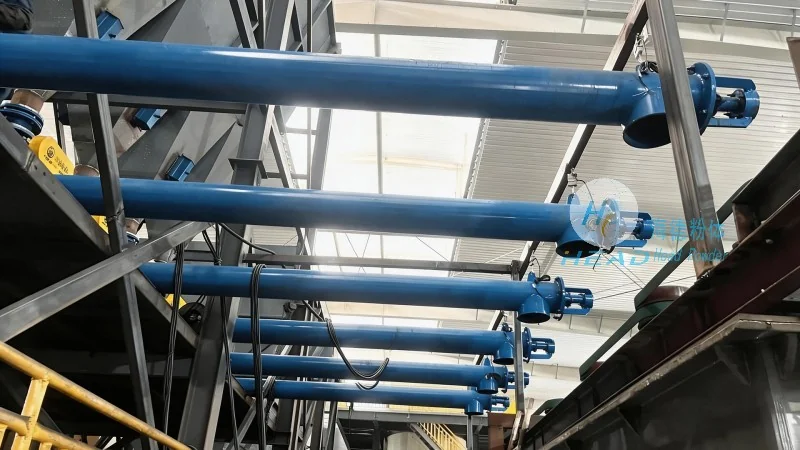
Gypsum powder and dust pneumatic conveying systems are widely utilized in various gypsum processing applications. For example, in gypsum board manufacturing, these systems are used to transport raw gypsum powder from storage silos to the production line, ensuring a steady supply of material for board production. In cement and construction material production, the systems help move gypsum powder to mixing and processing units, contributing to the quality and consistency of the final products. Additionally, in industrial dust collection and handling, the systems are employed to transport gypsum dust from processing equipment to storage or disposal areas, reducing environmental impact and improving workplace safety. The versatility of these systems makes them suitable for a range of gypsum-related applications, from raw material handling to finished product transport.
Advantages and Considerations for Gypsum Powder and Dust Pneumatic Conveying
Implementing gypsum powder and dust pneumatic conveying systems offers several advantages, including improved material handling efficiency, reduced labor costs, and enhanced safety. The systems eliminate the need for manual handling of bulk materials, minimizing the risk of accidents and exposure to dust. Additionally, they provide better control over material flow, ensuring consistent quality in the final products. However, there are also considerations to keep in mind when selecting and operating these systems. For example, the system design must account for the specific properties of the gypsum powder, such as particle size, moisture content, and flowability, to ensure optimal performance. Proper maintenance of the components, especially the air supply unit and conveying pipeline, is also crucial to prevent downtime and maintain efficiency. The choice of system type (pressure, vacuum, or mixed) depends on the specific application requirements, including conveying distance, material characteristics, and operational constraints.