

Introduction to Dry Soybean Conveying Systems: Advantages and Features of Soybean Pneumatic Conveyin
For businesses involved in the processing and handling of dry soybeans, efficient and reliable material transport is a critical component of operational success. The dry soybean conveying system, particularly the pneumatic conveying method, offers advanced solutions that enhance productivity, reduce labor costs, and improve overall process control. This article provides an overview of the dry soybean conveying system, focusing on the key advantages and features of pneumatic conveying technology as applied to soybean handling.
Understanding Dry Soybean Conveying Systems
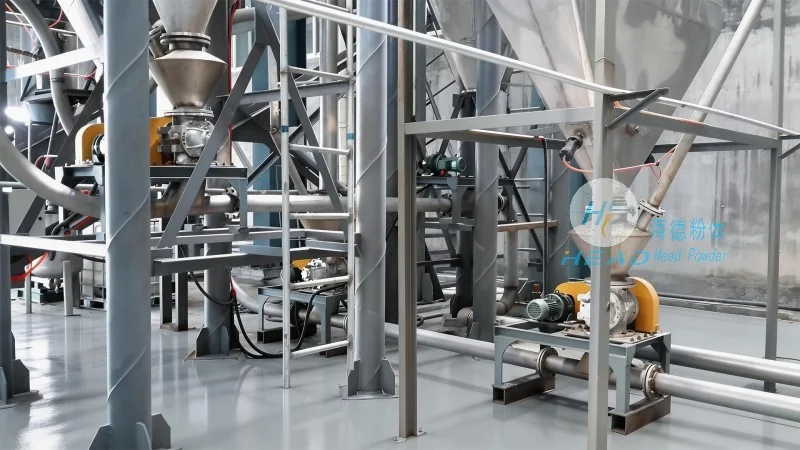
Dry soybean conveying systems are engineered to move soybeans from one location to another within a processing facility or between different stages of production. These systems are designed to handle the unique physical properties of soybeans, such as their size, density, and moisture content, ensuring safe and efficient transport. The primary goal of a dry soybean conveying system is to minimize product damage, maintain hygiene standards, and optimize the flow of materials throughout the production line.
Pneumatic Conveying: A Superior Method for Soybean Transport
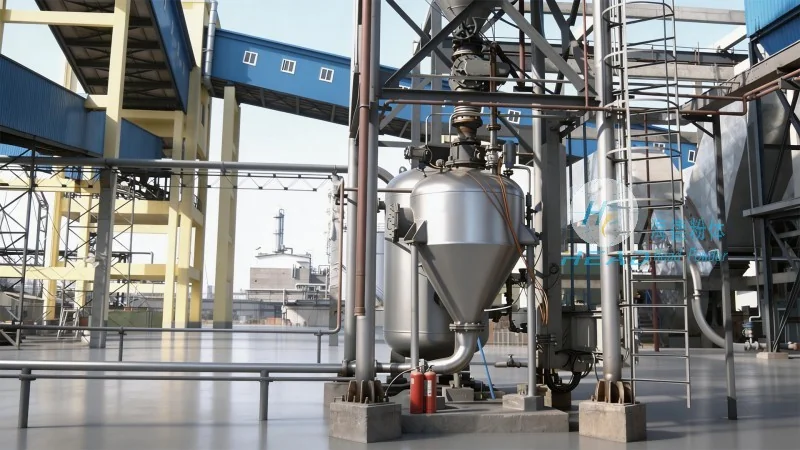
Pneumatic conveying, also known as air conveying, is a widely adopted technique for transporting dry soybeans due to its numerous advantages over traditional mechanical methods. This technology utilizes a pressurized air system to move soybeans through a network of pipes, eliminating the need for mechanical components like belts, buckets, or chains that can cause product contamination or damage. The core components of a pneumatic conveying system for soybeans include a hopper, a blower or air compressor, a conveying line, and a discharge point. The system operates by drawing soybeans into the hopper and then using compressed air to propel them through the pipes to the desired destination.
Key Advantages of Pneumatic Conveying for Dry Soybeans
One of the most significant advantages of pneumatic conveying for dry soybeans is its ability to maintain product integrity. Unlike mechanical systems that may cause bruising, cracking, or other forms of physical damage, pneumatic transport uses gentle air pressure to move materials, preserving the quality and nutritional value of the soybeans. This is particularly important for soybeans intended for food processing or animal feed, where product quality directly impacts market value and consumer acceptance.
Another key benefit is the enhanced hygiene and cleanliness of pneumatic systems. Since there are no moving parts in direct contact with the soybeans, the risk of contamination from machinery components is minimized. This is crucial in food processing applications where strict sanitary standards must be met. Additionally, pneumatic conveying systems can be easily integrated with other processing equipment, such as cleaning or sorting machines, creating a seamless workflow that improves overall operational efficiency.
Features that Enhance Performance and Reliability
The effectiveness of a dry soybean conveying system is further enhanced by several key features. One notable feature is the use of flexible hoses or rigid pipes, which can be configured to navigate complex layouts within a facility, allowing for the efficient movement of soybeans around obstacles or between different levels. The system's control mechanisms, including variable speed blowers and pressure sensors, enable precise regulation of the conveying rate, ensuring that the flow of soybeans is consistent and can be adjusted based on production demands.
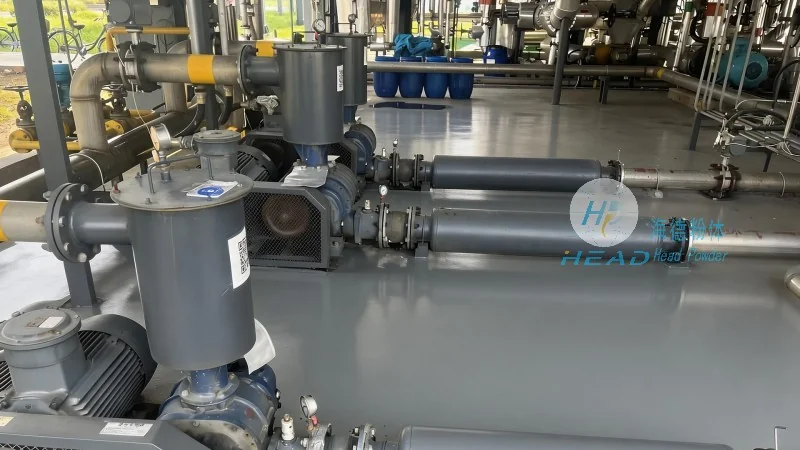
Furthermore, modern pneumatic conveying systems for soybeans often incorporate advanced monitoring and automation technologies. These features allow operators to track the system's performance in real-time, detect potential issues such as blockages or pressure drops, and take corrective action promptly. This proactive approach to maintenance helps to minimize downtime and ensures the continuous operation of the conveying system, which is essential for maintaining production schedules and meeting customer orders.
Conclusion: The Value of Dry Soybean Conveying Systems
In conclusion, the dry soybean conveying system, especially when utilizing pneumatic conveying technology, offers significant advantages for businesses involved in soybean processing. By preserving product quality, maintaining hygiene standards, and improving operational efficiency, these systems contribute to the overall success of soybean handling operations. As a leading provider in this field, Shandong HeadPowder Engineering Co., Ltd. specializes in designing and manufacturing customized dry soybean conveying systems tailored to the specific needs of clients. With a focus on innovation and reliability, HeadPowder delivers solutions that enhance productivity and ensure the highest quality of soybean transport in industrial settings.