

Working Principle and Classification Applications of Xiaomi Pneumatic Conveying
Pneumatic conveying systems have become an essential component in modern material handling and processing industries. These systems utilize air or gas to transport bulk materials from one location to another, offering a flexible and efficient alternative to traditional mechanical conveying methods. Understanding the working principles and classification of these systems is crucial for selecting the most suitable solution for specific industrial applications. This article provides an in-depth overview of the working principles and classification applications of Xiaomi pneumatic conveying systems, presented by Shandong HeadPowder Engineering Co., Ltd., a leading manufacturer in the field.
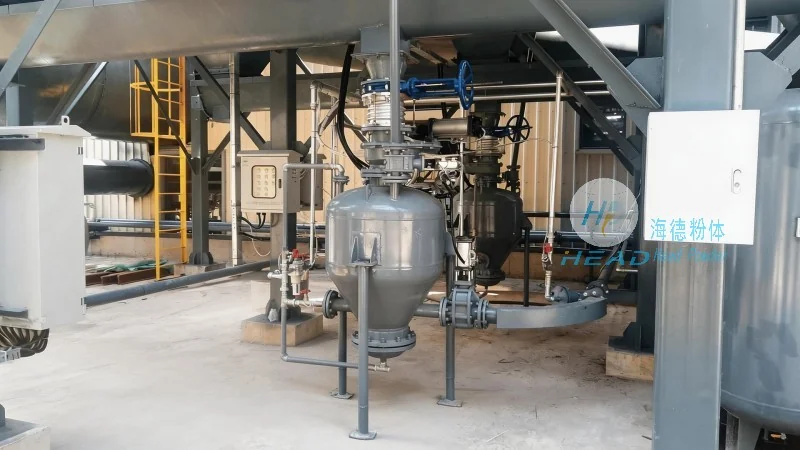
Introduction to Pneumatic Conveying Systems
Pneumatic conveying, also known as air conveying, is a technology that enables the transport of bulk materials through a pipeline using compressed air or gas. Unlike mechanical conveyors, which rely on mechanical components like belts, screws, or buckets, pneumatic systems use the force of air to move materials. This method is particularly advantageous for handling materials that are dusty, abrasive, or require minimal contamination, as it eliminates the need for direct contact between the material and the conveyor components. The efficiency and versatility of pneumatic conveying have made it a preferred choice in various industries, including food processing, pharmaceuticals, chemicals, and mining.
About Shandong HeadPowder Engineering Co., Ltd.
Shandong HeadPowder Engineering Co., Ltd., commonly known as HeadPowder, is a reputable company specializing in the design, manufacturing, and installation of pneumatic conveying systems. With a strong commitment to quality and innovation, HeadPowder has established itself as a trusted partner for businesses seeking reliable material handling solutions. The company's expertise lies in developing customized pneumatic systems tailored to meet the unique requirements of each client, ensuring optimal performance and durability. HeadPowder's facilities are located in Shandong, China, where the company leverages advanced technology and skilled workforce to deliver high-quality products and services.
Working Principles of Pneumatic Conveying
The fundamental working principle of a pneumatic conveying system involves the creation of a pressure differential between the inlet and outlet of the conveying line. In a typical system, compressed air is introduced into the pipeline, creating a flow that propels the material forward. The system can operate under either positive pressure (where the conveying line is pressurized above atmospheric pressure) or negative pressure (where the line is maintained at a lower pressure than the surrounding environment). The choice between these two modes depends on the specific characteristics of the material being conveyed, such as its particle size, density, and flowability.
In positive pressure systems, the air is supplied at a higher pressure than the ambient air, and the material is drawn into the pipeline by the moving air. This method is commonly used for conveying materials over short to medium distances and is particularly effective for handling fine powders and granules. The positive pressure system ensures that the material is fully enclosed within the pipeline, preventing dust emissions and maintaining a clean environment.
Conversely, negative pressure systems operate by creating a vacuum in the conveying line, which draws the material from the source into the pipeline. This approach is often preferred for applications requiring the transport of materials from multiple sources or over longer distances, as it allows for more flexible system designs. Negative pressure systems are also suitable for handling materials that are sensitive to pressure changes or require a controlled environment.
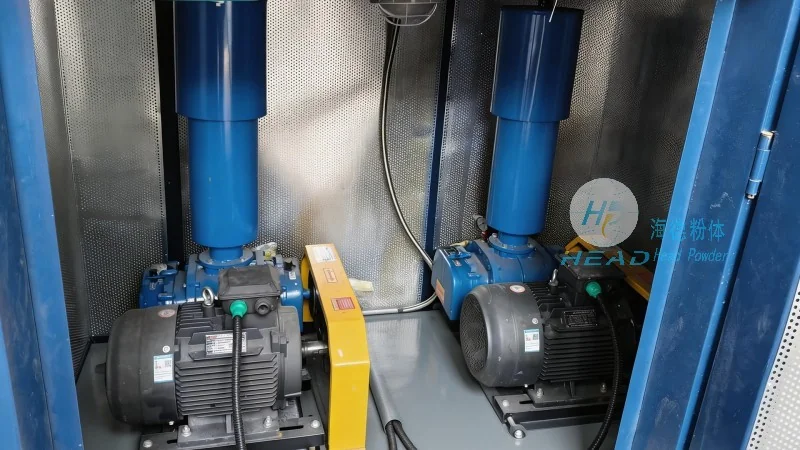
Classification of Pneumatic Conveying Systems
Pneumatic conveying systems can be classified into several categories based on the pressure differential, material flow characteristics, and system design. The primary classifications include dilute phase, dense phase, and hybrid systems. Each classification has distinct operating principles and applications, making it essential to select the appropriate system for the specific material and process requirements.
Dilute Phase Pneumatic Conveying
Dilute phase pneumatic conveying is characterized by the material being suspended in the air stream as individual particles, with a low solid-to-gas ratio. This method is commonly used for conveying fine powders and granules over short to medium distances, typically up to several hundred meters. The system operates at relatively high air velocities, ensuring that the material is fully suspended and transported efficiently. Dilute phase systems are known for their high throughput and low pressure drop, making them suitable for applications where speed and efficiency are critical.
In a dilute phase system, the material is introduced into the pipeline at a high velocity, and the air flow maintains the particles in suspension. The system typically uses a positive pressure mode, with the air velocity exceeding the terminal velocity of the particles to prevent settling. This method is particularly effective for handling materials with low density and good flowability, such as cement, flour, and plastic pellets.
Dense Phase Pneumatic Conveying
Dense phase pneumatic conveying, also known as low velocity conveying, operates at a much lower air velocity compared to dilute phase systems. In this mode, the material is conveyed in a slurry-like state, with a higher solid-to-gas ratio. The system is designed to minimize the pressure drop and reduce the risk of material degradation or segregation. Dense phase conveying is ideal for handling sensitive materials, such as pharmaceutical powders, food products, and abrasive particles, where maintaining product integrity is paramount.
The working principle of dense phase systems involves the use of a pressure surge or a valve that creates a temporary pressure increase, which forces the material to move forward in a slug-like manner. This method reduces the impact and friction on the material, ensuring that it remains intact during transport. Dense phase systems are commonly used for conveying materials over longer distances, typically up to several kilometers, and are particularly suitable for applications where the material is prone to caking or agglomeration.
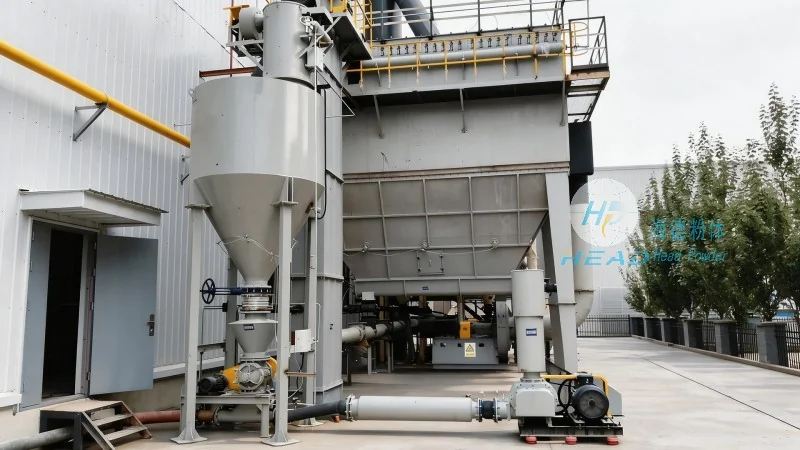
Hybrid Pneumatic Conveying Systems
Hybrid pneumatic conveying systems combine the features of both dilute phase and dense phase systems to provide flexibility and efficiency in material handling. These systems can operate in either mode depending on the material characteristics and process requirements. For example, a hybrid system may use a dilute phase mode for short-distance transport and switch to a dense phase mode for longer distances, optimizing the overall system performance.
Hybrid systems are particularly advantageous for applications that involve the transport of a wide range of materials with varying properties. By adjusting the operating parameters, such as air velocity and pressure, the system can be tailored to meet the specific needs of each material, ensuring consistent and reliable performance. This adaptability makes hybrid systems a popular choice in industries where material types and processing conditions are subject to change.
Application Examples of Pneumatic Conveying
The versatility of pneumatic conveying systems makes them suitable for a wide range of industrial applications. In the food and beverage industry, these systems are used to transport ingredients like flour, sugar, and spices, ensuring minimal contamination and maintaining product quality. In the pharmaceutical industry, pneumatic conveying is employed to handle active pharmaceutical ingredients (APIs) and other sensitive materials, where strict cleanliness and containment are required. The chemical industry also benefits from pneumatic conveying systems, which are used to transport powders and granules in processes such as mixing, blending, and packaging.
In the mining and minerals sector, pneumatic conveying is utilized to transport raw materials from mines to processing facilities, reducing the need for traditional truck transport and minimizing environmental impact. The system's ability to handle abrasive and dusty materials makes it an ideal solution for these applications. Additionally, in the manufacturing industry, pneumatic conveying is used to transport plastic pellets, metal powders, and other bulk materials, improving production efficiency and reducing labor costs.
Conclusion
Pneumatic conveying systems, as explained by Shandong HeadPowder Engineering Co., Ltd., offer a reliable and efficient solution for material handling in various industries. By understanding the working principles and classification of these systems, businesses can select the most appropriate technology to meet their specific needs. Whether using dilute phase, dense phase, or hybrid systems, pneumatic conveying provides a flexible and cost-effective alternative to traditional mechanical conveyors. With continuous advancements in technology, the future of pneumatic conveying systems looks promising, with further improvements in efficiency, durability, and environmental sustainability. HeadPowder remains committed to providing high-quality pneumatic conveying solutions that enhance the productivity and safety of industrial operations.