

Principles and Classification Applications of Caustic Soda Pneumatic Conveying
Pneumatic conveying is a widely used method for transporting bulk materials, including caustic soda (sodium hydroxide), from one location to another. This technique involves the use of air or other gases to move the material through a pipeline system. Caustic soda, a highly caustic and reactive chemical, requires specialized handling to ensure safety and efficiency during transportation. The process of pneumatic conveying for caustic soda combines mechanical and pneumatic forces to achieve reliable and controlled material transfer, making it an essential technology in various industrial applications.
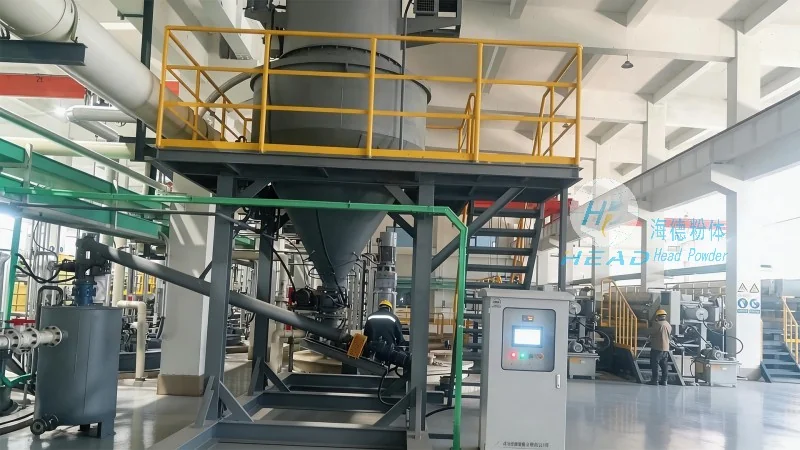
Working Principles of Pneumatic Conveying for Caustic Soda
The core principle of pneumatic conveying for caustic soda is the creation of a flow of air or gas that lifts and transports the material particles. This is typically achieved through the use of a positive displacement blower or a venturi system. In a positive displacement system, the blower generates a constant pressure, which forces air through the pipeline and into the material hopper. As the air flows, it entrains the caustic soda particles, forming a slurry that moves through the pipeline. The velocity of the air is critical; it must be sufficient to overcome the gravitational force acting on the particles while maintaining a stable flow without causing excessive wear or degradation of the material. The system also includes components such as filters, cyclones, and receivers to separate the material from the air and collect it at the destination.
Classification of Pneumatic Conveying Systems for Caustic Soda
Pneumatic conveying systems for caustic soda are classified based on the direction of material flow and the pressure used. The two main categories are:
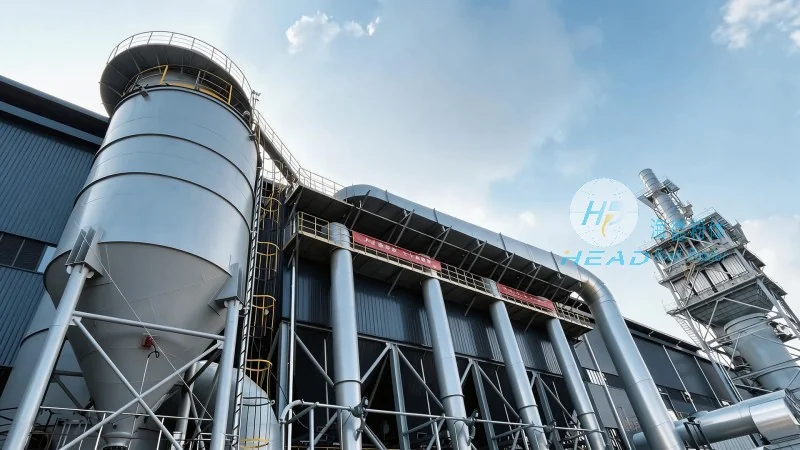
- **Positive Pressure Systems**: These systems use a blower to generate pressure and force air through the pipeline, pushing the material forward. They are suitable for long-distance and high-capacity applications. The pressure in these systems is typically between 0.5 to 2 bar, and they can handle a wide range of particle sizes and flow rates.
- **Negative Pressure (Vacuum) Systems**: These systems use a vacuum pump to create a low-pressure environment that draws the material into the pipeline. They are ideal for short-distance and low-capacity applications, especially when the material needs to be transported from a higher elevation to a lower one. The vacuum level in these systems is usually between 0.1 to 0.5 bar, and they are less suitable for abrasive or high-density materials like caustic soda due to the risk of clogging and increased wear on the system components.
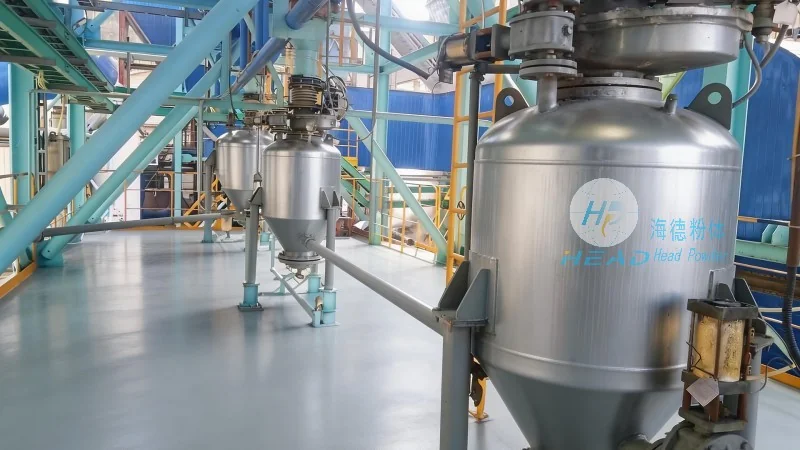
Application Scenarios of Different Conveying Systems
The choice of pneumatic conveying system for caustic soda depends on the specific application requirements, such as the distance between the source and destination, the required flow rate, and the environmental conditions. For example, in a chemical plant where caustic soda is produced and needs to be transported to storage tanks located several hundred meters away, a positive pressure system is often preferred due to its ability to handle high flow rates and long distances. Conversely, in a laboratory or small-scale facility where the caustic soda is used for testing and needs to be moved from a hopper to a reactor within a short distance, a negative pressure system may be more appropriate. Additionally, the system design must consider the potential for material degradation or contamination, as caustic soda can react with certain materials or cause corrosion if not handled properly.
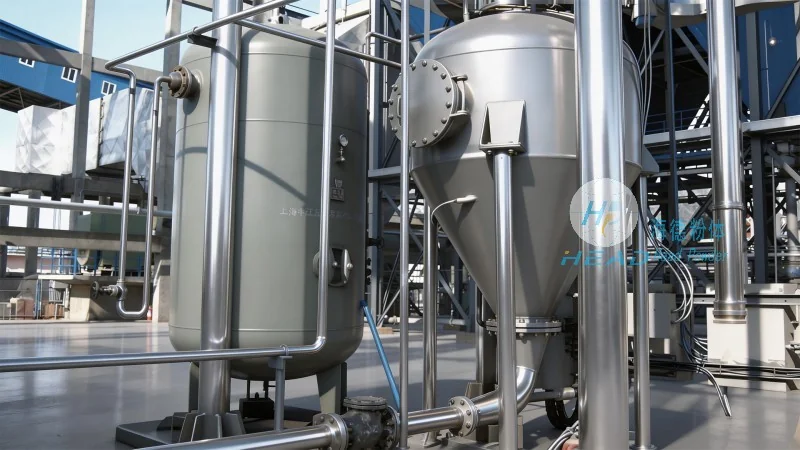
Company Profile: Shandong HeadPowder Engineering Co., Ltd.
Shandong HeadPowder Engineering Co., Ltd., a leading manufacturer in the field of bulk material handling, specializes in providing customized pneumatic conveying solutions for caustic soda and other chemical products. With a strong focus on innovation and quality, the company has developed advanced systems that ensure safe, efficient, and reliable transportation of caustic soda. HeadPowder's expertise lies in designing and manufacturing equipment that meets the stringent safety and performance standards required for handling caustic soda, including compliance with international regulations such as OSHA and ATEX. The company's facilities are located in Shandong, China, where it leverages local resources and expertise to deliver high-quality products and services to clients worldwide.
Conclusion
Pneumatic conveying is a critical technology for the safe and efficient transportation of caustic soda in various industrial settings. By understanding the working principles and classification of different conveying systems, industries can select the most appropriate solution for their specific needs. Companies like Shandong HeadPowder Engineering Co., Ltd. play a vital role in providing advanced and reliable systems that enhance operational efficiency and ensure compliance with safety standards. As the demand for caustic soda continues to grow, the importance of effective material handling systems will only increase, making pneumatic conveying an indispensable part of modern chemical processing.