

Organic Salt Pneumatic Conveying: Types, Features, and Application Scope
Organic salt pneumatic conveying is a critical process in various industrial sectors, particularly for the efficient handling and transportation of organic salts. This method utilizes air to move bulk materials, offering advantages such as reduced labor costs, improved safety, and enhanced process control. The technology has evolved to include several distinct types, each with unique characteristics suited to specific operational requirements. Understanding these types, their features, and the broad application scope is essential for industries seeking optimized material handling solutions.
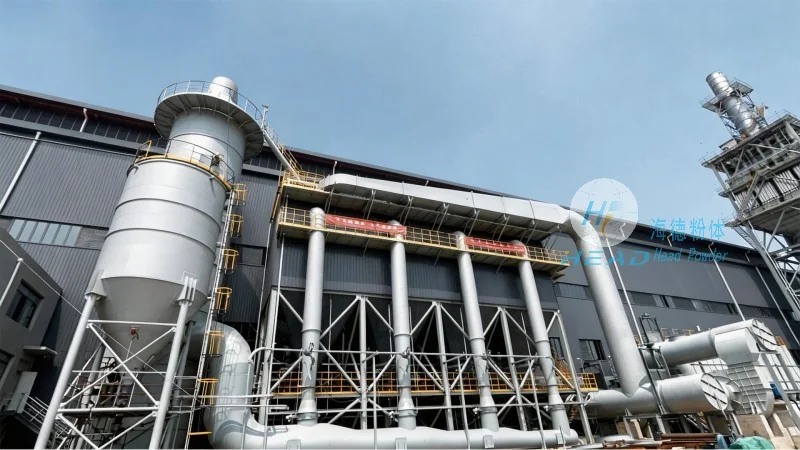
Company Profile: Shandong HeadPowder Engineering Co., Ltd.
HeadPowder, a leading provider in the field, specializes in the design, manufacturing, and implementation of advanced pneumatic conveying systems. With a strong presence in China, particularly in Shandong, the company has built a reputation for delivering reliable and efficient solutions tailored to the needs of diverse industries. The company’s expertise lies in customizing systems that meet stringent operational standards while ensuring cost-effectiveness and minimal downtime.
Types of Organic Salt Pneumatic Conveying Systems
Organic salt pneumatic conveying systems are broadly categorized into two main types: positive pressure systems and negative pressure systems. Each type operates on different principles and is selected based on factors like material properties, system layout, and environmental considerations.
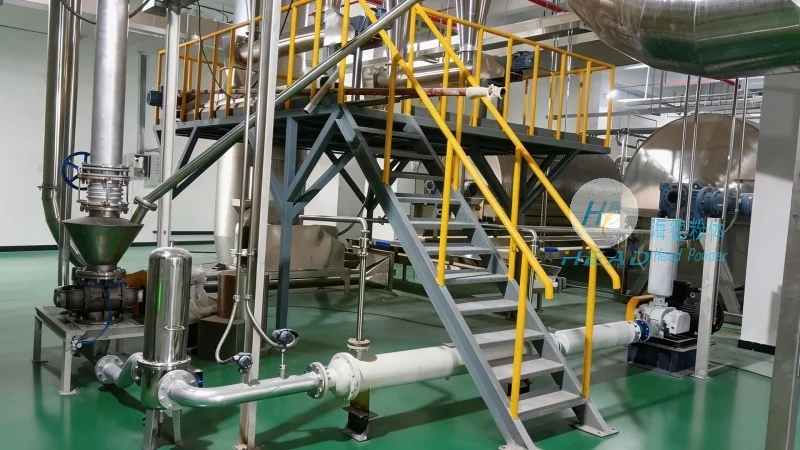
Positive Pressure Pneumatic Conveying
Positive pressure systems operate by blowing air or a carrier gas into the conveying line, creating a pressure higher than the ambient air. This method is ideal for conveying materials over long distances or through complex network layouts. The primary advantages include the ability to handle abrasive or corrosive materials, maintain consistent flow rates, and ensure minimal product degradation. Positive pressure systems are commonly used in applications where the material is sensitive to moisture or requires a controlled environment.
Negative Pressure Pneumatic Conveying
Negative pressure systems, also known as vacuum systems, work by creating a vacuum in the conveying line to draw material from the source. This approach is suitable for short-distance conveying and applications where the material is light or requires gentle handling. The key benefits include lower energy consumption compared to positive pressure systems and the ability to handle materials that are prone to dust or contamination. Negative pressure systems are often employed in industries where dust control and environmental compliance are critical.
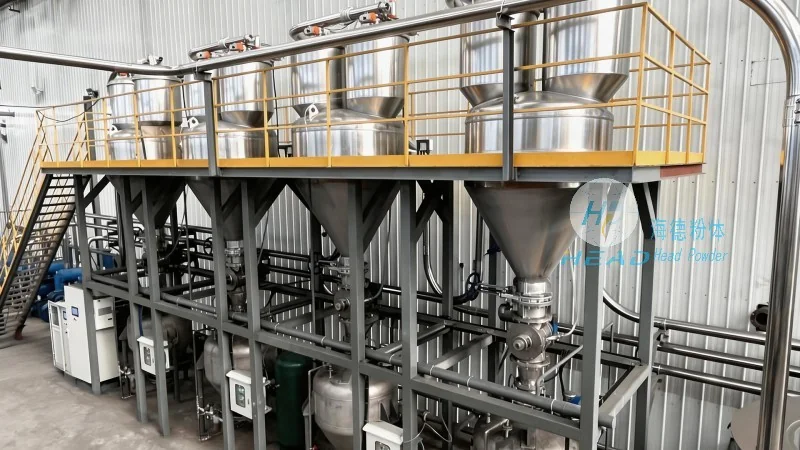
Key Features of Organic Salt Pneumatic Conveying
Regardless of the system type, organic salt pneumatic conveying systems share several key features that contribute to their effectiveness and reliability. These features include:
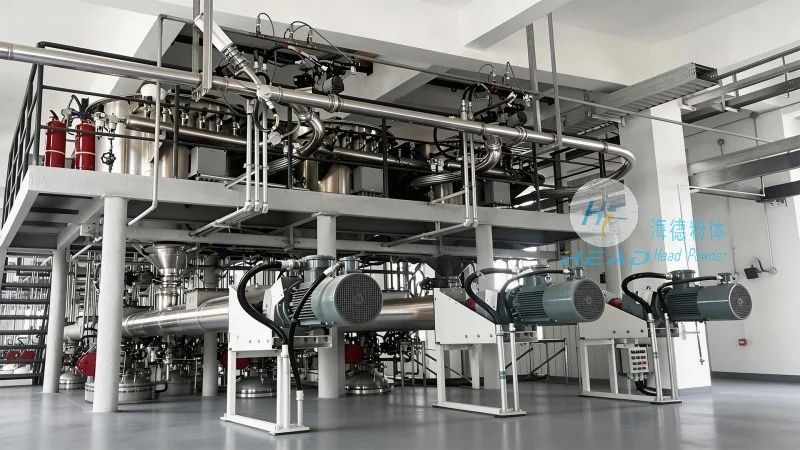
- Efficient Material Handling: The technology enables the rapid and continuous movement of bulk organic salts, reducing the need for manual labor and improving overall productivity.
- Low Maintenance Requirements: Modern systems are designed with durable components and minimal moving parts, leading to lower maintenance costs and extended service life.
- Customizable Solutions: Systems can be tailored to accommodate various material characteristics, such as particle size, density, and moisture content, ensuring optimal performance.
- Enhanced Safety: By eliminating the need for manual handling, the risk of workplace accidents and exposure to hazardous materials is significantly reduced.
- Energy Efficiency: Advanced systems incorporate energy-saving technologies, such as variable frequency drives and optimized air flow, to minimize operational costs.
Application Scope of Organic Salt Pneumatic Conveying
The application scope of organic salt pneumatic conveying is extensive, covering a wide range of industries where bulk organic salts are processed or transported. Some of the key applications include:
- Chemical Manufacturing: Used in the production of organic salts for pharmaceuticals, fertilizers, and specialty chemicals, ensuring precise and controlled material transfer.
- Pharmaceutical Industry: Critical for conveying raw materials and intermediates in the manufacturing of organic salts used in drug formulations, where purity and contamination control are paramount.
- Food and Beverage Sector: Employed in the handling of organic salts used as food additives or preservatives, maintaining hygiene and preventing product degradation.
- Mining and Mineral Processing: Utilized for transporting organic salts derived from mineral ores, facilitating efficient extraction and processing operations.
- Environmental and Waste Management: Applied in the treatment and disposal of organic salt waste, ensuring safe and compliant handling of hazardous materials.
Conclusion
Organic salt pneumatic conveying systems offer a versatile and efficient solution for the transportation of bulk organic salts across various industrial applications. By understanding the different system types, their inherent features, and the broad application scope, industries can select the most appropriate technology to meet their operational needs. Companies like Shandong HeadPowder Engineering Co., Ltd. play a vital role in providing customized solutions that enhance productivity, ensure safety, and comply with industry standards. As the demand for efficient material handling continues to grow, the importance of reliable pneumatic conveying systems in the processing of organic salts will remain significant.