

Types, Features, and Applications of Pearl Salt Powder Pneumatic Conveying Systems
For industrial operations dealing with fine powders like pearl salt, efficient material handling is crucial. Pneumatic conveying systems offer a solution that minimizes dust, reduces contamination risks, and enhances process safety. This article explores the key types, distinctive features, and diverse application ranges of pearl salt powder pneumatic conveying systems, providing insights into their practical implementation and benefits.
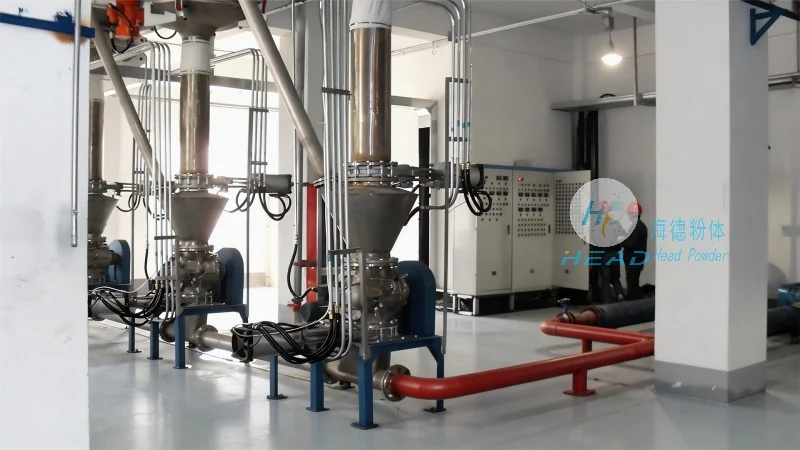
Pneumatic Conveying Systems: An Overview
Pneumatic conveying systems utilize air or gas to transport particulate materials through a pipeline network. In the context of pearl salt powder, these systems are designed to handle the unique properties of this fine, granular substance, which includes its hygroscopic nature and potential for dust generation. The primary goal is to move the salt from storage or processing units to downstream equipment such as mixers, reactors, or packaging lines while maintaining product integrity and operational efficiency.
Key Types of Pearl Salt Powder Pneumatic Conveying Systems
Several pneumatic conveying types are commonly employed for pearl salt powder, each with specific design considerations and operational advantages. The most prevalent systems include:
1. Dilute Phase Pneumatic Conveying
This system operates by introducing a high volume of air at relatively low pressure, creating a dilute mixture of salt particles and air. The particles are suspended in the air stream and transported through the pipeline. Dilute phase systems are suitable for short to medium distance transport and are effective for handling fine powders like pearl salt. They offer advantages such as low equipment cost and ease of installation, making them a popular choice for many industrial applications.
2. Dense Phase Pneumatic Conveying
In contrast to dilute phase systems, dense phase conveying uses lower air volumes at higher pressure to transport a more concentrated mixture of salt particles. The material is typically conveyed in a slug or plug flow, which reduces particle degradation and minimizes pressure drop along the pipeline. This method is ideal for longer distances and for materials that are more sensitive to abrasion or attrition. Dense phase systems are particularly beneficial when transporting pearl salt over extended distances or when maintaining product quality is paramount.
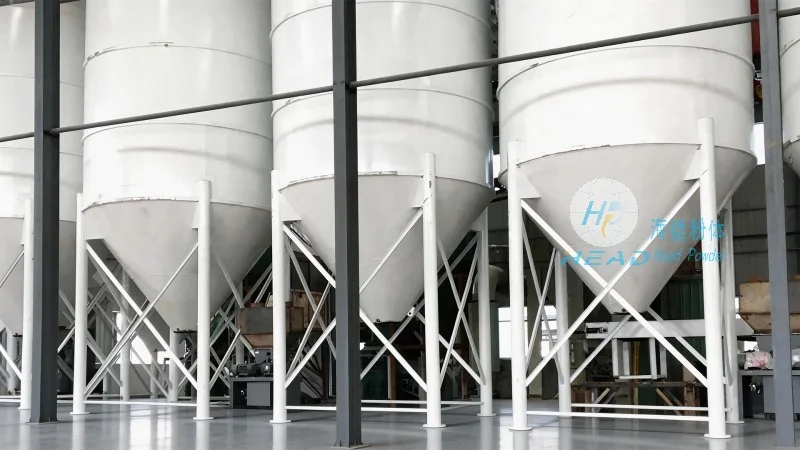
3. Hybrid Pneumatic Conveying
Hybrid systems combine elements of both dilute and dense phase operations, offering flexibility in handling varying material loads and distances. These systems can switch between phases based on operational requirements, allowing for efficient transport under different conditions. For pearl salt powder, hybrid systems provide a balanced approach, accommodating both short-distance and long-distance transport needs while optimizing energy consumption and material handling efficiency.
Distinctive Features of Pearl Salt Powder Pneumatic Conveying Systems
Effective pneumatic conveying of pearl salt powder is characterized by several key features that ensure optimal performance and product quality. These features include:
1. Material Handling Efficiency
The system's ability to transport fine powders without clogging or blockages is critical. Advanced designs incorporate features such as air locks, rotary valves, and specialized pipeline materials to prevent particle accumulation and ensure smooth flow. For pearl salt, which can be prone to sticking due to its hygroscopic properties, these features are essential to maintain consistent conveying rates and prevent system downtime.
2. Dust Control and Environmental Compliance
Pneumatic conveying systems are inherently better at controlling dust compared to traditional mechanical methods. By enclosing the material in an air stream, the system reduces airborne dust emissions, improving workplace safety and environmental compliance. This is particularly important for pearl salt, which can create respiratory hazards if not properly contained. The design of the system, including sealed components and filtration systems, plays a vital role in minimizing dust release and maintaining a clean operational environment.
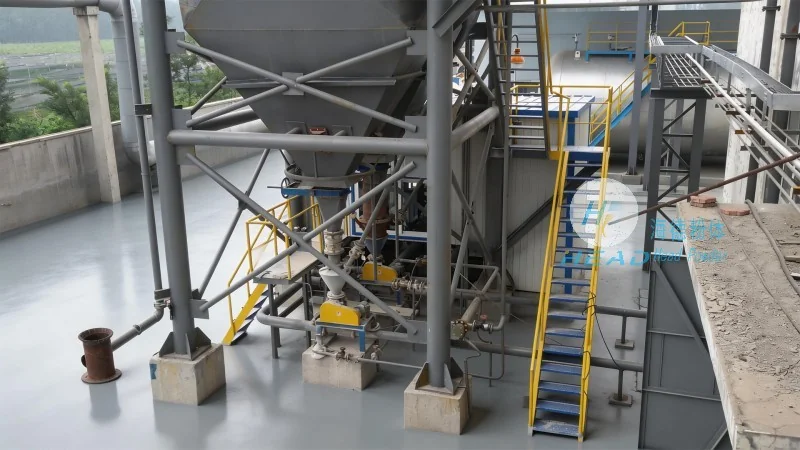
3. Energy Efficiency and Cost-Effectiveness
Modern pneumatic conveying systems are engineered to be energy-efficient, reducing operational costs while maintaining performance. Features such as variable speed drives, optimized air flow, and efficient pipeline designs contribute to lower energy consumption. For industrial operations, this translates into significant cost savings over the system's lifespan. Additionally, the reduced need for manual handling and cleaning due to better dust control further enhances overall cost-effectiveness.
Application Ranges of Pearl Salt Powder Pneumatic Conveying Systems
Pearl salt powder pneumatic conveying systems find wide application across various industries, leveraging their ability to handle fine, hygroscopic materials efficiently. The primary application areas include:
1. Food and Beverage Industry
In the food processing sector, pearl salt is used as a flavor enhancer and preservative. Pneumatic conveying systems are employed to transport the salt from storage silos to mixing and packaging lines. The systems ensure that the salt is handled hygienically, with minimal contamination risk, which is critical for food safety regulations. The ability to maintain product purity and prevent cross-contamination makes these systems indispensable in food and beverage production.
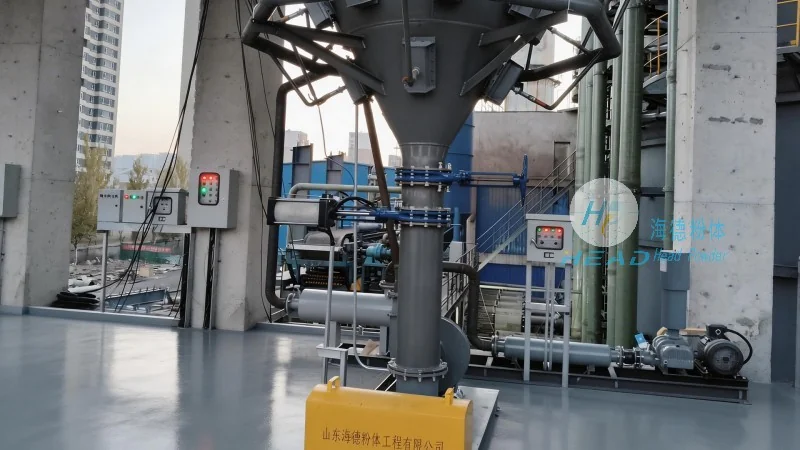
2. Pharmaceutical Industry
Pharmaceutical applications require stringent control over material handling to avoid contamination and ensure product quality. Pneumatic conveying systems are used to transport pearl salt into pharmaceutical manufacturing processes, such as in the production of tablets or capsules. The systems are designed to meet cGMP (current Good Manufacturing Practices) standards, with features like stainless steel construction, sealed components, and advanced filtration to maintain a sterile environment. This ensures that the pearl salt is handled in a manner that complies with regulatory requirements and maintains the integrity of the final pharmaceutical product.
3. Chemical Manufacturing
Chemical plants often use pearl salt as an ingredient in various formulations, including detergents, fertilizers, and industrial chemicals. Pneumatic conveying systems efficiently transport the salt from bulk storage to processing units, such as reactors or mixers. The systems are built to withstand the corrosive nature of many chemical environments, with materials like stainless steel and specialized coatings to prevent degradation. This ensures reliable operation and extends the lifespan of the equipment, even in harsh chemical processing conditions.
4. Industrial Processing and Manufacturing
Beyond food, pharma, and chemicals, pneumatic conveying systems are used in a range of industrial applications where fine powders are involved. These include the manufacturing of coatings, paints, and adhesives, where pearl salt may be used as a filler or additive. The systems provide consistent material flow, ensuring that the final products have uniform properties and meet quality standards. Additionally, in industries such as mining and mineral processing, pneumatic conveying can be used to transport other fine minerals, leveraging the same principles applied to pearl salt powder.
Conclusion
Pneumatic conveying systems for pearl salt powder offer a robust, efficient, and safe solution for material handling in various industrial sectors. By understanding the different types, key features, and application ranges of these systems, businesses can select the most appropriate technology to meet their operational needs. The systems not only enhance productivity and reduce costs but also contribute to improved workplace safety and environmental compliance. As industrial processes continue to evolve, the importance of reliable material handling solutions like pneumatic conveying will only grow, making them a critical component of modern manufacturing operations.