

Sawdust Technical Parameters and Conveying System Process
For industrial operations dealing with sawdust, a thorough understanding of its technical parameters and the design of efficient conveying systems is essential. This document aims to provide a comprehensive guide to the key specifications that influence sawdust handling and the processes involved in transporting it from one location to another. The information is presented with a focus on practical applications, ensuring clarity and relevance for professionals in the field.
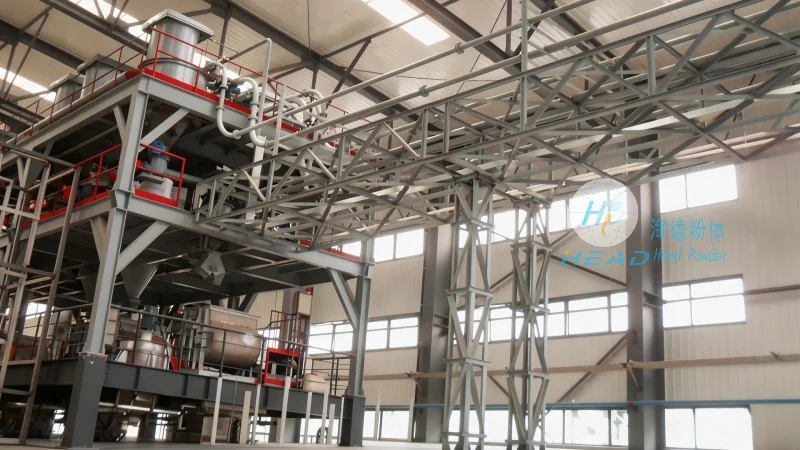
Key Technical Parameters of Sawdust
Sawdust, as a byproduct of wood processing, exhibits specific physical and chemical properties that affect its handling and transportation. Understanding these parameters is critical for selecting the appropriate conveying system and ensuring optimal performance. The primary technical parameters include:
- Particle Size Distribution: Sawdust typically consists of particles ranging from fine dust to small wood chips. The distribution of particle sizes impacts the flowability and the choice of conveying method. Fine particles may require specialized equipment to prevent clogging, while larger particles can be handled more conventionally.
- Density and Bulk Density: The density of sawdust varies depending on the type of wood and moisture content. Generally, sawdust has a bulk density ranging from 120 to 200 kg/m³. This parameter is crucial for calculating the material flow rate and the power requirements of the conveying system.
- Moisture Content: The moisture level in sawdust affects its handling characteristics. High moisture content can lead to clumping and reduced flowability, necessitating drying or the use of moisture-resistant conveying equipment. Typically, sawdust is processed with a moisture content below 10% to ensure efficient transport.
- Flowability and Angle of Repose: Sawdust's flowability is measured by its angle of repose, which indicates how easily it can be poured and contained. A typical angle of repose for sawdust is around 30-45 degrees. This property influences the design of hoppers, chutes, and storage silos to prevent material bridging and ensure smooth flow.
Conveying System Types for Sawdust
Various conveying systems are employed in the transportation of sawdust, each with its advantages and limitations. The selection of a system depends on factors such as the distance to be covered, the volume of material, and the physical properties of the sawdust. The primary types include:
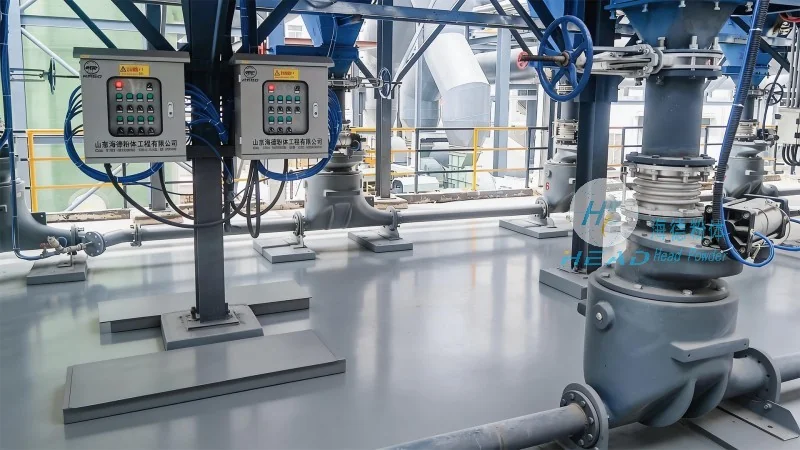
- Air-Pressure Conveying (Pneumatic Conveying): This method uses compressed air to transport sawdust through a pipeline. It is suitable for long-distance and high-volume applications, offering flexibility in layout and the ability to handle fine particles without clogging. However, it requires higher energy input and careful maintenance of the air system.
- Positive Displacement Conveying: This system uses a pump or blower to move sawdust through a closed pipe. It is ideal for short to medium distances and can handle abrasive materials. Positive displacement conveyors are reliable and efficient for consistent material flow, making them a popular choice in many sawdust processing plants.
- Mechanical Conveying: Mechanical systems, such as belt conveyors, screw conveyors, and bucket elevators, are commonly used for sawdust transport. These systems are cost-effective and straightforward to operate, suitable for horizontal or vertical transport. Belt conveyors are particularly effective for long horizontal runs, while screw conveyors excel in vertical or inclined applications.
Design Considerations for Sawdust Conveying Systems
The design of a sawdust conveying system involves several critical considerations to ensure reliability, efficiency, and safety. These include:
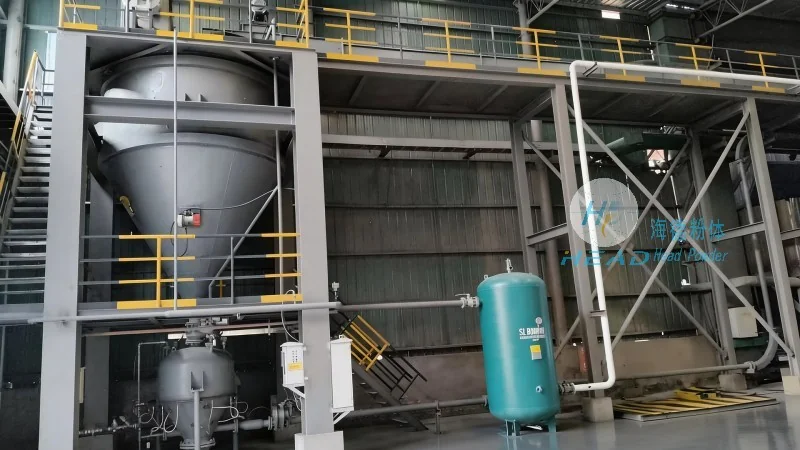
- Pipeline and Equipment Selection: The choice of pipeline material (e.g., stainless steel, plastic) and equipment (e.g., fans, pumps) must be based on the sawdust's properties and the system's requirements. Stainless steel is preferred for its resistance to corrosion and wear, while plastic pipes are suitable for non-abrasive materials.
- Prevention of Clogging and Blockages: Sawdust can easily clog conveying systems, especially in pneumatic systems. Proper design, including the use of filters, cyclones, and regular maintenance, is essential to prevent blockages. The system should also incorporate cleaning mechanisms to remove accumulated material.
- Energy Efficiency and Maintenance: Efficient energy use is a key consideration in modern conveying systems. The selection of appropriate motors and control systems helps reduce operational costs. Regular maintenance, including cleaning, lubrication, and inspection of components, is vital to ensure the longevity and performance of the system.
- Environmental and Safety Measures: Sawdust handling involves dust control measures to prevent airborne particles and ensure worker safety. The system should include dust collection and filtration equipment to comply with environmental regulations. Additionally, safety features such as emergency stop buttons and protective guards are essential to prevent accidents.
Application Examples and Case Studies
HeadPowder, a leading engineering company based in Shandong, China, has extensive experience in designing and implementing sawdust conveying systems for various industries. The company's expertise lies in customizing solutions to meet specific client needs, ensuring optimal performance and reliability. For instance, a case study from a wood processing plant demonstrated the successful implementation of a pneumatic conveying system that reduced material handling time by 30% and improved overall efficiency.