

[Fertilizer Technical Parameters and Conveying System Process]
Shandong HeadPowder Engineering Co., Ltd., a leading enterprise in the fertilizer industry, specializes in the design, manufacturing, and installation of advanced fertilizer conveying systems. Based in Shandong, China, the company leverages decades of experience to deliver high-efficiency solutions tailored to the unique needs of agricultural and industrial clients. This article explores the critical technical parameters and the sophisticated process of fertilizer conveying systems, highlighting the engineering excellence that defines the company's offerings.
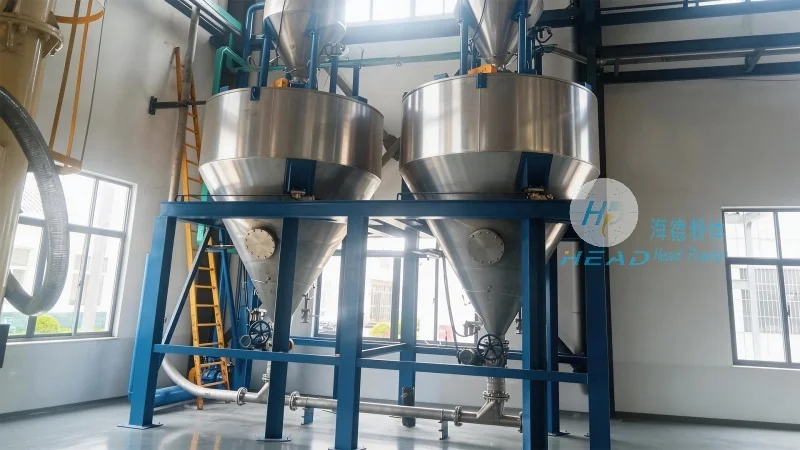
Key Technical Parameters for Fertilizer Conveying Systems
The performance and reliability of fertilizer conveying systems are determined by several key technical parameters that must be carefully considered during the design and implementation phases. These parameters ensure optimal material handling, energy efficiency, and operational safety. The primary technical parameters include:
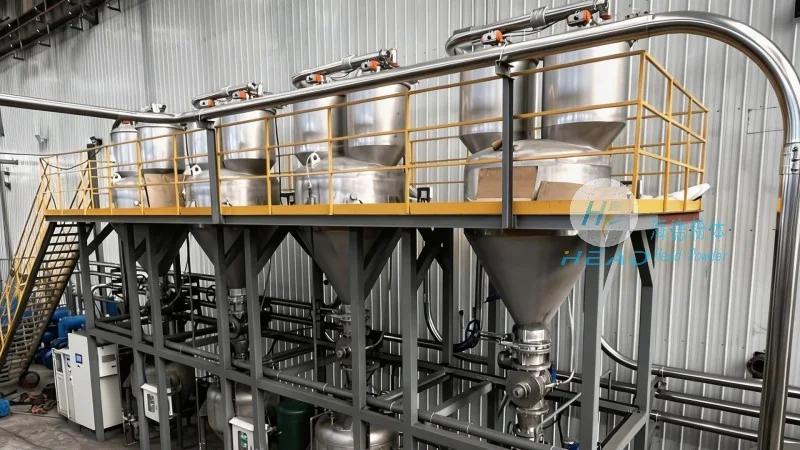
- Material Characteristics: Fertilizers vary widely in terms of particle size, moisture content, bulk density, and flowability. For instance, granular fertilizers like urea or compound fertilizers have different handling properties compared to powders such as ammonium nitrate. Understanding these characteristics is essential to select the appropriate conveyor type and components.
- Conveyor Capacity: The system's capacity, measured in tons per hour (t/h), is a critical parameter that dictates the throughput of the fertilizer. It is influenced by factors like the conveyor speed, belt width, and the type of loading and unloading mechanisms. Proper capacity calculation ensures that the system can meet production demands without bottlenecks.
- Power Consumption: Energy efficiency is a major consideration in modern fertilizer processing. The power consumption of the conveying system, typically expressed in kilowatts (kW), is influenced by the motor size, drive system, and the friction losses in the conveyor components. Advanced systems employ energy-saving technologies, such as variable frequency drives (VFDs), to optimize power usage while maintaining performance.
- Operating Pressure and Temperature: Certain fertilizer types, especially those with high moisture content or those that are prone to caking, require specific operating conditions. The system must be designed to handle the required pressure and temperature ranges to prevent material degradation or equipment damage. For example, systems handling hot melt fertilizers may need temperature-controlled components to maintain product integrity.
- Safety and Environmental Standards: Compliance with safety and environmental regulations is non-negotiable in the fertilizer industry. Technical parameters related to dust control, explosion-proof design, and emission reduction are integral to modern conveying systems. These standards ensure that the equipment operates safely and minimizes the environmental impact of fertilizer handling.
The Process of Fertilizer Conveying Systems
The process of fertilizer conveying involves a series of integrated steps that transform raw fertilizer materials into a uniform, transportable product. The workflow typically begins with material reception and storage, followed by processing, conveying, and packaging. Each stage is optimized to maximize efficiency and minimize waste. The core components and their functions are as follows:
- Reception and Storage: Raw fertilizer materials are received from suppliers and stored in bulk storage silos or hoppers. This stage ensures a continuous supply of material to the processing line. The storage system is designed to accommodate different fertilizer types and sizes, with features like aeration and temperature control to prevent material degradation.
- Processing and Conditioning: Before conveying, the fertilizer may undergo processing steps such as screening, crushing, or blending to achieve the desired particle size and composition. Conditioning, such as adding anti-caking agents or adjusting moisture content, is also performed to improve flowability and prevent clogging in the conveyor system.
- Conveying: The processed fertilizer is then transferred through the conveying system. Common types of conveyors used include belt conveyors, screw conveyors, pneumatic conveyors, and bucket elevators. The choice of conveyor depends on the material characteristics and the required capacity. For example, belt conveyors are ideal for bulk handling of granular fertilizers, while pneumatic systems are suitable for fine powders.
- Transfer and Distribution: The conveyed fertilizer is transferred to the packaging or blending area. Transfer points are equipped with flow control devices to regulate the material flow and prevent surges or blockages. The system may include multiple transfer points to distribute the fertilizer to different packaging lines or storage tanks.
- Packaging and Storage: The final step involves packaging the fertilizer into bags or containers for distribution. The packaging line is integrated with the conveying system to ensure a seamless flow from the processing stage to the final product. The packaged fertilizer is then stored in warehouse facilities before dispatch.
Engineering Excellence and Customization
Shandong HeadPowder Engineering Co., Ltd. stands out in the fertilizer industry by offering customized solutions that address the specific challenges faced by clients. The company's engineering team works closely with clients to understand their operational requirements and design systems that meet their unique needs. Key aspects of their approach include:
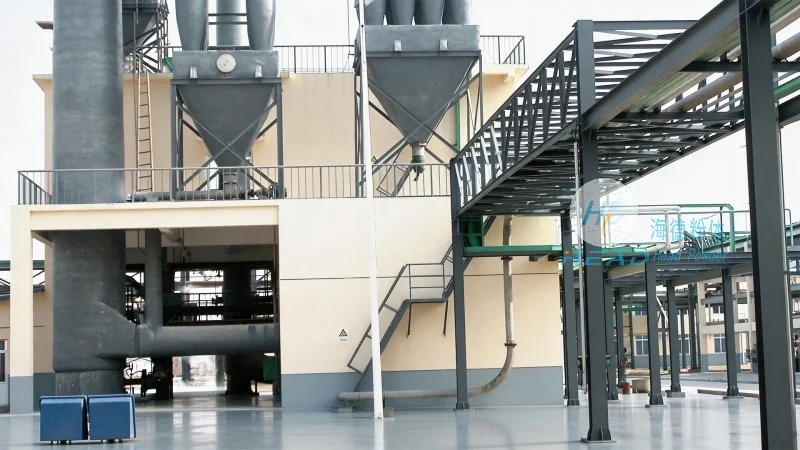
- Custom Design: Each fertilizer conveying system is tailored to the client's specific application. This includes selecting the appropriate conveyor type, motor size, and control systems based on the material characteristics and production capacity. The company uses advanced software tools to simulate the system performance and optimize the design before manufacturing.
- Material Selection: The choice of materials for conveyor components is critical to ensure durability and resistance to corrosion. For example, stainless steel or special alloys are used for components that come into contact with acidic or corrosive fertilizers. The company selects materials that match the chemical properties of the fertilizer to prevent degradation and equipment failure.
- Integration and Automation: Modern fertilizer conveying systems are highly automated, with integrated control systems that monitor and control the entire process. The company implements advanced control technologies, such as PLC (Programmable Logic Controller) systems, to ensure smooth operation and real-time monitoring of key parameters. Automation reduces human error, improves efficiency, and enhances safety.
- Installation and Commissioning: The company provides comprehensive installation and commissioning services to ensure that the system is installed correctly and operates as designed. Trained engineers conduct on-site installation, perform system testing, and provide training to the client's staff to ensure proper operation and maintenance.
Conclusion
Effective fertilizer conveying systems rely on a combination of precise technical parameters and a well-designed process. Shandong HeadPowder Engineering Co., Ltd. leverages its expertise in engineering and material handling to deliver high-performance systems that meet the demands of the fertilizer industry. By focusing on customization, efficiency, and safety, the company provides solutions that enhance productivity and ensure the quality of fertilizer products. For clients seeking reliable and efficient fertilizer conveying systems, Shandong HeadPowder Engineering Co., Ltd. is a trusted partner with a proven track record of excellence.