

Technical Parameters and Conveying System Process for Monosodium Glutamate
Monosodium glutamate (MSG), commonly known as MSG, is a widely used flavor enhancer in the food industry. Understanding its technical parameters and the efficient conveyance systems is crucial for manufacturers to ensure quality, safety, and operational efficiency. This article provides an in-depth look at the key technical specifications of monosodium glutamate and the advanced conveying systems designed to handle this product effectively.
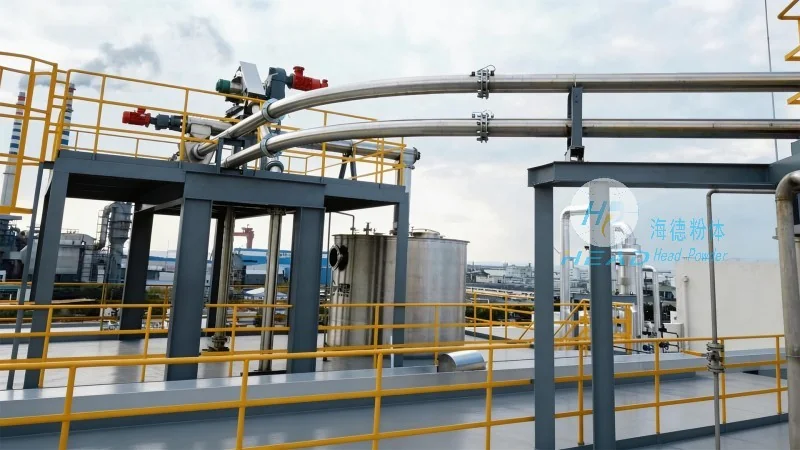
Key Technical Parameters of Monosodium Glutamate
The technical parameters of monosodium glutamate are critical for its application in various food products. These parameters include but are not limited to purity, moisture content, particle size distribution, and solubility. The purity of monosodium glutamate is typically high, often exceeding 99% to meet stringent food safety standards. Moisture content is carefully controlled to prevent caking and maintain product stability during storage and transportation. Particle size distribution affects the product's flowability and dissolution rate, which are essential for consistent flavor enhancement in food processing. Solubility in water is another key parameter, as it determines how quickly the flavor can be released in aqueous solutions. These parameters are meticulously monitored and regulated by manufacturers to ensure that the final product meets both industry standards and consumer expectations.
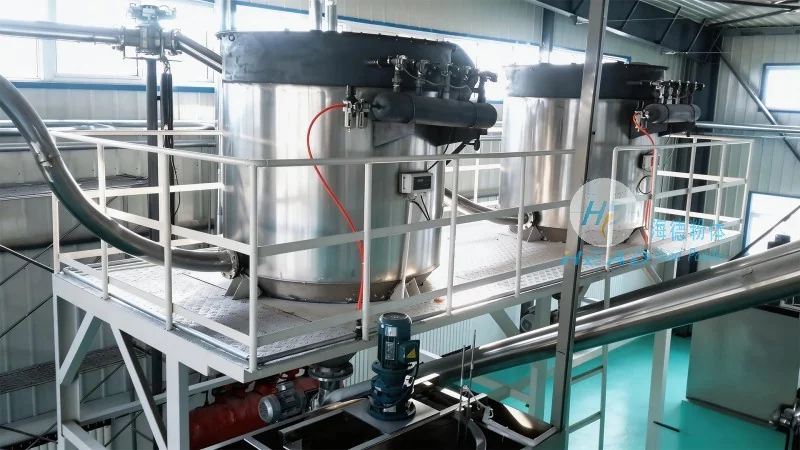
Conveying System Design for Monosodium Glutamate
The design of a conveying system for monosodium glutamate must address several challenges, including the product's hygroscopic nature, potential for caking, and the need for gentle handling to preserve its quality. Conventional conveying methods such as belt conveyors or screw conveyors may not be suitable due to the risk of product degradation or blockages. Therefore, specialized systems are employed to ensure smooth and efficient transport. For instance, pneumatic conveying systems are often used for bulk handling, as they can transport monosodium glutamate in a dry, dust-free environment, minimizing the risk of contamination and product loss. These systems utilize air pressure to move the product through pipelines, allowing for precise control over flow rates and reducing the need for manual handling. Additionally, the use of stainless steel components in the conveying equipment is essential to prevent corrosion and maintain hygiene standards, which are paramount in food processing applications.
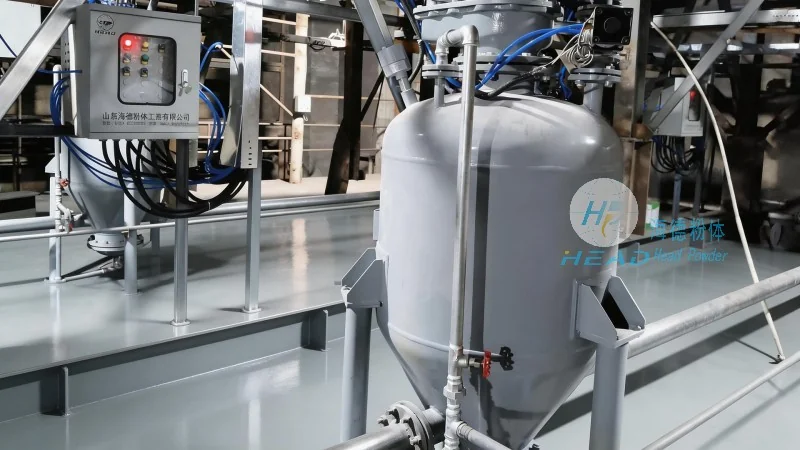
Process Integration and Operational Efficiency
The integration of monosodium glutamate conveying systems with overall production processes is vital for optimizing operational efficiency. This involves coordinating with other equipment such as storage silos, mixing tanks, and packaging machinery to create a seamless workflow. The design of the conveying system must consider factors like material flow rates, storage capacity, and the need for real-time monitoring of product levels. Automation plays a significant role in enhancing efficiency, with sensors and control systems providing real-time data on the conveying process. This allows for adjustments to be made promptly, ensuring that the system operates at peak performance and minimizing downtime. Furthermore, the use of energy-efficient components and optimized system layouts helps reduce operational costs while maintaining high standards of product quality and safety.
Quality Assurance and Compliance
Ensuring that the conveying system and the monosodium glutamate product meet regulatory requirements is a top priority for manufacturers. This includes adherence to food safety guidelines, such as those set by the FDA and other international regulatory bodies. Regular maintenance and cleaning of the conveying equipment are essential to prevent cross-contamination and maintain product purity. The use of CIP (Clean-in-Place) systems in the conveying process helps maintain hygiene standards without interrupting production. Additionally, quality control measures such as regular testing of product samples for purity, moisture content, and particle size ensure that the final product meets the specified technical parameters. These measures not only meet regulatory requirements but also build consumer trust and enhance the reputation of the manufacturer.
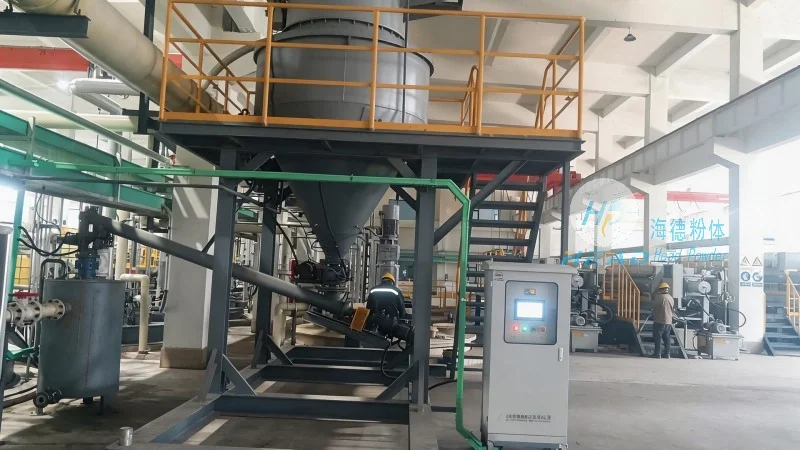
Conclusion
In conclusion, the technical parameters of monosodium glutamate and the design of its conveying system are integral to the success of food processing operations. By understanding and implementing the appropriate technical specifications and conveying systems, manufacturers can ensure the quality, safety, and efficiency of their products. The expertise of companies like Shandong HeadPowder Engineering Co., Ltd. in designing and implementing these systems is crucial for meeting the demands of the modern food industry. With a focus on precision, hygiene, and operational efficiency, these systems contribute to the production of high-quality monosodium glutamate that meets both industry standards and consumer expectations.