

[WOKING PRINCIPLE AND CHARACTERISTICS OF SILICA FUME PNEUMATIC CONVEYING]
Silica fume, also known as microsilica, is a byproduct of silicon metal or ferrosilicon production, widely used in concrete, refractory materials, and other industrial applications due to its high purity and fine particle size. Pneumatic conveying is a key technology for transporting silica fume efficiently and safely from production sites to processing facilities. This article explores the working principle and key characteristics of silica fume pneumatic conveying systems, highlighting the technical aspects and operational advantages of this method.
Working Principle of Silica Fume Pneumatic Conveying
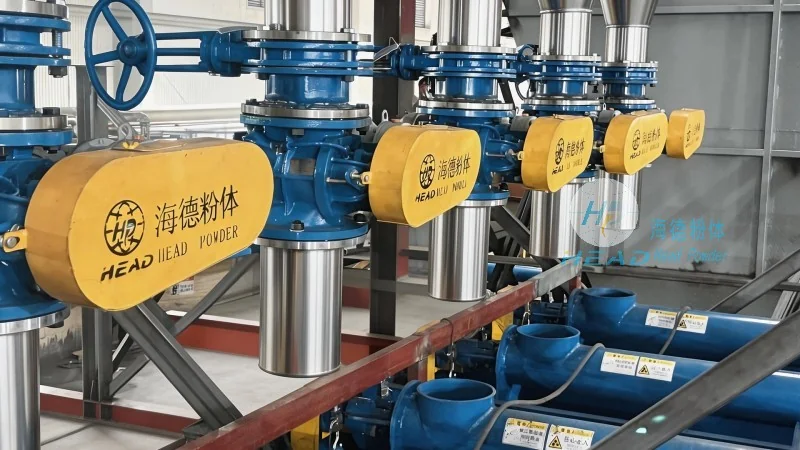
The core of silica fume pneumatic conveying lies in the use of air or other gases to transport the fine powder through a pipeline system. The process typically involves several stages, starting with the feeding of silica fume into a hopper or silo. From there, the material is drawn into a conveyor line by a vacuum or pressure source, depending on the system design. The air flow, controlled by a blower or compressor, creates a stream that carries the silica fume particles through the pipeline. Key components include the hopper, feeder, pipeline, and receiver, each playing a critical role in ensuring the smooth and continuous transport of the material. The system operates by maintaining a consistent air velocity above the material's terminal velocity, preventing particle deposition and ensuring reliable flow. This principle allows for the efficient transfer of silica fume over varying distances, from short on-site transfers to long-distance industrial logistics.
Key Characteristics of Silica Fume Pneumatic Conveying Systems
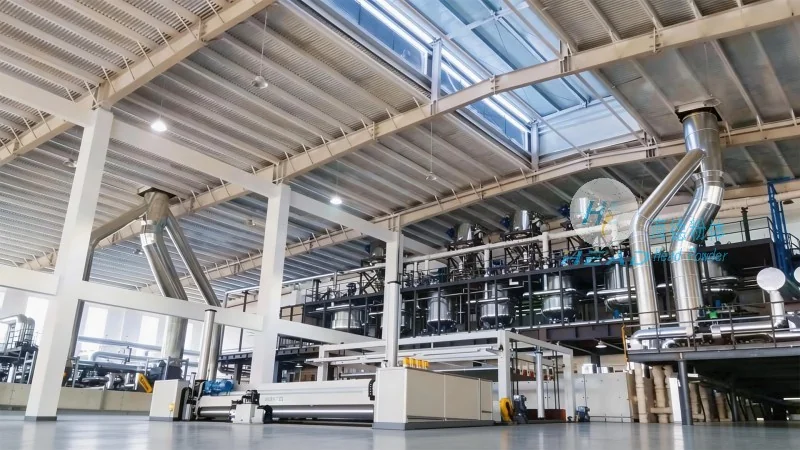
Several distinct characteristics define the performance and suitability of silica fume pneumatic conveying systems. Firstly, the system's ability to handle fine, cohesive powders like silica fume is a major advantage. Unlike bulk materials, fine powders can be prone to caking and blockages, but pneumatic conveying mitigates these issues by keeping the material in suspension with the air stream. This ensures consistent flow rates and reduces maintenance needs for the conveyor components. Secondly, the system offers high transport efficiency, with minimal material loss and low energy consumption compared to traditional methods such as bucket elevators or belt conveyors. The use of air as the conveying medium allows for gentle handling of the silica fume particles, preserving their quality and preventing degradation. Thirdly, the flexibility of pneumatic conveying systems is notable. They can be easily adapted to different plant layouts and operational requirements, with options for both vacuum and pressure systems to suit specific application needs. Additionally, the system's compact design and ability to integrate with existing industrial infrastructure make it a practical choice for many silica fume processing facilities. Finally, the environmental benefits of pneumatic conveying are significant. By containing the material within a closed pipeline system, the process reduces dust emissions and improves workplace safety, aligning with modern industrial standards for environmental protection.
Technical Considerations and Operational Advantages
When implementing silica fume pneumatic conveying systems, several technical considerations are essential for optimal performance. The selection of the appropriate air velocity is critical, as it must be sufficient to keep the silica fume particles in suspension but not excessively high to waste energy. The pipeline diameter and length also impact the system's efficiency, with larger diameters and shorter lengths generally reducing pressure drop and energy consumption. The choice between vacuum and pressure systems depends on the distance and elevation changes between the feed and discharge points. Vacuum systems are often used for short-distance, low-elevation transfers, while pressure systems are preferred for longer distances or when the discharge point is at a higher elevation. Additionally, the use of special materials for the pipeline and components is important to prevent corrosion or abrasion from the silica fume particles. For example, stainless steel or high-quality plastic liners are commonly used to ensure durability and longevity. Operational advantages of these systems include reduced labor costs due to automated feeding and transport, improved material handling safety, and the ability to integrate with other processing equipment seamlessly. The consistent and reliable transport of silica fume also enhances the overall productivity of the industrial processes that rely on it, such as concrete production or refractory manufacturing.
Conclusion and Application Scope
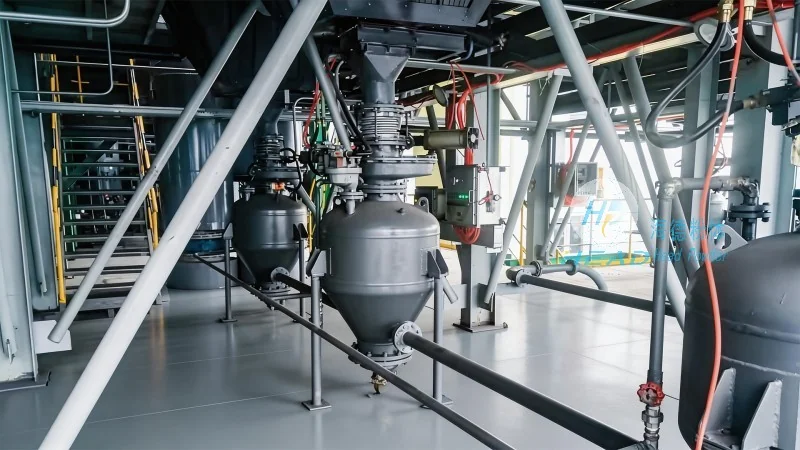
In conclusion, silica fume pneumatic conveying is a highly effective and efficient method for transporting fine powders like silica fume. The working principle, based on air suspension and pipeline transport, offers several key advantages including gentle material handling, high transport efficiency, and flexibility in system design. These characteristics make it an ideal solution for industrial applications where the quality and purity of silica fume must be maintained throughout the transport process. The system's ability to handle varying material conditions and operational requirements further enhances its versatility, making it a preferred choice for many silica fume processing facilities. As a result, pneumatic conveying systems play a crucial role in the supply chain of silica fume, ensuring that this valuable material is delivered to processing sites in a safe, efficient, and cost-effective manner. The technology continues to evolve with advancements in material handling and energy efficiency, further improving its suitability for modern industrial applications.