

Working Principle and Features of Grass Meal Powder Pneumatic Conveying Lines
HeadPowder, a leading manufacturer based in Shandong, China, specializes in the design, production, and installation of advanced pneumatic conveying systems for various powder materials, including grass meal. This article provides an in-depth exploration of the working principle and key features of grass meal powder pneumatic conveying lines, highlighting how these systems enhance efficiency and reliability in material handling processes.
Company Overview
HeadPowder Engineering Co., Ltd. is a professional enterprise dedicated to providing high-quality pneumatic conveying solutions. With a strong commitment to innovation and customer satisfaction, the company has established itself as a trusted partner in the industry. HeadPowder's headquarters is located in Shandong, China, where the company leverages advanced technology and skilled expertise to develop cutting-edge equipment tailored to the specific needs of clients.
Introduction to Grass Meal Powder Pneumatic Conveying Lines
Grass meal, a byproduct of agricultural processing, is commonly used as animal feed and in various industrial applications. Handling this material efficiently requires specialized equipment to ensure minimal loss, contamination, and operational downtime. Pneumatic conveying systems offer a solution by transporting powder materials through a pressurized or vacuum environment using air or other gases. For grass meal, which is often fine and prone to dust, a well-designed pneumatic conveying line is essential to maintain product quality and operational safety.
The Working Principle of Grass Meal Powder Pneumatic Conveying Lines
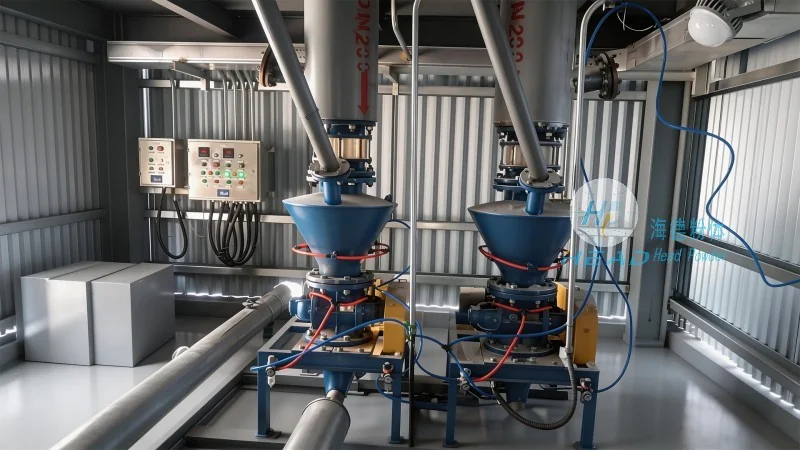
The core mechanism of a grass meal powder pneumatic conveying line involves the use of a blower or compressor to generate airflow, which then propels the powder particles through a network of pipes. The system typically consists of several key components, including a hopper for material storage, a feeder to control the flow rate, a conveying line with appropriate pipe diameter and bends, and a receiver for the discharged material. The working principle can be categorized into two main types: pressure and vacuum systems.
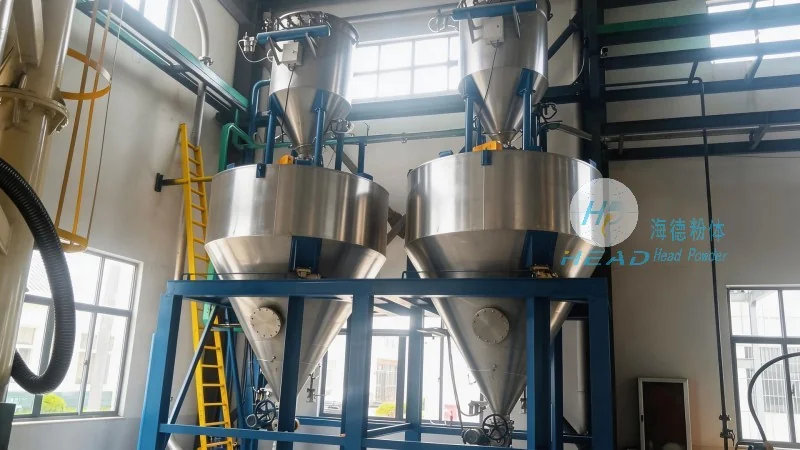
In a pressure system, the blower creates positive pressure within the conveying line, pushing the powder from the hopper to the receiver. This method is suitable for short to medium-distance conveying and is effective for materials that are free-flowing and non-abrasive. The pressure system ensures consistent flow rates and can handle larger volumes of material. Conversely, a vacuum system uses a vacuum pump to create negative pressure, drawing the powder from the hopper into the conveying line and toward the receiver. Vacuum systems are ideal for longer distances and for materials that are more cohesive or require gentle handling to prevent degradation.
For grass meal, which is often fine and may have a tendency to agglomerate, the choice of system depends on the specific application and distance requirements. Pressure systems are commonly used for shorter conveying distances, such as within a farm or feed mill, while vacuum systems may be preferred for longer distances or when transporting material over multiple stages. The design of the conveying line, including the selection of pipe material (e.g., stainless steel to prevent corrosion) and the inclusion of filters and cyclones, plays a critical role in maintaining the quality of the grass meal and preventing system blockages.
Key Features of Grass Meal Powder Pneumatic Conveying Lines
HeadPowder's grass meal powder pneumatic conveying lines are characterized by several key features that enhance performance and reliability. Firstly, the systems are designed with material compatibility in mind, using corrosion-resistant materials like stainless steel to prevent contamination and ensure the longevity of the equipment. This is particularly important for grass meal, which may contain moisture and organic compounds that can degrade standard metal components.
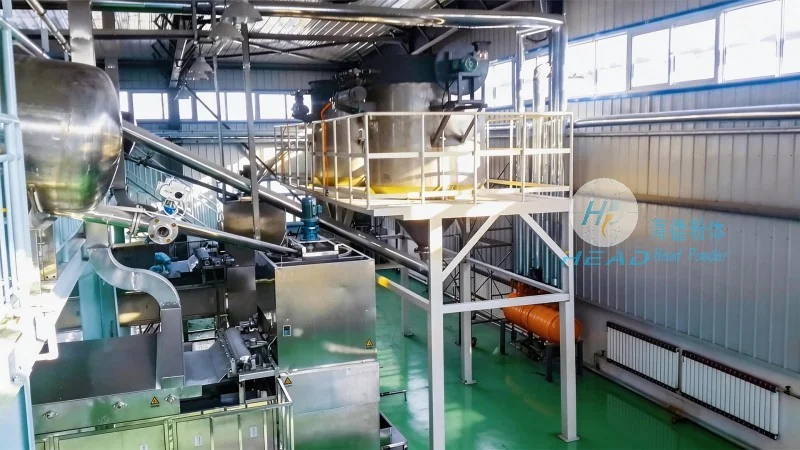
Secondly, the conveying lines are equipped with advanced control systems that allow for precise regulation of airflow and material flow rates. These systems help maintain consistent product quality by preventing overloading or underloading of the system, which can lead to uneven distribution or system inefficiencies. The control panels often include sensors and indicators to monitor pressure, flow, and temperature, providing real-time feedback to operators and enabling proactive maintenance.
Thirdly, the design incorporates features to minimize dust generation and improve safety. For example, the use of sealed hoppers and receivers reduces the risk of dust exposure, while the inclusion of dust collection systems ensures compliance with environmental regulations. Additionally, the systems are engineered for easy cleaning and maintenance, with removable components that can be cleaned without disassembling the entire line. This reduces downtime and ensures that the system remains operational even during routine maintenance.
Another notable feature is the flexibility of the conveying lines, which can be customized to accommodate different conveying distances, material volumes, and application requirements. HeadPowder offers a range of options, from simple single-stage systems to complex multi-stage networks, allowing clients to choose the most suitable solution for their specific needs. The company also provides comprehensive installation and commissioning services, ensuring that the system is set up correctly and operates at optimal efficiency from the start.
Benefits of Using Grass Meal Powder Pneumatic Conveying Lines
Implementing a pneumatic conveying system for grass meal offers numerous benefits that improve overall operational efficiency and product quality. One of the primary advantages is the reduction in material handling time and labor costs. By automating the transportation of grass meal from storage to processing areas, the system minimizes the need for manual handling, which can be time-consuming and prone to errors. This leads to increased productivity and lower operational costs.
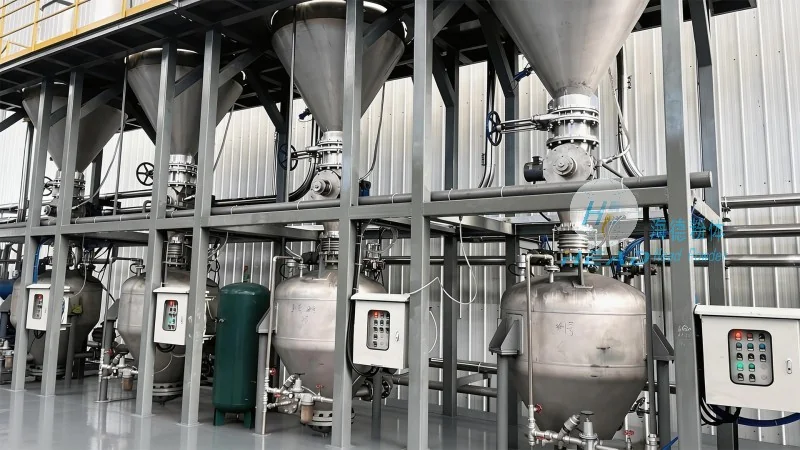
Additionally, pneumatic conveying systems help maintain the quality of the grass meal by preventing contamination and degradation. Unlike traditional methods such as bucket elevators or belt conveyors, which can cause friction and heat buildup, pneumatic systems use air to transport the material, reducing the risk of moisture absorption or oxidation. This is particularly important for grass meal, which is sensitive to changes in moisture content and temperature.
The systems also enhance safety in the workplace by reducing dust exposure and minimizing the risk of material spills. The sealed design of the conveying line prevents dust from escaping into the environment, protecting both workers and the surrounding area. Furthermore, the use of automated controls reduces the risk of human error, ensuring that the system operates safely and consistently.
Finally, the flexibility and scalability of the pneumatic conveying lines allow for future expansion as business needs change. Whether a farm expands its feed production or a feed mill increases its processing capacity, the system can be easily modified or expanded to accommodate the additional material. This makes the investment in a pneumatic conveying line a long-term solution that grows with the business.