

Working Principle and Features of Aggregate Material Pneumatic Conveying Systems
For industries dealing with bulk materials, especially aggregates like sand, gravel, and crushed stone, efficient material handling is crucial for maintaining productivity and operational efficiency. Pneumatic conveying systems offer a versatile and effective solution for transporting these materials over short to medium distances. This article explores the working principle and key features of aggregate material pneumatic conveying systems, highlighting how they enhance material handling processes.
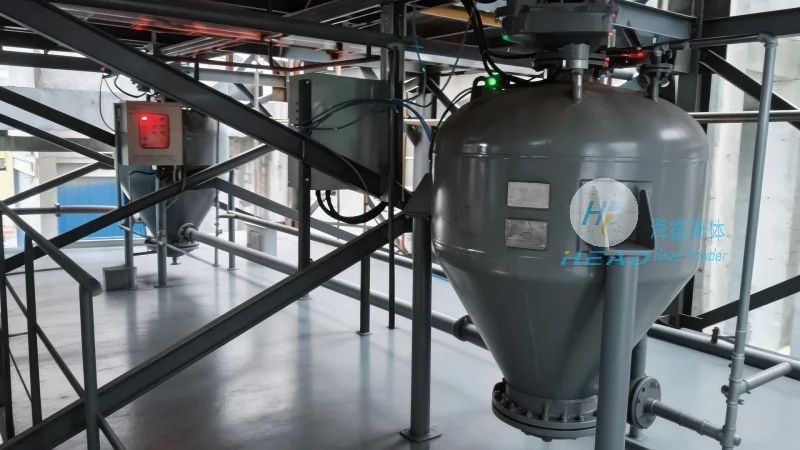
Understanding the Working Principle of Pneumatic Conveying Systems
The core of a pneumatic conveying system is the use of air or gas to transport solid materials through a pipeline. The system typically consists of a hopper for material storage, a conveyor line, and a receiver for the discharged material. The process begins when material is fed into the hopper, where it is then drawn into the conveyor line by a vacuum or pressure created by a fan or blower. As the material moves through the pipeline, it is carried by the air stream, which can be either positive pressure (blowing air into the line) or negative pressure (sucking air out of the line). The choice between these methods depends on the specific application, material characteristics, and system design requirements.
Key components of a pneumatic conveying system include the material feeder, which controls the flow rate of the aggregate into the system; the air mover (fan or blower), which provides the necessary air flow and pressure; the pipeline, which transports the material and air; and the separation equipment, such as cyclones or filters, which separates the material from the air at the receiving end. The system operates by creating a pressure differential that propels the material forward, ensuring a continuous and controlled flow of aggregate from the source to the destination.
Key Features and Advantages of Aggregate Material Pneumatic Conveying Systems
Aggregate material pneumatic conveying systems offer several distinct advantages that make them ideal for various industrial applications. One of the primary benefits is their ability to handle a wide range of material types, including fine powders, granules, and bulk solids, with minimal degradation or loss. This is particularly important for aggregates, which can be sensitive to handling methods that cause breakage or segregation.
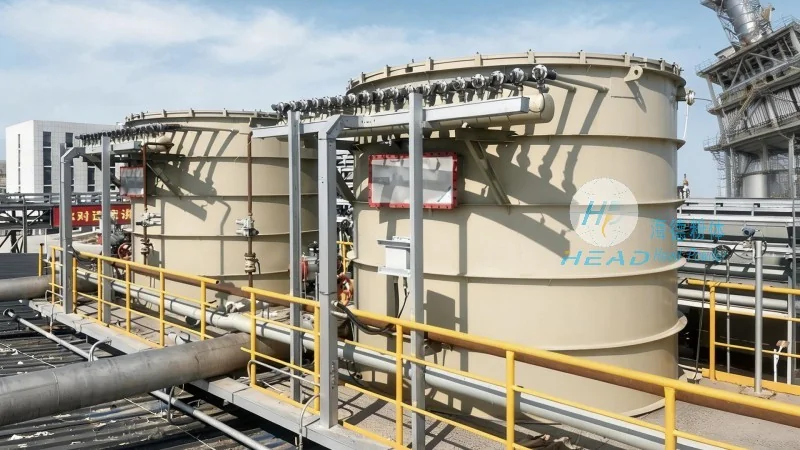
Another significant feature is the system's flexibility in terms of layout and installation. Pneumatic conveying systems can be configured to follow complex routes, including vertical lifts and horizontal turns, without the need for additional mechanical components like conveyors or elevators. This makes them suitable for spaces with limited room or where traditional material handling equipment is impractical. Additionally, the system is relatively compact and can be integrated into existing facilities with minimal disruption to operations.
Operational efficiency is another key advantage. Pneumatic conveying systems can operate continuously with minimal downtime, as they do not require frequent maintenance or adjustments compared to other material handling methods. The use of air as the conveying medium also reduces the risk of material contamination, which is critical for aggregates used in construction, manufacturing, or other applications where purity is essential. Furthermore, the system can be easily scaled to accommodate varying material volumes, allowing for flexibility in production planning and capacity management.
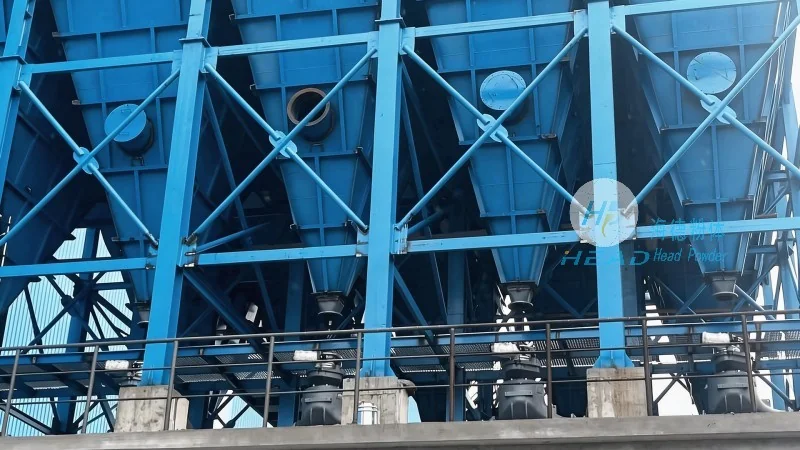
Applications and Industry Use Cases
Pneumatic conveying systems for aggregate materials are widely used across various industries, including construction, mining, and manufacturing. In the construction industry, these systems are commonly employed to transport sand, gravel, and crushed stone from storage silos to mixing plants or job sites. The ability to handle bulk materials efficiently and safely reduces labor costs and improves the speed of material delivery, which is vital for meeting project deadlines.
In the mining sector, pneumatic conveying is used to transport crushed ore or rock from processing facilities to storage areas or for further processing. The system's ability to handle abrasive materials without causing wear and tear on components makes it a reliable choice for long-term operation in harsh mining environments. Similarly, in manufacturing, such as the production of concrete or asphalt, pneumatic conveying systems ensure a consistent and controlled supply of aggregates to production lines, enhancing product quality and reducing waste.
Conclusion and Company Overview
Aggregate material pneumatic conveying systems represent a sophisticated and efficient solution for material handling in industries that rely on bulk aggregates. By leveraging the principles of pneumatic transport, these systems offer advantages in terms of flexibility, efficiency, and material integrity. As a leading provider in the field, Shandong HeadPowder Engineering Co., Ltd. specializes in designing and manufacturing customized pneumatic conveying solutions tailored to the specific needs of each client. With a focus on innovation and quality, HeadPowder ensures that their systems meet the highest standards of performance and reliability, helping businesses optimize their material handling processes and improve overall operational efficiency.