

Principle and Application Scenarios of Pigment Powder Pneumatic Conveying Systems
HeadPowder, a leading provider of industrial material handling solutions, specializes in the design and manufacturing of advanced pneumatic conveying systems for powdered pigments. These systems are engineered to efficiently transport pigment powders from storage to processing units, ensuring consistent quality and minimal product degradation. The core principle of pneumatic conveying involves using air or gas to move bulk materials through a pipeline network, offering a flexible and reliable method for handling sensitive pigments.
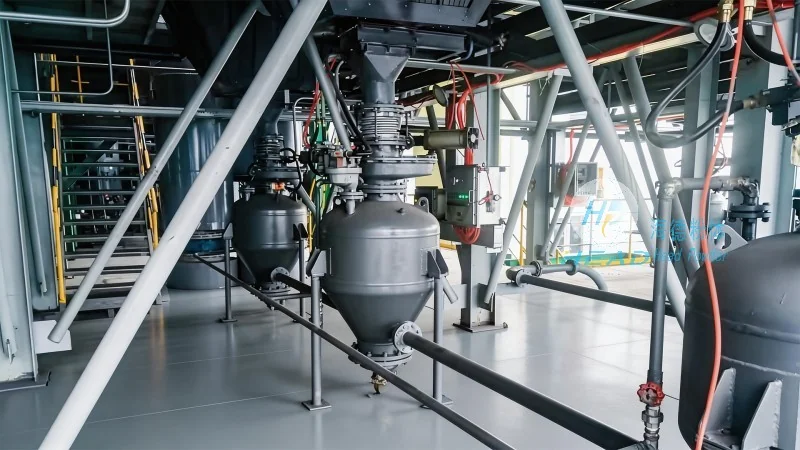
Principle of Pneumatic Conveying for Pigment Powders
The pneumatic conveying process for pigment powders operates on the fundamental principle of creating a pressure differential between the material source and the destination. By generating airflow within the conveying line, the system lifts and transports the pigment particles. There are two primary types of pneumatic conveying: dilute-phase and dense-phase. Dilute-phase systems use high-velocity air to move particles in a dispersed state, suitable for short-distance transport and low to medium material loads. Dense-phase systems, on the other hand, employ lower air velocities and higher material concentrations, ideal for longer distances and handling abrasive or valuable pigments. HeadPowder’s systems are designed to optimize these principles, ensuring efficient and safe transport while maintaining the integrity of the pigment particles.
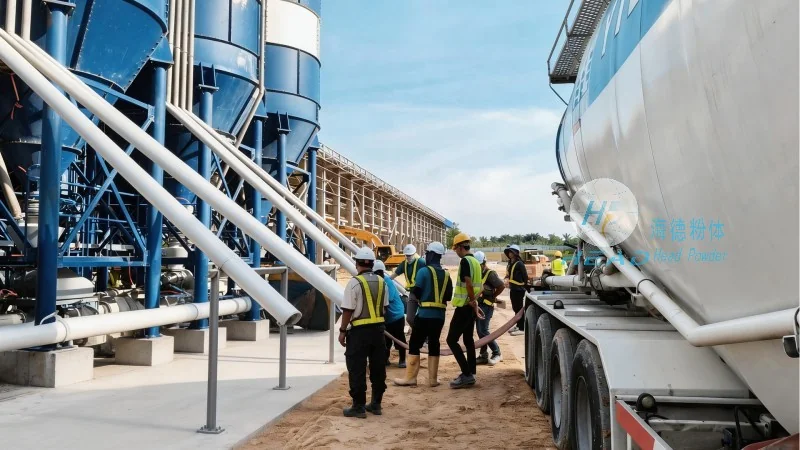
Key Components and Working Mechanism
At the heart of a pigment powder pneumatic conveying system are several critical components that work in tandem to achieve effective material transport. The main components include a material feeder, which accurately meters the pigment powder into the conveying line; a conveying line (typically made of stainless steel to prevent contamination and corrosion); a pressure vessel or receiver at the destination to collect the material; and a blower or compressor that generates the necessary airflow. The feeder ensures a consistent flow rate, preventing overloading or underloading of the system. The conveying line’s design, including bends and fittings, is optimized to minimize pressure loss and maintain the material’s flowability. The receiver is equipped with a discharge valve to control the release of the pigment into the processing equipment. The blower provides the driving force, with adjustable speed and pressure to match the specific requirements of the pigment being conveyed. HeadPowder’s engineers carefully select and integrate these components to create a system that is both efficient and durable, tailored to the unique characteristics of each pigment application.
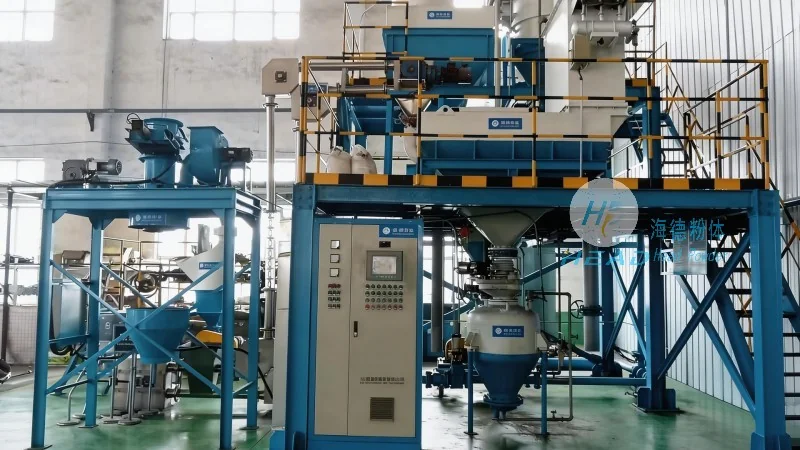
Application Scenarios and Operational Characteristics
Pigment powder pneumatic conveying systems are widely used in various industrial sectors, including the paint and coatings industry, plastics manufacturing, and pharmaceuticals. In the paint industry, these systems are essential for transporting high-quality pigments from storage silos to mixing and coating lines, ensuring uniform color and consistent product quality. The ability to handle fine powders without agglomeration or segregation is crucial, as pigments are often sensitive to moisture and temperature changes. In plastics manufacturing, the systems are used to feed pigment powders into extrusion and molding processes, where precise color control is vital for product consistency. The dense-phase conveying capability of HeadPowder’s systems is particularly beneficial in these applications, as it minimizes material degradation and ensures a smooth flow into the processing equipment. In the pharmaceutical industry, the systems are employed for handling colorants in drug formulations, where strict contamination control and hygiene standards are mandatory. HeadPowder’s systems are designed with sanitary components and easy-to-clean features, meeting the stringent requirements of the pharmaceutical sector. The operational characteristics of these systems, such as low maintenance requirements and the ability to handle varying material properties, make them a preferred choice for industries that demand reliability and efficiency.
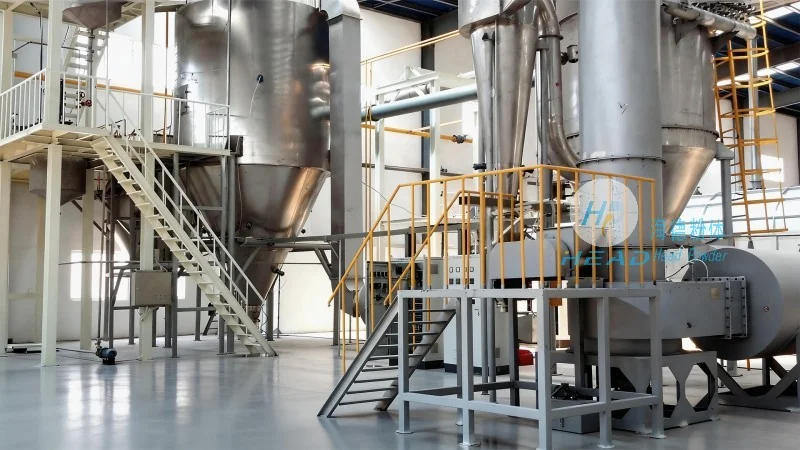
Advantages and Benefits of Pneumatic Conveying for Pigments
Compared to traditional mechanical conveying methods, such as screw conveyors or bucket elevators, pneumatic conveying offers several advantages for pigment powder handling. One of the primary benefits is the ability to handle fine, abrasive, or hygroscopic pigments without causing degradation or contamination. The enclosed system prevents dust emissions, reducing environmental impact and improving workplace safety. Pneumatic conveying also provides flexibility in system layout, as the conveying line can be routed around obstacles and integrated into existing production facilities. This adaptability is particularly valuable in retrofitting older plants or designing new production lines. Additionally, the systems are relatively low in maintenance, with fewer moving parts compared to mechanical conveyors, leading to lower operational costs over time. The energy efficiency of modern pneumatic conveying systems, especially with variable-speed blowers, further enhances their cost-effectiveness. HeadPowder’s expertise in customizing systems to specific pigment properties ensures that clients achieve optimal performance, maximizing the benefits of pneumatic conveying while minimizing potential drawbacks.