

Principle and Working Scene Characteristics of Urea Powder Pneumatic Conveying Equipment
Urea powder pneumatic conveying equipment is a specialized system designed for the efficient and safe transportation of urea powder, a critical fertilizer in modern agriculture. This equipment is engineered to handle the unique properties of urea powder, ensuring reliable performance in various industrial and agricultural applications. The system combines advanced pneumatic technology with robust engineering to provide a solution that meets the demands of high-volume material handling while maintaining operational safety and efficiency.
Company Overview and Background
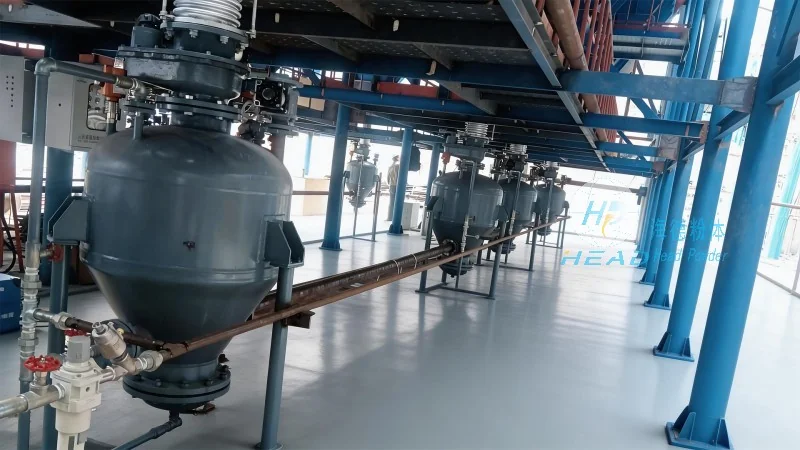
HeadPowder, a leading manufacturer based in Shandong, China, specializes in the design, development, and production of such advanced pneumatic conveying systems. With a strong commitment to innovation and quality, the company has established itself as a trusted partner for industries requiring reliable material handling solutions for bulk powders like urea. The company's facilities are equipped with state-of-the-art technology and adheres to strict quality control standards to ensure that each product meets or exceeds industry expectations.
Principle of Operation for Urea Powder Pneumatic Conveying Systems
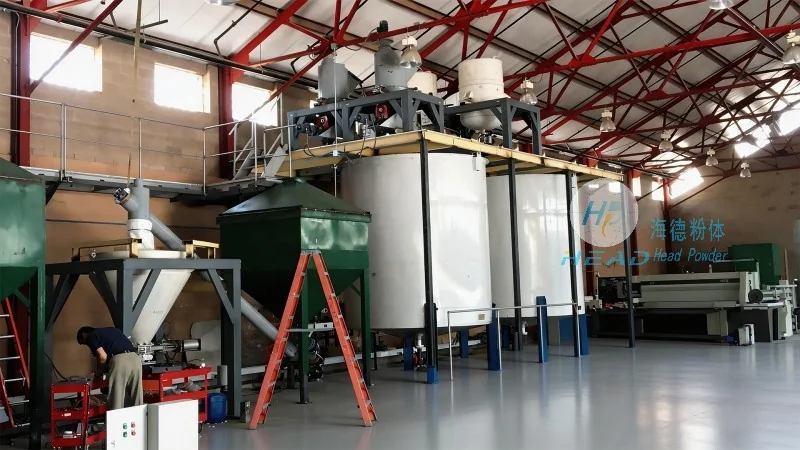
The core principle of urea powder pneumatic conveying equipment is the use of air as the conveying medium to transport the powder through a pipeline. This method, known as pneumatic conveying, involves creating a pressure differential between the source and destination of the material. The system typically operates under either positive pressure (where air is forced through the pipeline) or negative pressure (where air is drawn out of the pipeline). For urea powder, positive pressure systems are commonly preferred due to their ability to handle the material's flow characteristics and prevent clogging or blockages. The equipment includes key components such as a hopper for material storage, a feeder to control the flow rate, a compressor to generate the air pressure, and a pipeline network that transports the urea powder from the source to the destination. The design of these components is critical to ensure smooth and continuous operation, minimizing the risk of material degradation or equipment wear.
Working Scene Characteristics and Applications
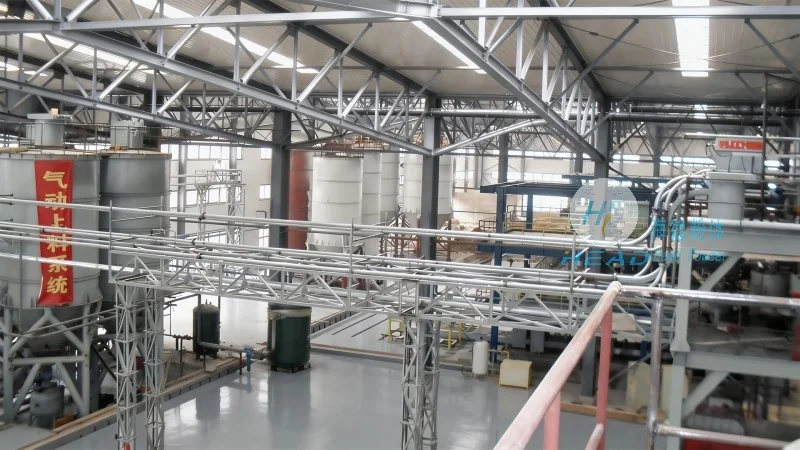
The working scene characteristics of urea powder pneumatic conveying equipment are tailored to meet the specific needs of different industrial and agricultural settings. These systems are widely used in fertilizer production facilities, where they facilitate the transport of urea from storage silos to processing units or packaging lines. The equipment is also employed in agricultural settings, such as farms and distribution centers, to move urea from bulk storage to application equipment like spreaders or sprayers. The versatility of the system allows it to adapt to various operational environments, including indoor warehouses, outdoor storage areas, and even remote agricultural sites. The key characteristics that define the working scene include high efficiency in material handling, reduced labor costs compared to manual handling, and improved safety by minimizing direct human contact with the urea powder. Additionally, the equipment is designed to handle varying flow rates and material conditions, making it suitable for both continuous and intermittent operations. The working scene also emphasizes the importance of system reliability and maintenance, as downtime can significantly impact production schedules and operational costs.
Performance Advantages and Technical Specifications
Urea powder pneumatic conveying equipment offers several performance advantages that make it an ideal choice for handling urea powder. One of the primary advantages is its ability to transport the material over long distances with minimal loss or degradation. The system's design minimizes material attrition and dust generation, which is crucial for maintaining the quality of the urea product. Another key advantage is the system's flexibility in terms of layout and integration with existing infrastructure. The equipment can be customized to fit the specific space constraints and operational requirements of a facility, allowing for seamless integration with other processing equipment. Technical specifications of the system typically include parameters such as conveying capacity, air pressure requirements, and power consumption. For example, a typical system may have a conveying capacity ranging from 10 to 50 tons per hour, depending on the specific design and application. The air pressure is usually maintained between 0.5 to 1.5 bar, ensuring sufficient force to move the urea powder through the pipeline without excessive energy consumption. Power consumption is optimized to balance performance with operational costs, making the system economically viable for long-term use.
Conclusion and Company Commitment
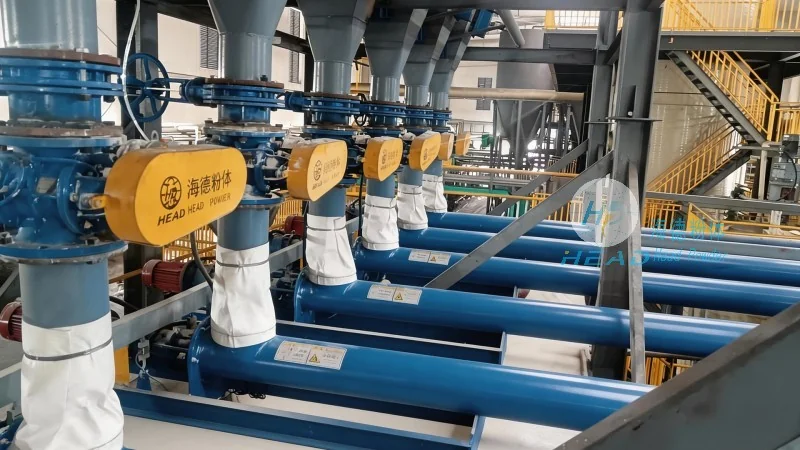
In conclusion, urea powder pneumatic conveying equipment is a vital component in the efficient handling and transportation of urea powder, a critical fertilizer in modern agriculture. The system's design, based on advanced pneumatic principles, ensures reliable and safe operation in various working scenes. HeadPowder, with its expertise and commitment to quality, provides comprehensive solutions that meet the diverse needs of industries and agricultural operations. By leveraging the latest technology and adhering to strict quality standards, the company ensures that its equipment delivers optimal performance, durability, and cost-effectiveness. The working scene characteristics and technical advantages of these systems make them indispensable for any facility requiring high-volume, reliable material handling for urea powder. As the demand for efficient fertilizer handling continues to grow, the role of such advanced pneumatic conveying equipment becomes increasingly important in supporting agricultural productivity and sustainability.