

Operation Process and Working Principle of PTA Pneumatic Conveying Systems
HeadPowder, a leading engineering company based in Shandong, China, specializes in the design, manufacturing, and installation of advanced PTA pneumatic conveying systems. These systems are critical in the chemical and petrochemical industries for efficiently transporting PTA (Paraxylene Terephthalic Acid) and other bulk materials. This article provides a detailed overview of the operation process and working principles of such systems, highlighting their efficiency, reliability, and the technical expertise behind their design.
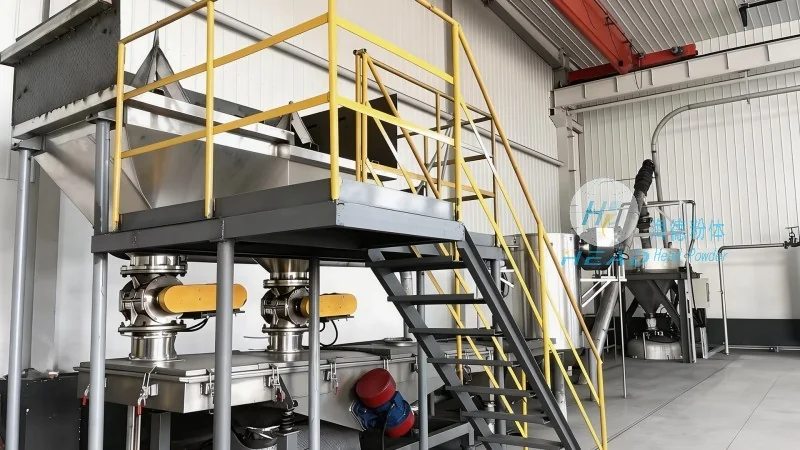
Introduction to PTA Pneumatic Conveying Systems
PTA pneumatic conveying systems are engineered to transport PTA and similar bulk solids in a controlled, dust-free environment. The system operates by using compressed air or other gases to move material from a source to a destination, eliminating the need for mechanical components like conveyor belts or buckets. This method not only enhances safety by reducing exposure to dust and potential contamination but also improves material handling efficiency, especially in high-volume production settings.
Key Components of a PTA Pneumatic Conveying System
At the core of any PTA pneumatic conveying system are several essential components that work in tandem to ensure smooth operation. These include the material feed hopper, which holds the PTA and regulates the flow rate; the air compressor or blower, which provides the necessary pressure to move the material; the conveying line, typically made of flexible or rigid tubing; and the receiver or discharge hopper, where the material is deposited. Additionally, the system may incorporate filters, cyclones, and pressure relief valves to maintain system integrity and protect equipment from damage.
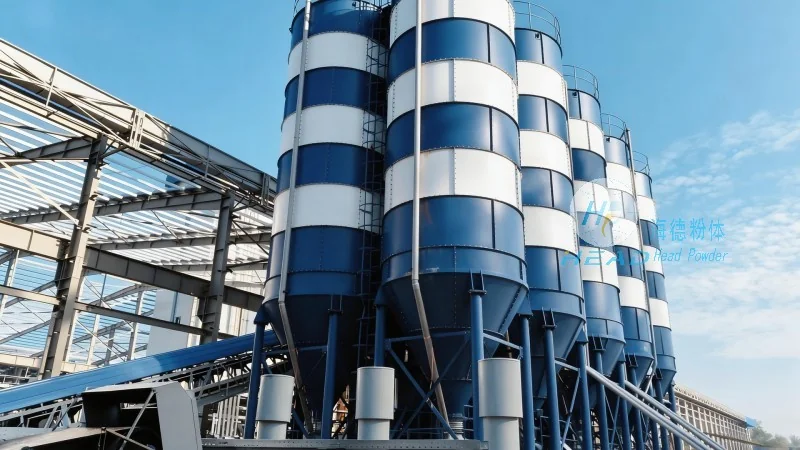
The Operation Process of PTA Pneumatic Conveying
The operation process of a PTA pneumatic conveying system begins with the material being loaded into the feed hopper. As the material accumulates, it is gradually released into the conveying line under the influence of the compressed air. The air, flowing at a controlled velocity, lifts and propels the PTA particles through the system. The conveying line may include bends, expansions, or reductions to navigate the path from the feed point to the discharge point. The velocity of the air is crucial; it must be high enough to overcome the gravitational force of the material and any friction within the system, yet low enough to prevent material degradation or system wear.
Working Principle: Air-Driven Material Transport
The working principle of PTA pneumatic conveying systems is based on the fundamental physics of fluid dynamics and particle motion. When compressed air is introduced into the conveying line, it creates a low-pressure zone that draws the PTA particles into the air stream. The air acts as a carrier, suspending the particles and transporting them through the system. The key to efficient operation is maintaining a consistent air velocity and pressure throughout the conveying line. This ensures that the PTA particles remain suspended and do not settle, which could lead to blockages or reduced system performance.
Advantages of PTA Pneumatic Conveying Systems
PTA pneumatic conveying systems offer several advantages over traditional mechanical conveying methods. Firstly, they are highly efficient in terms of energy consumption, as the air compressor only needs to operate at the required pressure and flow rate. Secondly, they provide a dust-free environment, which is critical for maintaining product quality and ensuring workplace safety. Thirdly, the system is flexible and can be easily reconfigured to accommodate changes in production volume or layout. Finally, the absence of moving parts reduces maintenance requirements and extends the lifespan of the equipment.
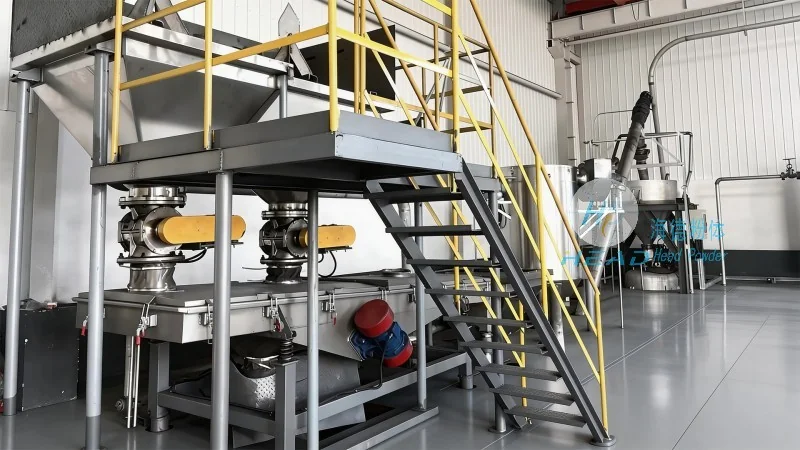
Application in the Chemical Industry
In the chemical industry, PTA pneumatic conveying systems are widely used in the production of polyester fibers and other polymer materials. The systems are designed to handle PTA in large quantities, often from storage silos to processing units or from production lines to packaging facilities. The reliability and efficiency of these systems ensure that production processes run smoothly, minimizing downtime and maximizing output. HeadPowder's expertise in designing and implementing such systems has made them a trusted partner for many chemical companies in China and beyond.
Conclusion
PTA pneumatic conveying systems are a vital component of modern chemical and petrochemical operations, offering a reliable and efficient method for transporting bulk materials. The operation process, driven by compressed air and controlled by advanced engineering, ensures that PTA is handled safely and effectively. With its headquarters in Shandong, China, HeadPowder Engineering Co., Ltd. continues to lead the industry in providing high-quality pneumatic conveying solutions that meet the evolving needs of the chemical sector. By understanding the operation process and working principles of these systems, companies can optimize their material handling processes and enhance overall operational efficiency.