

Operation Process and Working Principle of Coal Ash Pneumatic Conveying System
Coal ash, a byproduct of coal combustion in power plants and industrial facilities, requires efficient and reliable handling for disposal or recycling. Pneumatic conveying systems have emerged as a preferred solution for transporting coal ash due to their ability to handle bulk materials with minimal manual intervention. This article delves into the operation process and working principle of such systems, highlighting the key components, operational steps, and benefits of using headpowder's advanced technology.
Key Components of a Coal Ash Pneumatic Conveying System
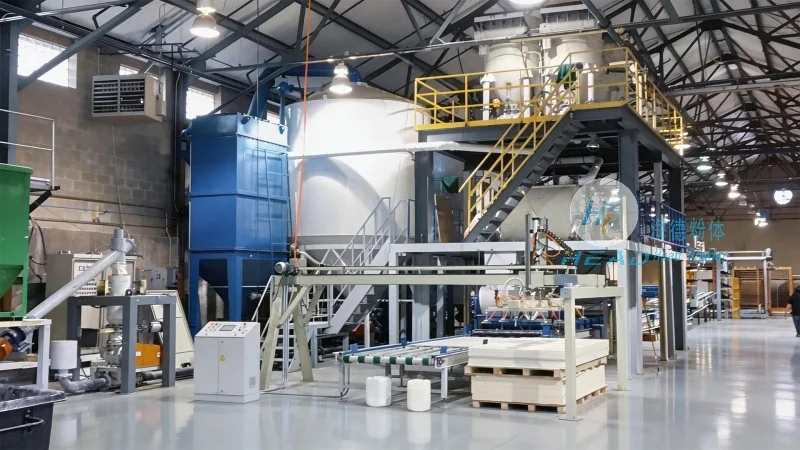
The effectiveness of a coal ash pneumatic conveying system relies on its integrated components, each playing a crucial role in the material transport process. The primary components include a hopper for material storage, a rotary valve or feeder to control the flow of ash, a conveying pipeline, a blower or air compressor to generate the necessary air pressure, and a receiver or discharge unit for material collection. Additionally, the system may incorporate filters, silencers, and pressure relief valves to ensure safe and efficient operation. Headpowder's systems are designed with high-quality materials and precision engineering to withstand the abrasive nature of coal ash and maintain long-term performance.
The Working Principle of Pneumatic Conveying
Pneumatic conveying operates on the principle of transporting bulk materials through a pipeline using a stream of air. In the case of coal ash, the system typically uses a positive pressure system, where the blower forces air and ash particles into the pipeline. The ash is suspended in the air stream and carried to the destination. The process involves several stages: material feeding, air compression, material suspension, and discharge. The rotary valve or feeder ensures a consistent flow of ash into the system, while the blower maintains the required air pressure to keep the particles in suspension. The conveying pipeline is designed with smooth, corrosion-resistant surfaces to minimize friction and material buildup. At the receiving end, the air and ash are separated, with the ash collected in the receiver and the air either released or recirculated, depending on the system configuration.
Operation Process of the Coal Ash Pneumatic Conveying System
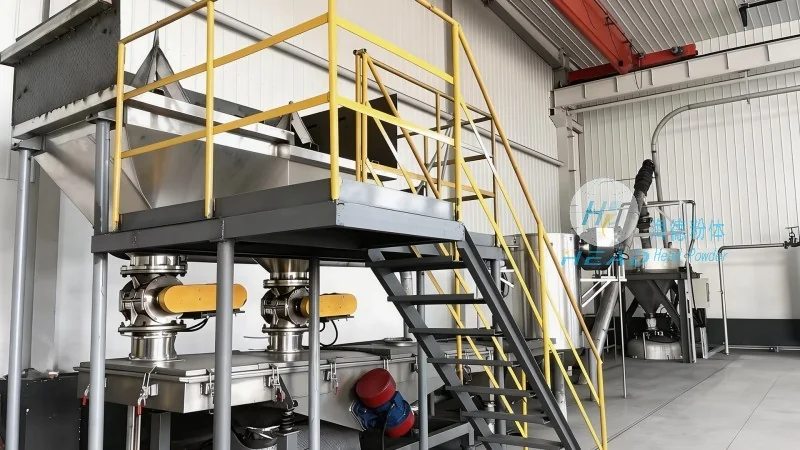
The operation process of a coal ash pneumatic conveying system is a systematic sequence of steps that ensures the smooth transport of material from the source to the destination. The process begins with the storage of coal ash in the hopper. The rotary valve then regulates the flow of ash into the conveying pipeline, controlled by the system's control panel. The blower starts and generates the necessary air pressure, creating a high-velocity air stream that lifts the ash particles. As the ash travels through the pipeline, it is kept in suspension by the continuous air flow. Upon reaching the discharge point, the air and ash are separated. The ash is collected in the receiver, which may be equipped with a discharge valve for further processing or disposal. The air, now filtered to remove any residual ash particles, is either vented to the atmosphere or recirculated back to the blower for energy efficiency. Headpowder's systems are equipped with advanced control systems that monitor pressure, flow, and material levels, ensuring optimal performance and preventing system failures.
Benefits and Applications of Coal Ash Pneumatic Conveying
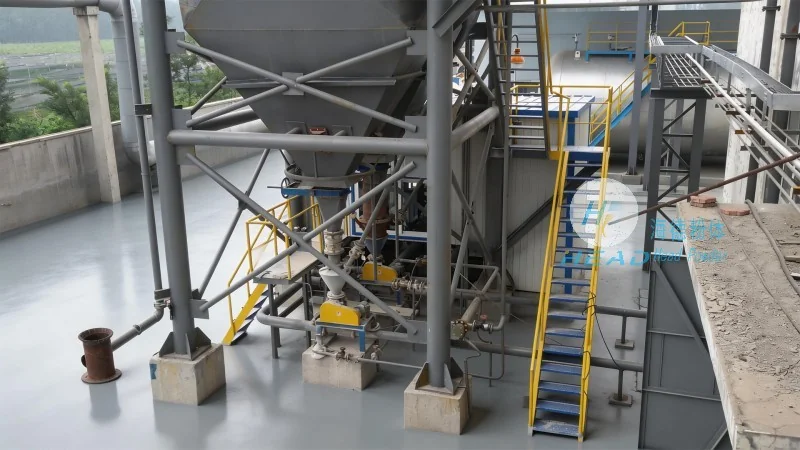
Coal ash pneumatic conveying systems offer numerous benefits over traditional methods such as belt conveyors or trucks. These systems provide a dust-free and enclosed transport process, reducing environmental impact and improving workplace safety. The enclosed pipeline design prevents ash from being released into the environment, while the air filtration system ensures that any emissions are minimized. Additionally, pneumatic conveying systems are highly flexible, allowing for changes in the transport route or destination without major modifications. This flexibility is particularly advantageous in power plants where coal ash needs to be transported to different disposal or recycling facilities. Headpowder's systems are widely used in coal-fired power plants, cement plants, and other industrial facilities for the efficient handling of coal ash, contributing to sustainable waste management practices.
Conclusion and Company Information
Coal ash pneumatic conveying systems are a critical component in the modern management of coal ash, offering efficient, safe, and environmentally friendly solutions for bulk material transport. The operation process, which involves precise control of material flow and air pressure, ensures that coal ash is transported reliably and with minimal disruption. Headpowder, as a leading provider of engineering solutions, specializes in designing and manufacturing high-quality pneumatic conveying systems tailored to the specific needs of coal ash handling. With its headquarters in Shandong, China, HeadPowder Engineering Co., Ltd. combines advanced technology with professional expertise to deliver systems that meet the highest standards of performance and reliability. For organizations seeking to optimize their coal ash handling processes, Headpowder's solutions provide a robust and efficient approach to sustainable material transport.