

Operation Process and Working Principle of Prilled Caustic Soda Pneumatic Conveying System
Prilled caustic soda, also known as solid caustic soda, is a widely used industrial chemical in various sectors such as chemical manufacturing, textile processing, and water treatment. The efficient and safe transportation of this material from storage to processing units is crucial for maintaining production efficiency and ensuring operational safety. The pneumatic conveying system designed for prilled caustic soda offers a reliable solution that integrates advanced technology with robust engineering to handle the material's characteristics effectively. This system is provided by Shandong HeadPowder Engineering Co., Ltd., a leading manufacturer specializing in industrial material handling solutions.
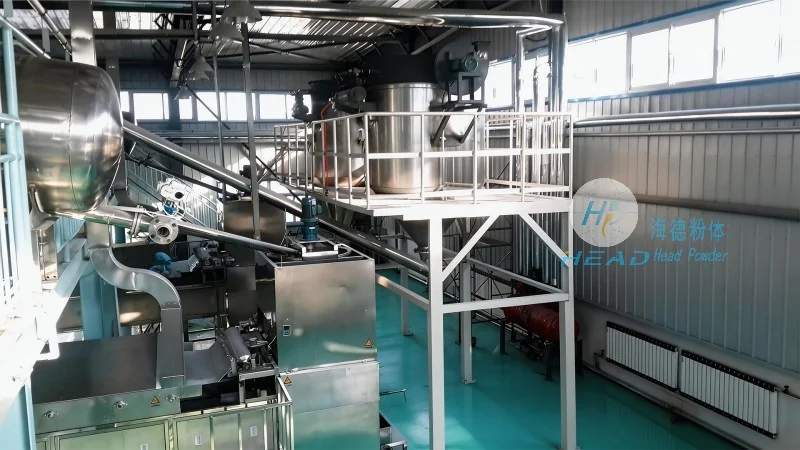
Overview of the Pneumatic Conveying System for Prilled Caustic Soda
The pneumatic conveying system for prilled caustic soda is a specialized equipment setup that utilizes air or gas as the conveying medium to transport the solid material. This system is engineered to handle the unique properties of prilled caustic soda, including its granular structure, moisture content, and potential reactivity with air. The system typically consists of several key components, including a hopper, a rotary airlock valve, a conveying line, and a receiver, all working in coordination to ensure smooth material transfer.
Key Components and Their Functions
Each component of the pneumatic conveying system plays a vital role in the overall operation. The hopper serves as the storage and feeding unit, where the prilled caustic soda is stored before being fed into the system. The rotary airlock valve acts as a controlled feed mechanism, regulating the flow of material into the conveying line to prevent backflow and maintain consistent pressure. The conveying line, often made of durable materials like stainless steel or special plastics, transports the material through the system. The receiver, at the end of the line, collects the material and can be integrated with downstream processing equipment.
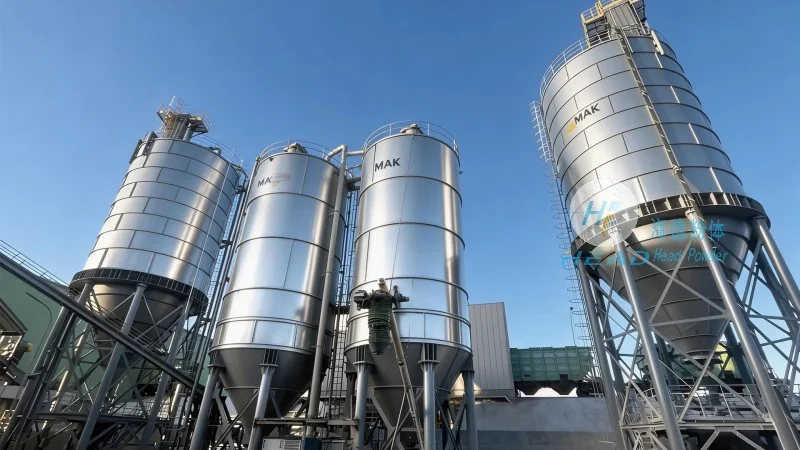
The Working Principle of the Pneumatic Conveying Process
The operation of the pneumatic conveying system for prilled caustic soda is based on the principle of creating a pressure differential between the hopper and the receiver. When the system is activated, a fan or blower generates airflow that draws the material from the hopper into the conveying line. The air and material mixture travels through the line at a controlled velocity, ensuring that the material is carried without causing excessive wear or degradation. The system can operate in either positive or negative pressure modes, depending on the specific requirements and layout of the plant.
Operation Process: Step-by-Step Guide
The operation process of the pneumatic conveying system involves several sequential steps that ensure efficient and safe material transfer. First, the hopper is filled with prilled caustic soda, and the rotary airlock valve is set to the appropriate feed rate. The fan is then started, creating the necessary airflow to initiate the conveying process. As the material is drawn into the line, it is carried along with the air until it reaches the receiver. The receiver may include a filter or separator to remove any excess air before the material is discharged into the next processing stage. The system is designed to operate continuously, with adjustable parameters to accommodate varying production demands.
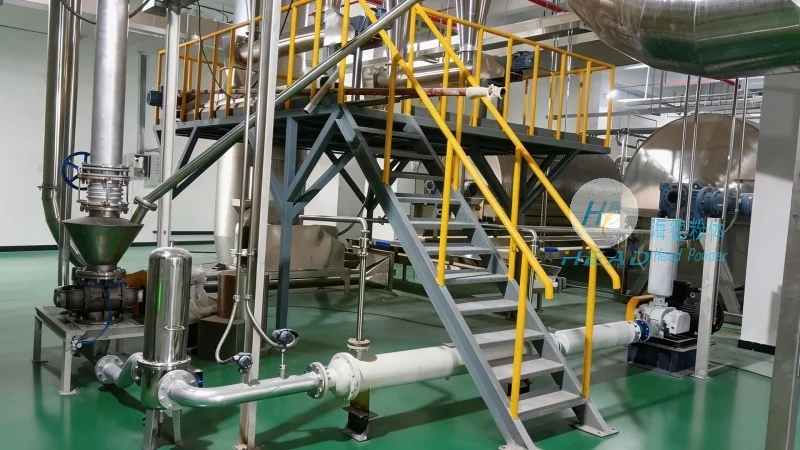
Advantages of Using a Pneumatic Conveying System for Prilled Caustic Soda
Implementing a pneumatic conveying system for prilled caustic soda offers several advantages over traditional methods like belt conveyors or manual handling. The system provides a dust-free and enclosed environment, reducing the risk of exposure to the material and minimizing environmental contamination. It also allows for precise control over the flow rate and pressure, ensuring consistent material delivery to downstream equipment. Additionally, the system is compact and can be integrated into existing plant layouts, saving space and reducing installation costs. The durability of the components, particularly those made of stainless steel, ensures long-term reliability and minimal maintenance requirements.
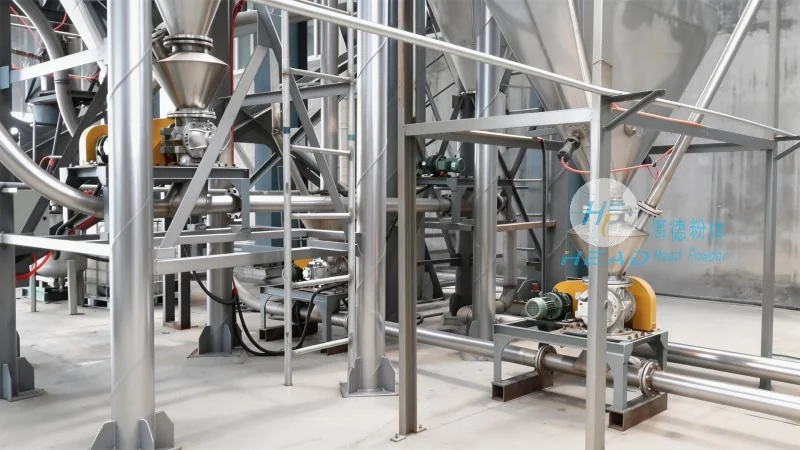
Application Scenarios and Industrial Integration
The pneumatic conveying system for prilled caustic soda is widely used in various industrial applications where the material needs to be transported over short to medium distances. It is commonly integrated into caustic soda production plants, where the material is moved from storage silos to reaction vessels or packaging units. In the textile industry, the system can transport caustic soda to dyeing and finishing equipment, ensuring uniform material distribution. The system's adaptability allows it to be customized for different plant sizes and production capacities, making it suitable for both small-scale and large-scale operations.
Maintenance and Safety Considerations
Proper maintenance and safety measures are essential to ensure the reliable operation of the pneumatic conveying system. Regular inspection of components such as the fan, airlock valve, and conveying line is necessary to detect any signs of wear or damage. The system should be equipped with safety features like pressure relief valves and emergency shut-off mechanisms to prevent accidents. Additionally, the material handling area should be equipped with appropriate personal protective equipment (PPE) and ventilation systems to minimize exposure risks. By adhering to these maintenance and safety protocols, the system can operate efficiently and safely for extended periods. The system is manufactured and supported by Shandong HeadPowder Engineering Co., Ltd., located in Shandong, China, ensuring local technical support and service for clients.