

Operation Process and Working Principle of Clay Pneumatic Conveying Systems
Clay pneumatic conveying systems are essential for efficient material handling in various industrial applications. These systems utilize air pressure to transport clay and other bulk materials from one location to another, offering a dust-free and flexible solution compared to traditional methods like belt conveyors or trucks. Understanding the operation process and working principles of such systems is crucial for optimizing performance and ensuring reliable material transport.
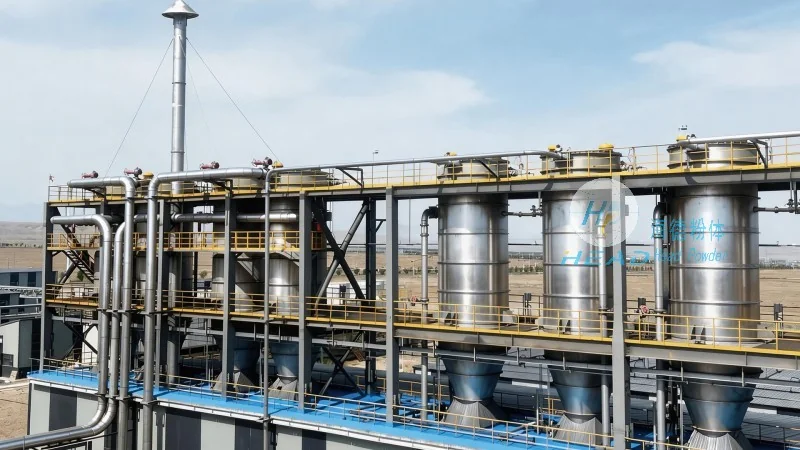
Introduction to Clay Pneumatic Conveying Systems
Clay pneumatic conveying systems are engineered to handle the unique properties of clay, which often includes high moisture content, abrasive characteristics, and the tendency to clog or settle in traditional conveying equipment. The system from Shandong HeadPowder Engineering Co., Ltd. is designed to address these challenges, providing a robust and efficient solution for industries such as ceramics, construction, and mining.
Key Components of the System
The clay pneumatic conveying system consists of several critical components that work in tandem to ensure smooth operation. These include the material hopper, which holds the clay; the air compressor or blower, which generates the necessary air pressure; the conveying line, which transports the material; and the receiver or discharge hopper, where the material is deposited. Each component plays a vital role in maintaining the system's efficiency and preventing material degradation.
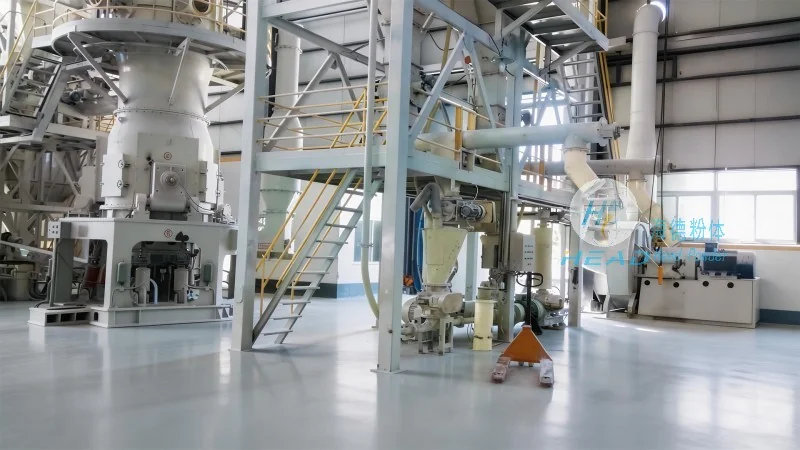
Working Principle of the System
The operation of the clay pneumatic conveying system begins with the material being fed into the hopper. The air compressor then draws air from the hopper and mixes it with the clay, creating a slurry or suspension. This mixture is then forced through the conveying line under high pressure. As the mixture travels through the line, the air and clay particles are separated at the receiver, where the clay is deposited and the air is either recirculated or vented. The system's design ensures that the clay particles are transported without clogging or degradation, thanks to the controlled air flow and appropriate line diameter.
Operation Process: Step-by-Step Guide
The operation process of the clay pneumatic conveying system involves several key steps that ensure consistent and efficient material transport. First, the clay is loaded into the material hopper, and the system is started by activating the air compressor. The air pressure is adjusted to the optimal level based on the material's properties and the distance to be conveyed. Next, the clay is drawn into the conveying line as the air pressure pushes it forward. The mixture travels through the line, maintaining a consistent flow rate. At the receiving end, the clay is discharged into the receiver hopper, while the air is separated and either returned to the system or released. The process is continuous, allowing for uninterrupted material handling, and the system can be adjusted to handle varying clay compositions and quantities.
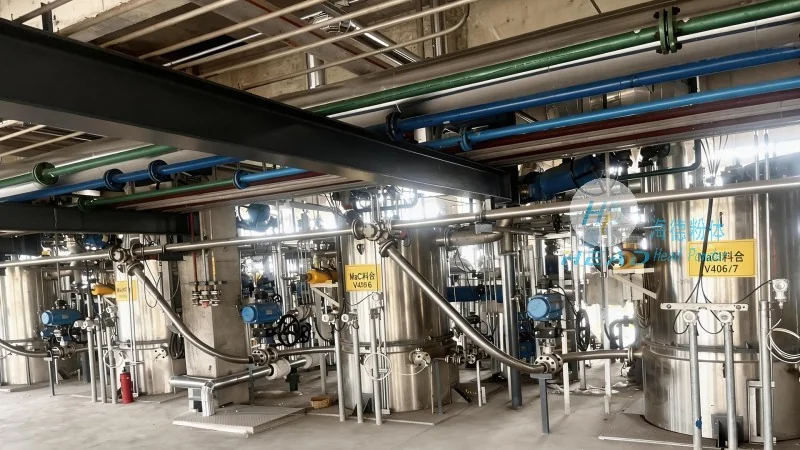
Advantages of Using Clay Pneumatic Conveying Systems
Clay pneumatic conveying systems offer several advantages over traditional conveying methods. One of the primary benefits is the dust-free operation, which improves workplace safety and reduces environmental impact. Additionally, the system provides flexibility in terms of layout, as it can be installed in various configurations without the need for complex infrastructure. The system also minimizes material degradation, as the clay is transported in a controlled environment, preventing breakage or loss of quality. Furthermore, the system is energy-efficient, as it uses less power compared to other methods like truck transport or high-capacity conveyors.
Applications in Industrial Settings
Clay pneumatic conveying systems are widely used in various industrial applications where efficient and safe material handling is critical. In the ceramics industry, these systems are used to transport clay from storage to production lines, ensuring a consistent supply of raw material. In construction, they are employed to move clay for brick manufacturing or soil stabilization projects. The mining industry also utilizes these systems to transport clay from mines to processing facilities, improving operational efficiency and reducing labor costs. The versatility of the system makes it suitable for a wide range of applications, from small-scale operations to large industrial plants.
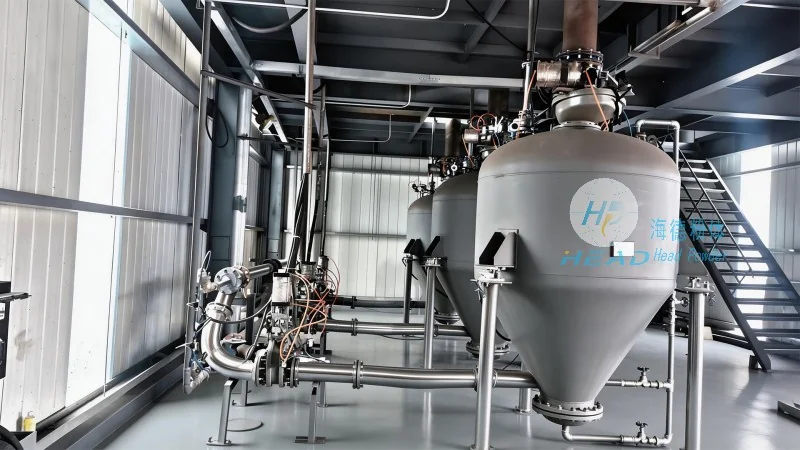
Maintenance and Troubleshooting
To ensure the long-term performance and reliability of the clay pneumatic conveying system, regular maintenance is essential. This includes checking the air compressor for proper operation, inspecting the conveying line for blockages or wear, and cleaning the material hopper and receiver to prevent clogging. Common issues that may arise include air leaks, which can reduce system efficiency, or material buildup in the line, which can cause pressure drops. Troubleshooting these issues involves checking the air pressure, inspecting the line for obstructions, and cleaning the system components as needed. By performing regular maintenance and addressing issues promptly, the system can operate at optimal levels, minimizing downtime and maximizing productivity.
Conclusion
Clay pneumatic conveying systems from Shandong HeadPowder Engineering Co., Ltd. provide an efficient and reliable solution for handling clay and other bulk materials. The system's design, based on the principles of pneumatic transport, ensures smooth operation and minimal material degradation. With its dust-free operation and flexible configuration, the system is ideal for various industrial applications. By understanding the operation process and working principles, users can optimize the system's performance and ensure consistent material transport. The system's advantages, including energy efficiency and reduced environmental impact, make it a preferred choice for industries seeking sustainable and effective material handling solutions.