

Operation Process and Working Principle of Tea Leaf Pneumatic Conveying Systems
Tea leaf pneumatic conveying systems are advanced industrial equipment designed to efficiently transport tea leaves from one location to another within a processing facility. These systems utilize air as the primary medium to move loose tea leaves, offering a hygienic, dust-free, and efficient method compared to traditional mechanical conveyors. The operation of such systems involves several key stages, each contributing to the overall functionality and reliability of the equipment.
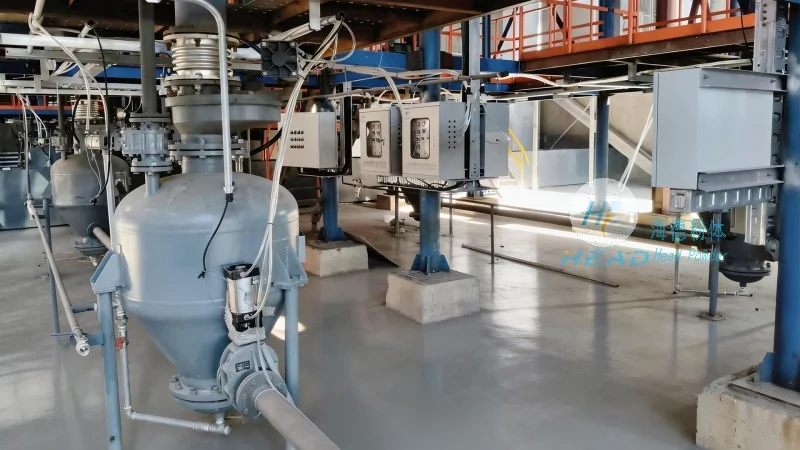
Key Components of a Tea Leaf Pneumatic Conveying System
A typical tea leaf pneumatic conveying system consists of several essential components that work in tandem to achieve effective material transport. These components include a hopper or feeder for loading tea leaves, a blower or air compressor to generate the necessary air pressure, a pipeline network to guide the flow of air and tea leaves, and a receiver or discharge hopper to collect the conveyed material. Additionally, the system may incorporate features like cyclone separators, filters, and pressure relief valves to ensure optimal performance and safety.
Working Principle of the Pneumatic Conveying Process
The core working principle of a tea leaf pneumatic conveying system is based on the displacement of air within a closed pipeline. When the blower starts operating, it creates a low-pressure zone in the pipeline, which draws tea leaves from the feeder into the air stream. The tea leaves are then carried through the pipeline by the moving air, with the velocity of the air being sufficient to overcome the gravitational forces and friction within the system. As the tea leaves travel through the pipeline, they may encounter various components such as bends, elbows, or expansion sections, which are designed to maintain the flow and prevent blockages.
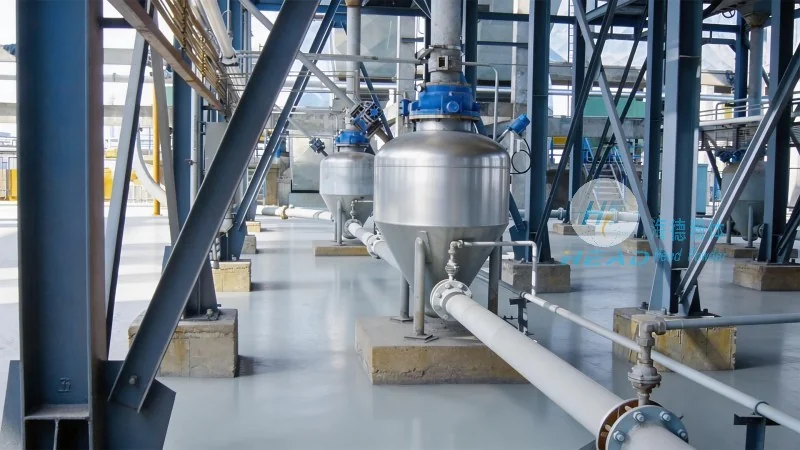
Operation Process: From Loading to Discharge
The operation process of a tea leaf pneumatic conveying system begins with the loading of fresh or processed tea leaves into the hopper or feeder. The feeder then regulates the flow of tea leaves into the pipeline, ensuring a consistent feed rate. Once the blower is activated, the air pressure builds up, and the tea leaves are drawn into the air stream. The system then transports the tea leaves through the pipeline network to the discharge point, where they are collected in the receiver hopper. The entire process is typically automated, with sensors and controls monitoring the system's performance to maintain optimal operation and prevent issues like blockages or pressure surges.
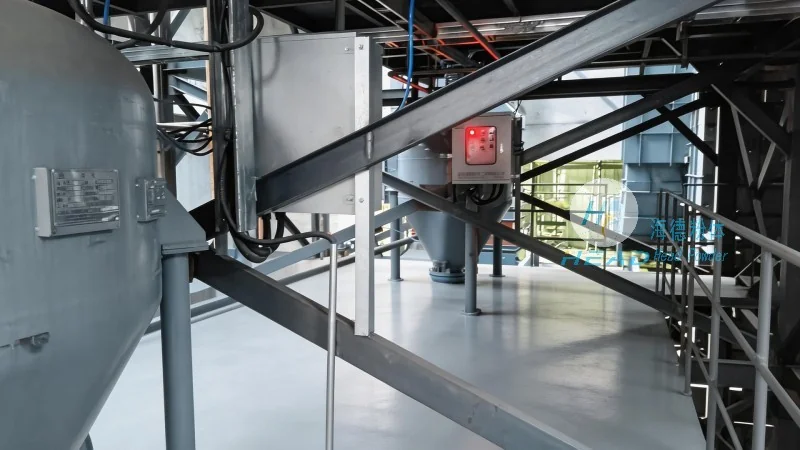
Advantages of Using Pneumatic Conveying for Tea Leaf Transport
Tea leaf pneumatic conveying systems offer several advantages over traditional mechanical conveyors. These include improved hygiene and cleanliness, as the system is enclosed and prevents dust and contamination. Additionally, the systems are highly efficient, with minimal material loss and reduced labor costs due to automated operation. The enclosed design also helps in maintaining consistent temperature and humidity levels, which is crucial for preserving the quality of tea leaves. Furthermore, the flexibility of pneumatic conveying allows for easy integration with other processing equipment, such as sorting machines or packaging lines.
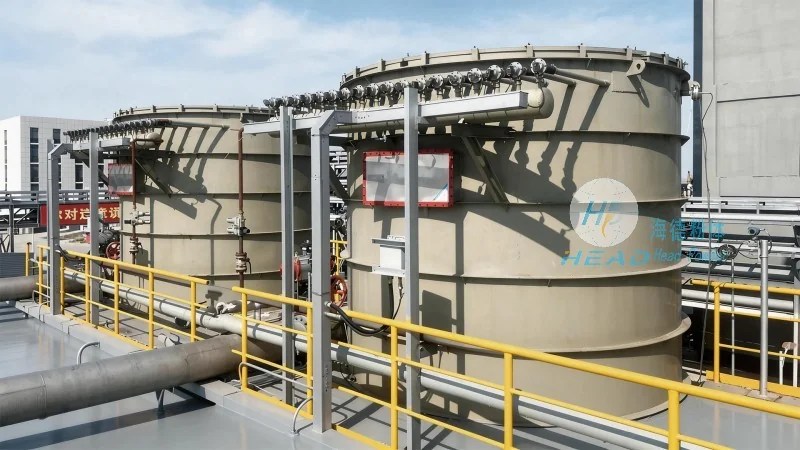
Maintenance and Safety Considerations
To ensure the reliable and long-term operation of a tea leaf pneumatic conveying system, regular maintenance is essential. This includes checking the condition of the blower and air compressor, inspecting the pipeline for any signs of wear or damage, and cleaning the cyclone separators and filters regularly. Safety considerations are also critical, as the system operates under pressure and involves moving parts. Proper training for operators and the implementation of safety protocols, such as pressure relief valves and emergency shut-off mechanisms, are necessary to prevent accidents and ensure the safety of personnel.
About Shandong HeadPowder Engineering Co., Ltd.
Shandong HeadPowder Engineering Co., Ltd., commonly known as headpowder, is a leading manufacturer and supplier of pneumatic conveying systems and related industrial equipment. With a focus on quality and innovation, the company has established itself as a trusted partner in the tea processing industry, providing customized solutions tailored to the specific needs of tea manufacturers. Headpowder's products are designed to meet the highest standards of performance, reliability, and safety, ensuring that tea leaves are transported efficiently and effectively. The company's headquarters is located in Shandong, China, where it continues to develop and improve its products to meet the evolving demands of the industry.