

Operation Process and Working Principle of Seaweed Powder Pneumatic Conveying System
HeadPowder, a leading enterprise in the field of material handling technology, specializes in the design, manufacturing, and installation of advanced pneumatic conveying systems. This article provides a detailed overview of the operation process and working principle of a seaweed powder pneumatic conveying system, highlighting the key components, operational steps, and technical aspects that ensure efficient and reliable material transport.
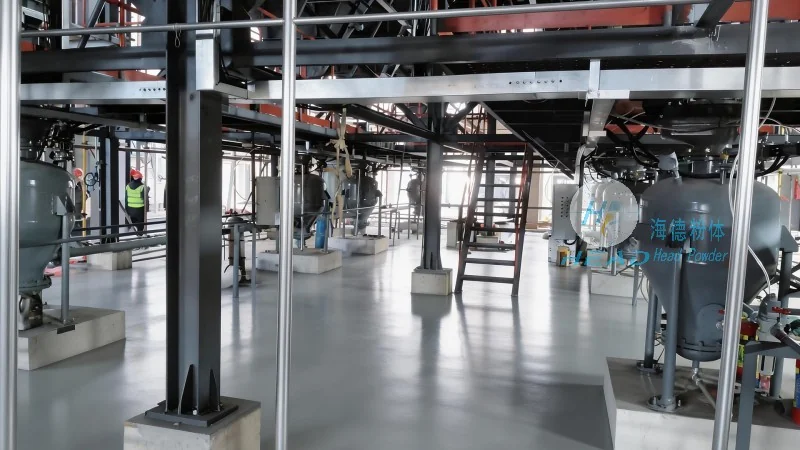
Company Profile and Background
Shandong HeadPowder Engineering Co., Ltd., commonly known as HeadPowder, is a professional manufacturer and supplier of pneumatic conveying equipment. With its headquarters located in Shandong, China, the company has established itself as a trusted partner for industries requiring efficient material handling solutions. HeadPowder's expertise lies in developing customized pneumatic conveying systems tailored to the specific needs of clients, ensuring optimal performance and durability in various industrial applications.
Introduction to Pneumatic Conveying Systems
Pneumatic conveying systems are mechanical systems that use compressed air or other gases to transport bulk materials from one location to another. These systems are widely used in industries such as food processing, pharmaceuticals, chemicals, and agriculture due to their ability to handle a wide range of materials, including powders, granules, and fine particles. The seaweed powder pneumatic conveying system, in particular, is designed to handle the unique characteristics of seaweed powder, which can be sensitive to moisture and temperature variations, requiring specialized equipment to maintain product integrity.
Key Components of the Seaweed Powder Pneumatic Conveying System
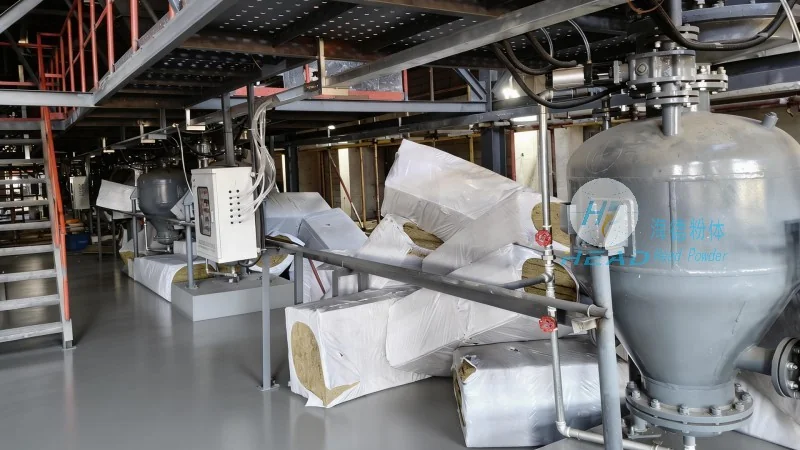
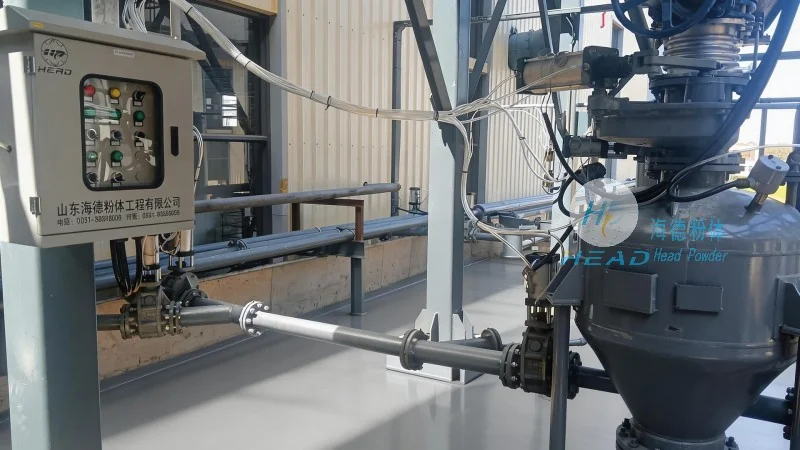
The seaweed powder pneumatic conveying system consists of several critical components that work in tandem to ensure smooth material transport. These components include the material hopper, which serves as the storage and feeding unit; the air compressor, which generates the necessary pressure for conveying; the conveying line, which transports the material through the system; the separation and collection equipment, which ensures the material is properly discharged and collected; and the control system, which monitors and regulates the entire operation.
Operation Process of the Seaweed Powder Pneumatic Conveying System
The operation process of the seaweed powder pneumatic conveying system involves several sequential steps that ensure efficient material handling. First, the seaweed powder is loaded into the material hopper. The hopper is equipped with a feeding mechanism, such as a rotary valve or a screw feeder, which controls the flow rate of the material into the conveying line. Next, the air compressor is activated, generating compressed air that is introduced into the conveying line. The compressed air creates a pressure differential, drawing the seaweed powder into the line and transporting it to the destination point. The conveying line is typically made of stainless steel or other corrosion-resistant materials to prevent contamination and ensure the quality of the seaweed powder. At the receiving end, the material is separated from the air using a cyclone separator or a filter, and then collected in a storage bin or a processing unit.
Working Principle of the Seaweed Powder Pneumatic Conveying System
The working principle of the seaweed powder pneumatic conveying system is based on the principles of fluid dynamics and particle transport. The system operates by creating a high-pressure air stream within the conveying line, which entrains the seaweed powder particles and transports them through the system. The air flow rate and pressure are carefully controlled to ensure that the material is conveyed at an optimal velocity, minimizing particle degradation and maintaining product quality. The separation process at the receiving end is crucial, as it separates the material from the air, allowing the air to be recycled back to the compressor or released to the atmosphere. This recycling of air helps to reduce energy consumption and operating costs, making the system more efficient and environmentally friendly.
Advantages of the Seaweed Powder Pneumatic Conveying System
The seaweed powder pneumatic conveying system offers several advantages over traditional material handling methods. One of the key advantages is its ability to handle fine and delicate materials like seaweed powder without causing damage or contamination. The system is also highly flexible, allowing for easy integration with existing production lines and customization to meet specific operational requirements. Additionally, the system is compact and requires minimal space, making it suitable for applications in limited areas. The use of stainless steel components ensures durability and resistance to corrosion, extending the system's lifespan and reducing maintenance costs. The automated control system provides real-time monitoring and adjustment, ensuring consistent performance and minimizing downtime.
Applications and Industries
The seaweed powder pneumatic conveying system is widely used in various industries that process seaweed powder, including food and beverage, pharmaceuticals, and cosmetics. In the food industry, the system is used to transport seaweed powder for the production of health supplements, functional foods, and beverages. In the pharmaceutical industry, the system is used to convey seaweed powder for the manufacturing of dietary supplements and medicinal products. The system's ability to maintain product integrity and prevent contamination makes it ideal for applications where product quality is critical. Additionally, the system is used in the cosmetics industry for the production of seaweed-based skincare products.
Maintenance and Troubleshooting
Proper maintenance is essential to ensure the long-term performance and reliability of the seaweed powder pneumatic conveying system. Regular maintenance tasks include cleaning the material hopper and conveying line to prevent buildup of material and debris, checking the air compressor and filters for proper operation, and inspecting the control system for any issues. If problems occur, such as reduced conveying efficiency or increased air consumption, troubleshooting steps should be taken to identify and resolve the issue. Common issues may include clogged filters, worn-out feeding mechanisms, or leaks in the conveying line. By addressing these issues promptly, the system can be kept in optimal condition, ensuring continuous and efficient operation.
Conclusion
HeadPowder's seaweed powder pneumatic conveying system is a highly efficient and reliable solution for the transport of seaweed powder in various industrial applications. The system's design and operation are based on advanced technology and careful engineering, ensuring optimal performance and product quality. With its headquarters in Shandong, China, HeadPowder continues to provide innovative and customized material handling solutions to meet the evolving needs of its clients. The company's commitment to quality, reliability, and customer satisfaction has made it a leading provider of pneumatic conveying systems in the industry.