

Operation Process and Working Principle of Copper Oxide Pneumatic Conveying System
At Shandong HeadPowder Engineering Co., Ltd., we specialize in the design, manufacturing, and implementation of advanced pneumatic conveying systems tailored for the efficient handling of copper oxide materials. Our systems are engineered to meet the specific demands of industrial applications, ensuring reliable and cost-effective material transport. This article provides a detailed overview of the operation process and working principles of our copper oxide pneumatic conveying systems, highlighting key components, operational steps, and the underlying technology that enables seamless material movement.
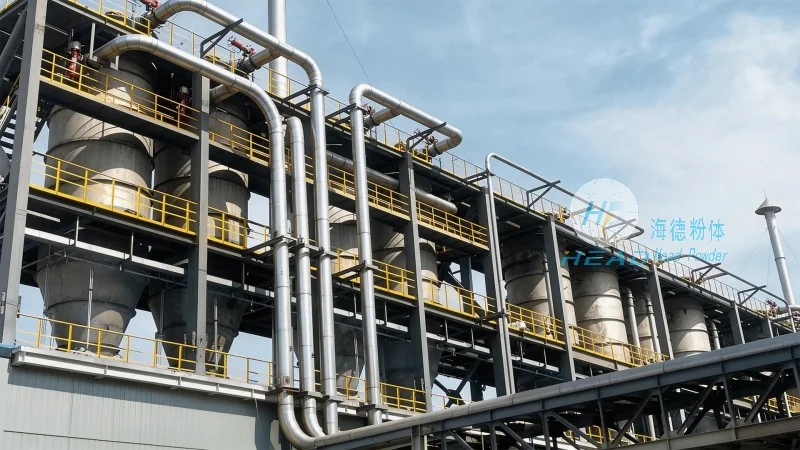
Key Components of the Pneumatic Conveying System
The copper oxide pneumatic conveying system from HeadPowder incorporates several critical components that work in concert to achieve efficient material transport. These components include a material hopper for storage and feeding, a rotary airlock valve to control the flow of copper oxide into the system, a positive displacement blower or air compressor to generate the necessary air pressure, a pipeline network for transporting the material-air mixture, and a receiver or collection bin to deposit the conveyed copper oxide. Each component is meticulously designed to ensure optimal performance and durability, even under high-volume or abrasive conditions typical of copper oxide handling.
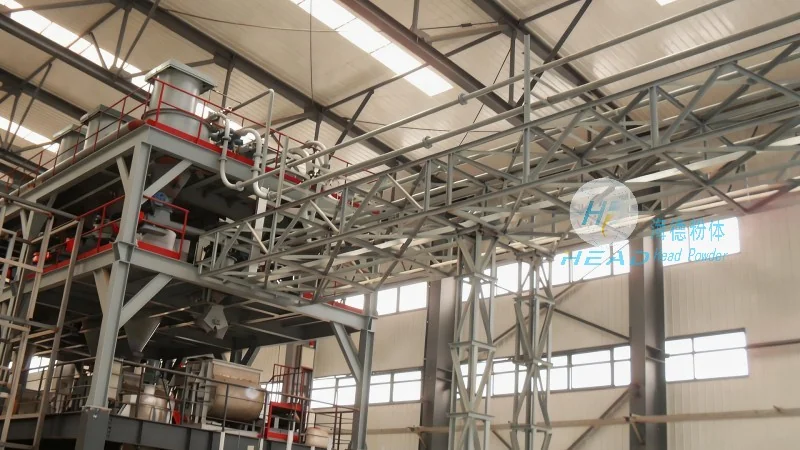
Operation Process: Step-by-Step Overview
The operation of the copper oxide pneumatic conveying system follows a systematic sequence of steps to ensure consistent and reliable material transport. The process begins with the loading of copper oxide into the material hopper. The rotary airlock valve then regulates the flow of material into the pipeline, preventing backflow and maintaining a steady feed rate. Simultaneously, the positive displacement blower generates high-pressure air, which is introduced into the pipeline at a controlled pressure and flow rate. The air and copper oxide particles are mixed in the pipeline, creating a dense phase or dilute phase conveying stream depending on the system design. The mixture travels through the pipeline network to the receiver, where the air is separated from the copper oxide and discharged through a filter or vent system. The copper oxide is then collected in the receiver bin, ready for further processing or use.
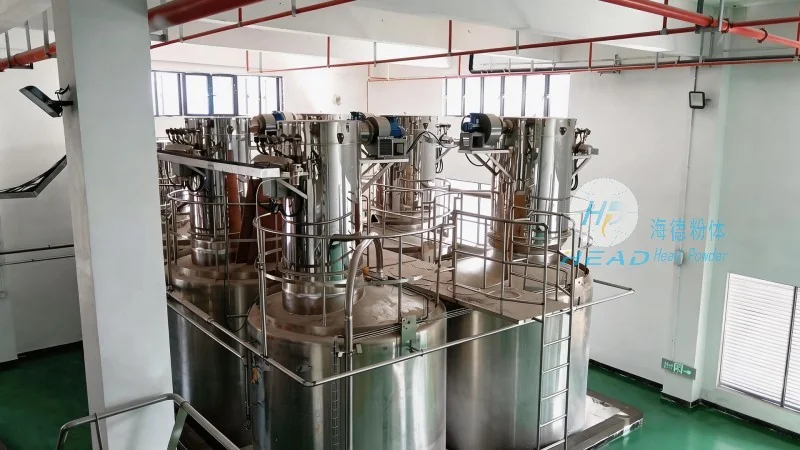
Working Principle: The Physics Behind Efficient Conveying
The working principle of the copper oxide pneumatic conveying system is based on the fundamental physics of fluid dynamics and particle transport. The system utilizes compressed air to create a flow that propels the copper oxide particles through the pipeline. In dense phase conveying, the air velocity is maintained at a level that keeps the particles in contact with the pipeline walls, minimizing particle degradation and ensuring gentle handling. Dilute phase conveying, on the other hand, uses higher air velocities to suspend the particles in the air stream, allowing for faster transport over longer distances. The choice between dense and dilute phase depends on factors such as material characteristics, pipeline length, and desired transport efficiency. The system’s design optimizes these parameters to achieve the most efficient and cost-effective conveying solution for copper oxide materials.
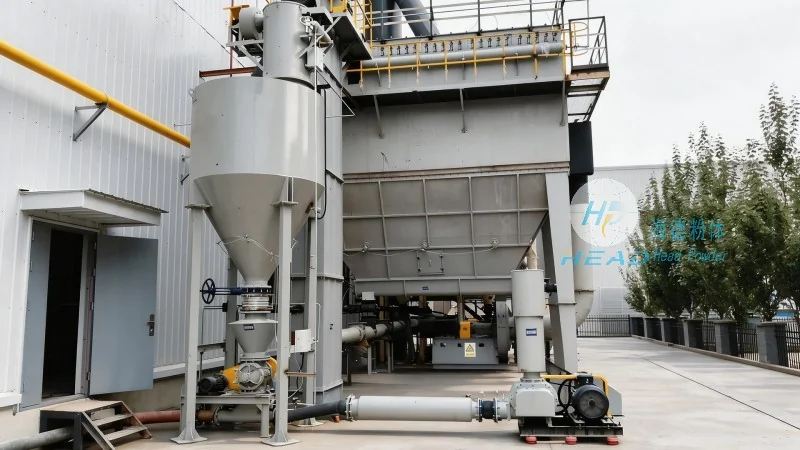
Advantages of HeadPowder’s Copper Oxide Pneumatic Conveying Systems
Our copper oxide pneumatic conveying systems offer several advantages over traditional material handling methods. These include reduced labor costs due to automated feeding and transport, minimized material loss and contamination, and improved safety by eliminating manual handling of copper oxide. The systems are also highly flexible, allowing for easy integration with existing production lines and adaptation to varying material volumes. Additionally, the compact design of our systems maximizes space efficiency in industrial facilities, making them suitable for both new installations and retrofit applications. The durability of the components, particularly the rotary airlock valves and pipeline materials, ensures long-term reliability and low maintenance costs, contributing to the overall economic benefits of the system.