

Operation Process and Working Principle of Silicon Carbide Pneumatic Conveying Systems
Shandong HeadPowder Engineering Co., Ltd., a leading manufacturer based in China, specializes in the design, development, and implementation of advanced pneumatic conveying systems for various industrial applications. The company's expertise lies in optimizing material handling processes, particularly for high-value materials like silicon carbide, ensuring efficient and reliable transportation from source to destination. This article delves into the operation process and working principle of such systems, highlighting the technical aspects and practical applications.
Overview of Pneumatic Conveying Technology
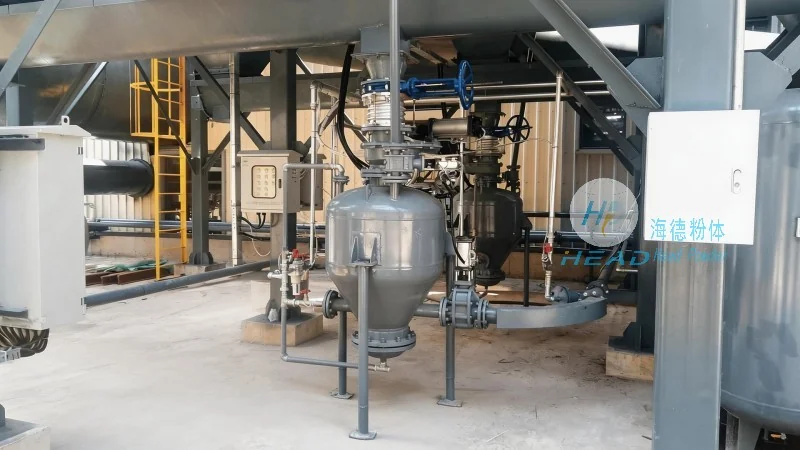
Pneumatic conveying systems utilize air or gas to transport bulk materials through a pipeline network. In the context of silicon carbide, these systems are engineered to handle abrasive and high-density materials, which require robust equipment to prevent wear and ensure long-term performance. The technology offers several advantages over traditional mechanical conveying methods, including reduced maintenance, lower energy consumption, and the ability to transport materials over long distances without the need for intermediate storage or handling.
Key Components of a Silicon Carbide Pneumatic Conveying System
A typical silicon carbide pneumatic conveying system consists of several critical components that work in tandem to achieve efficient material transport. These include the material feed hopper, which stores and feeds the silicon carbide into the system; the air supply unit, which generates the necessary airflow to move the material; the conveying line, which consists of pipes and fittings designed to withstand the abrasive nature of silicon carbide; and the discharge unit, which delivers the material to the final destination. Each component is carefully selected and configured to ensure optimal performance and durability.
Operation Process: Step-by-Step Execution
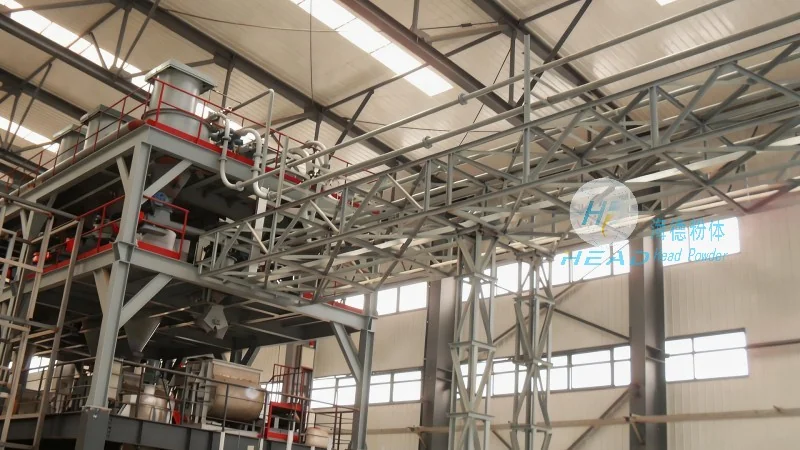
The operation of a silicon carbide pneumatic conveying system follows a systematic sequence of steps, ensuring consistent and reliable material transport. The process begins with the material being loaded into the feed hopper, where it is stored until needed. A feeder mechanism then controls the flow of silicon carbide into the conveying line, regulating the material feed rate to match the system's airflow capacity. Simultaneously, the air supply unit generates a high-pressure air stream, which is introduced into the conveying line. The air flow creates a pressure differential that propels the silicon carbide particles through the pipeline. As the material travels, it may encounter various components such as bends, valves, or expansion joints, which are designed to minimize pressure loss and maintain the material's velocity. The system continues to transport the silicon carbide until it reaches the discharge unit, where the material is released into the target container or processing equipment. Throughout the process, sensors and control systems monitor key parameters such as pressure, flow rate, and material level, allowing for real-time adjustments to maintain optimal operation.
Working Principle: How the System Transfers Material
The working principle of a silicon carbide pneumatic conveying system is based on the fundamental concept of fluidization and pneumatic transport. When air is introduced into the conveying line at a sufficient velocity, it creates a fluidized bed of silicon carbide particles, effectively suspending them in the air stream. This suspension allows the material to be transported as a dense phase or dilute phase, depending on the system design and operating conditions. In dense phase conveying, the material is transported in a high concentration, minimizing the risk of material degradation and ensuring efficient use of the conveying line. Dilute phase conveying, on the other hand, uses lower air velocities and higher line speeds, suitable for longer distances or when handling lighter materials. The system's control system adjusts the air pressure and flow rate to maintain the desired transport mode, ensuring that the silicon carbide particles remain suspended and transported smoothly without clogging or blockages.
Advantages and Applications in Industrial Settings
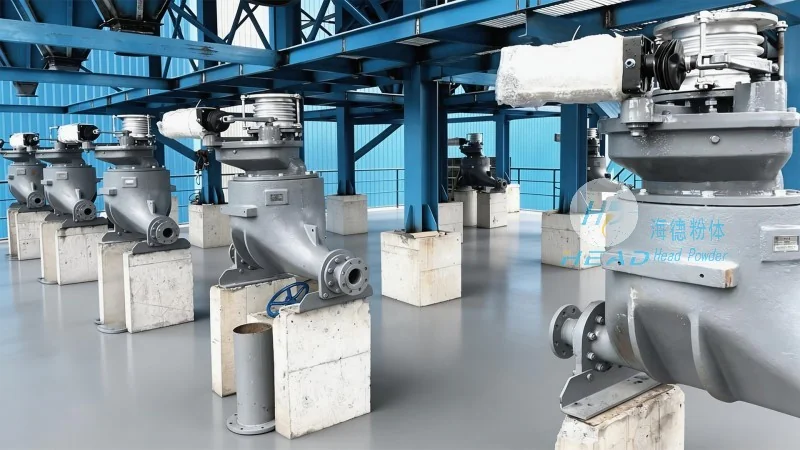
Silicon carbide pneumatic conveying systems offer numerous benefits for industrial applications, particularly in manufacturing, processing, and material handling industries. The systems provide a clean and dust-free method of transporting abrasive materials, reducing the risk of contamination and improving product quality. Additionally, the enclosed pipeline design minimizes material loss and environmental impact, making it suitable for applications where material integrity and environmental compliance are critical. The systems are widely used in the production of silicon carbide-based products, such as abrasive tools, refractory materials, and semiconductor components, where precise and efficient material transport is essential for maintaining production efficiency and product consistency.
Conclusion: Enhancing Material Handling Efficiency
Shandong HeadPowder Engineering Co., Ltd. continues to innovate and refine its pneumatic conveying systems for silicon carbide, leveraging advanced technology and engineering expertise to meet the evolving needs of industrial clients. By understanding the operation process and working principle of these systems, manufacturers can optimize their material handling processes, reduce operational costs, and improve overall productivity. The company's commitment to quality, reliability, and customer satisfaction ensures that its systems deliver long-term performance and value, making them a trusted choice for businesses seeking efficient and effective material transport solutions.