

Operation Process and Working Principle of Polypropylene Pneumatic Conveying Systems
For industrial applications involving the handling of polypropylene materials, efficient and reliable material transport is crucial. Pneumatic conveying systems offer a versatile solution for moving polypropylene from storage to processing equipment. This article explores the operation process and working principle of such systems, highlighting the key components and the systematic approach to material handling.
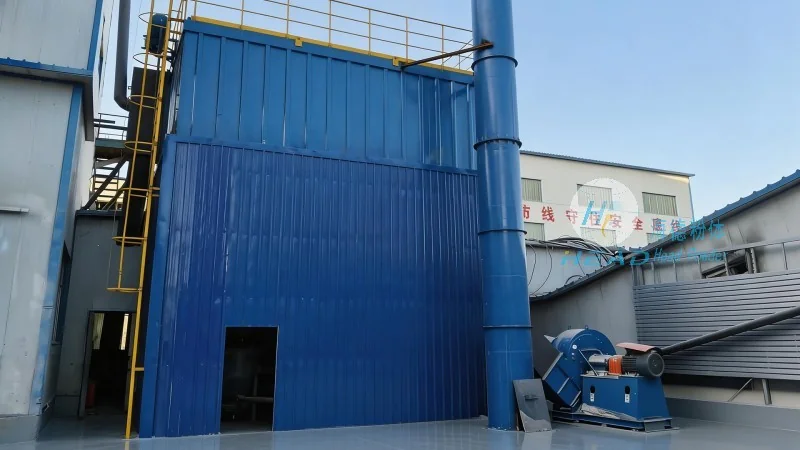
Overview of Polypropylene Pneumatic Conveying Systems
Polypropylene, a thermoplastic polymer widely used in manufacturing, often requires specialized handling due to its properties like low density and potential for static charge. Pneumatic conveying systems utilize air or gas to transport polypropylene particles through a pipeline network. The system typically includes a hopper for material storage, a feeder to control the flow rate, a conveying line, and a receiver for the material's final destination. The design of these systems must consider factors such as material characteristics, required throughput, and the distance over which the material needs to be transported.
Key Components and Their Functions
The operation of a polypropylene pneumatic conveying system relies on several critical components, each playing a specific role in the material transport process. The primary components include:
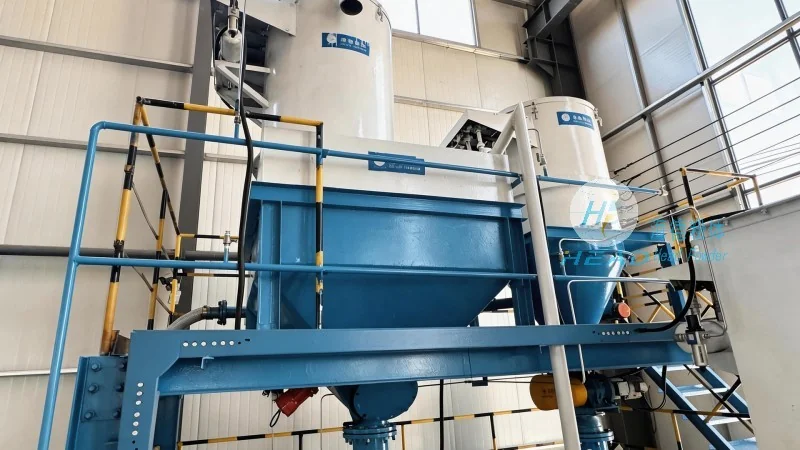
- Material Hopper: A container that stores the polypropylene pellets or granules. It is designed to maintain a consistent material level and prevent clogging, often equipped with a discharge valve or gate to regulate the material flow.
- Feeder: The device that controls the rate at which polypropylene is introduced into the conveying line. Common types include rotary valves, screw feeders, or vibratory feeders, which ensure a steady and controlled feed to avoid surges or blockages.
- Conveying Line: The pipeline through which the polypropylene is transported. It can be either a positive pressure system (where air is blown into the line to push the material) or a negative pressure system (where air is drawn out to pull the material). The choice of system depends on the material's properties and the distance of transport.
- Receiver: The container at the end of the conveying line where the polypropylene is deposited. It may include a silo or a storage bin, and is designed to accommodate the incoming material without causing spillage or contamination.
- Air Compressor or Vacuum Pump: In positive pressure systems, an air compressor provides the necessary pressure to move the material. In negative pressure systems, a vacuum pump creates the suction needed to draw the material through the line.
- Filter and Dust Collector: Essential for maintaining air quality and preventing dust contamination. These components capture any polypropylene particles that may escape the conveying line, ensuring compliance with environmental regulations and maintaining system efficiency.
Working Principle of the System
The working principle of a polypropylene pneumatic conveying system involves the creation of a flow of air or gas that propels the material particles through the pipeline. In a positive pressure system, the air compressor generates high-pressure air, which is introduced into the hopper and forces the polypropylene into the conveying line. The air and material mixture travels through the pipeline at a velocity sufficient to keep the particles suspended, preventing them from settling or sticking to the pipe walls. At the receiver end, the air is separated from the material, often through a cyclone or a bag filter, and the clean air is discharged or recirculated.
In a negative pressure system, a vacuum pump creates a low-pressure environment at the receiver, which draws the air and polypropylene particles from the hopper through the conveying line. The material is pulled along by the pressure differential, and the air is then filtered and discharged. Both systems rely on the principle of fluidization, where the air flow creates a fluid-like environment for the solid particles, allowing them to move smoothly through the pipeline.
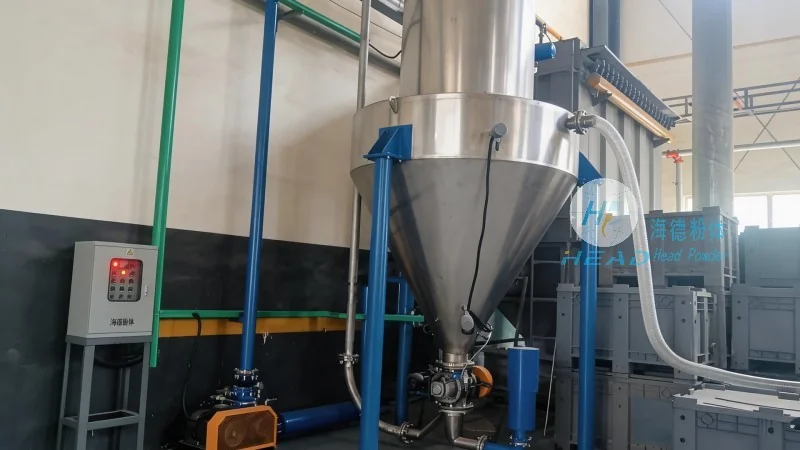
Operation Process: Step-by-Step
The operation of a polypropylene pneumatic conveying system follows a systematic process to ensure efficient and safe material transport. The steps typically include:
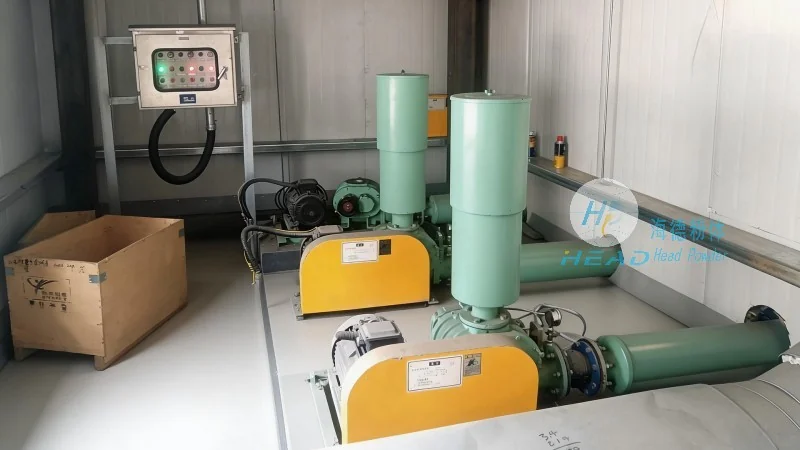
- Material Loading: Polypropylene is loaded into the hopper from a storage silo or bulk container. The hopper is equipped with a level indicator to monitor the material quantity.
- Feeder Activation: The feeder is activated to start the material flow into the conveying line. The feed rate is adjusted based on the required throughput and the system's capacity.
- Air Supply or Vacuum Activation: In a positive pressure system, the air compressor is started, and in a negative pressure system, the vacuum pump is activated. This provides the necessary pressure or suction to initiate the material transport.
- Conveying: The polypropylene particles are carried through the pipeline by the air flow. The system monitors the pressure or vacuum levels to ensure the material is moving at the desired velocity.
- Material Deposition: At the receiver, the polypropylene is deposited into the storage bin or processing equipment. The receiver may include a discharge valve to control the outflow of material.
- System Shutdown: The feeder and air supply are turned off, and the system is allowed to stabilize before maintenance or cleaning.
Benefits and Considerations
Pneumatic conveying systems for polypropylene offer several advantages, including the ability to transport materials over long distances, the reduction of material handling risks (such as dust exposure and physical contact), and the integration with automated processing lines. However, the system design must consider the material's properties, such as its tendency to generate static electricity, which may require anti-static measures like grounding or adding conductive additives. Additionally, the system's efficiency depends on proper maintenance, including regular cleaning of filters and checking for air leaks to maintain optimal pressure or vacuum levels.
Shandong HeadPowder Engineering Co., Ltd., a leading provider of material handling solutions, specializes in designing and manufacturing polypropylene pneumatic conveying systems tailored to specific industrial needs. With a focus on reliability and efficiency, the company's systems are engineered to handle polypropylene materials with precision, ensuring smooth operation and minimal downtime. The company's headquarters is located in Shandong, China, where it leverages advanced technology and expertise to deliver high-quality solutions for various industrial applications.